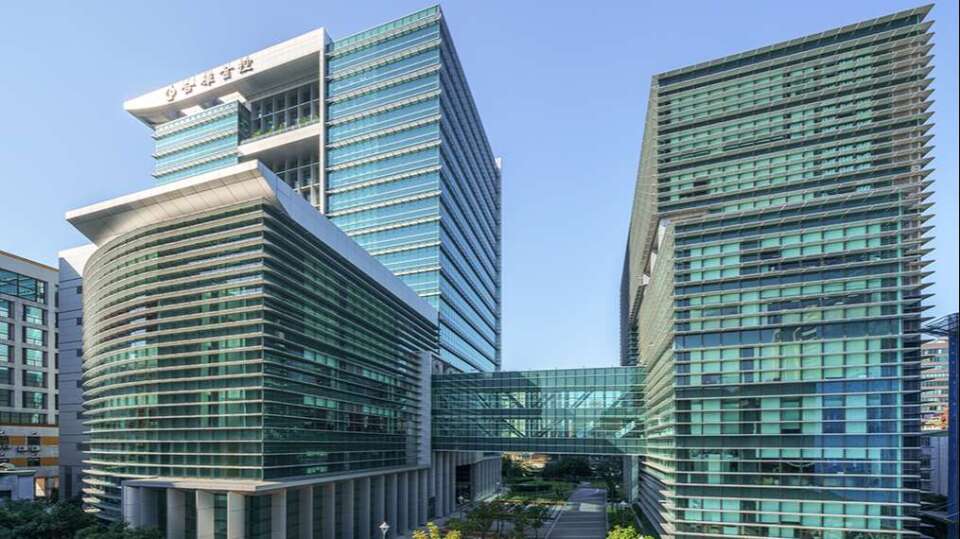
Hua Nan Financial Holding (5880-TW) held its 2026 Q2 online investor briefing today (31st), providing in-depth analysis on global and Taiwan's second-half macroeconomic outlook, U.S.-Taiwan interest rate trends, and inflation trajectory. Hsu Chien-ting, Chairman of Hua Nan Investment Trust and Chief Economist, noted that after Federal Reserve Chair Kevin Warsh signaled a firm stance on price stability at the Jackson Hole symposium, markets have reassessed the probability of a September rate hike. If core inflation in the U.S. does not significantly improve, the Fed may still raise rates by 25 basis points in September or October.
Regarding Taiwan, despite strong AI-driven demand, the one-year fixed deposit rate of approximately 1.7% compared to a projected annual CPI of 2.07% has pushed real deposit rates into negative territory. This makes the conditions for a central bank rate hike more favorable than in previous meetings. However, Hsu emphasized that a rate hike is not the only solution, and the central bank will comprehensively assess geopolitical risks, energy prices, and traditional industry momentum.
Hsu vividly stated, 'The central bank's foot is already on the rate hike accelerator.' Whether it fully presses down depends on inflation persistence. If inflation remains above 2% and core or service inflation does not cool, the case for a rate hike strengthens. But if price pressures ease, the central bank may hold rates steady and continue monitoring.
On the global front, Hsu analyzed that the world economy will face slower growth, inflation above the 2% threshold, and tighter monetary policies from major central banks. Despite downside risks from geopolitical conflicts and supply chain restructuring, rapid AI development will be the key engine supporting global economic momentum.
On the Fed's monetary policy, Hsu noted that after Warsh's firm stance at Jackson Hole, market expectations for a September rate hike have increased. With the U.S. PCE inflation still above 3%, a 25-basis-point hike in September or October remains possible if core inflation fails to improve. In response, Lu Hsueh-li, Manager of Hua Nan Bank's Finance Department, stated the bank will continue increasing holdings of high-safety floating-rate bonds to manage interest rate risk and enhance returns.
For Taiwan, strong AI demand has led the Taiwan Institute of Economic Research to revise up its 2026 GDP growth forecast, though sectoral performance will diverge. With real interest rates turning negative, Hsu assessed that the central bank's threshold for hiking rates has clearly lowered. Strong economic growth reduces policy hesitation, and tighter market funding conditions have already pushed up some lending rates, making a policy rate hike more aligned with market realities.
However, a rate hike is not inevitable. While negative real rates are a key factor, the central bank will also consider inflation persistence (e.g., energy prices due to geopolitical issues), traditional industry weakness, real estate market conditions, and global central bank policies. Currently, both rate hikes and holding steady remain reasonable options, with room for further observation.
FACT BOX
- Source: PR Times
- Category: News