U.S. equities have continued to climb after the earnings season, repeatedly hitting new highs. On the surface, this appears to be a strong bull market, but beneath this rally lies a deeply unbalanced structural issue.
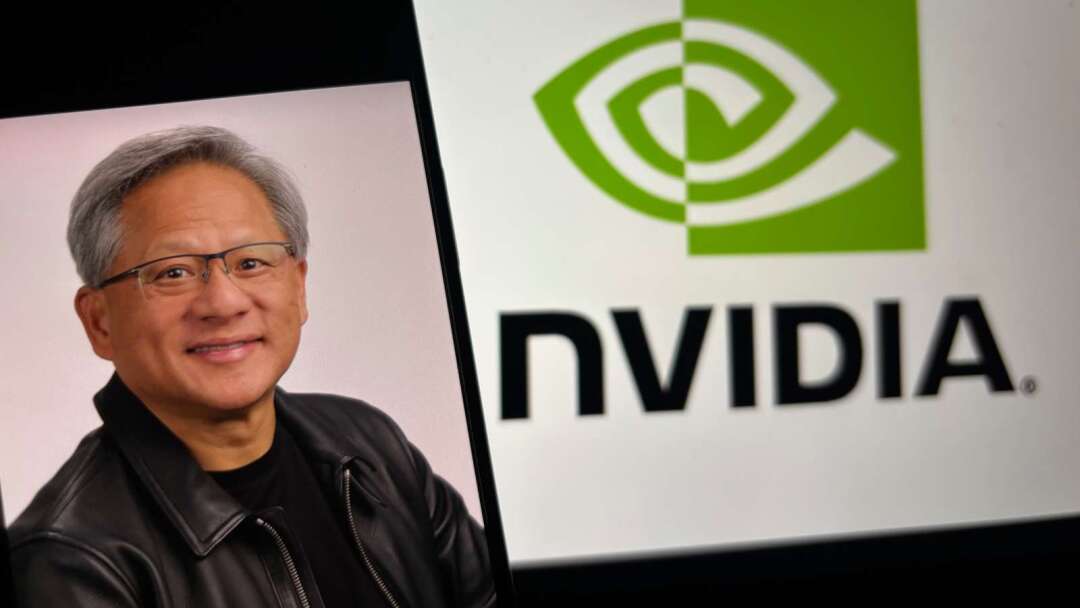
Columnist Rich Duprey points out that since the Q2 earnings season began on July 13, the S&P 500’s market capitalization has grown by $1.75 trillion, with nearly 79% of that gain coming from technology stocks. Within the tech sector, almost all of the growth has been driven by just two giants: Microsoft (MSFT-US) and Nvidia (NVDA-US).
According to Bespoke Investment Group, Microsoft and Nvidia together have added $1.42 trillion in market value since July 13. In contrast, the other 71 stocks in the tech sector have collectively lost $22.3 billion in market value. Duprey argues this is not healthy market breadth but rather an extreme concentration of performance on just two companies. In other words, excluding these two leaders, the entire tech sector would have seen a decline.
Beneath the sugar-coated narrative of record-breaking indices, many major industries are actually suffering billions in market value losses. Data shows a stark divergence in sector performance since July 13: the tech sector gained $1.392 trillion, healthcare added $345.2 billion, financials rose $192.7 billion, and energy increased $174.7 billion. Meanwhile, the communication services sector dropped by approximately $300 billion, utilities fell $88.5 billion, and industrials declined $67.3 billion.
Duprey explains that the S&P 500’s ability to rise despite heavy losses in key sectors stems from its market-cap-weighted methodology, which gives outsized influence to the largest companies. Microsoft and Nvidia are no longer just participants in the market—they are now effectively dictating its direction.
He warns that this extreme concentration creates a “false sense of security” for investors. Those focusing solely on the index may mistakenly believe the market is broadly rising, fundamentals are improving, and confidence is strong. In reality, the market faces significant risks.
Investing in an S&P 500 ETF is meant to diversify risk across 500 companies and 11 sectors. While the structure remains diverse, the portfolio’s performance now hinges heavily on just a few mega-cap stocks. If Microsoft or Nvidia fail to meet sky-high expectations, their massive weight in the index will drag down the entire benchmark—even if hundreds of smaller companies perform well.
Duprey emphasizes that the market’s reliance on these two companies to deliver flawless results leaves almost no margin for error. Any disappointment could trigger a sharp correction.
FACT BOX
- Source: PR Times
- Category: News
- Organizations: Microsoft / Nvidia / Bespoke Investment Group
- Products / services: S&P 500 ETF