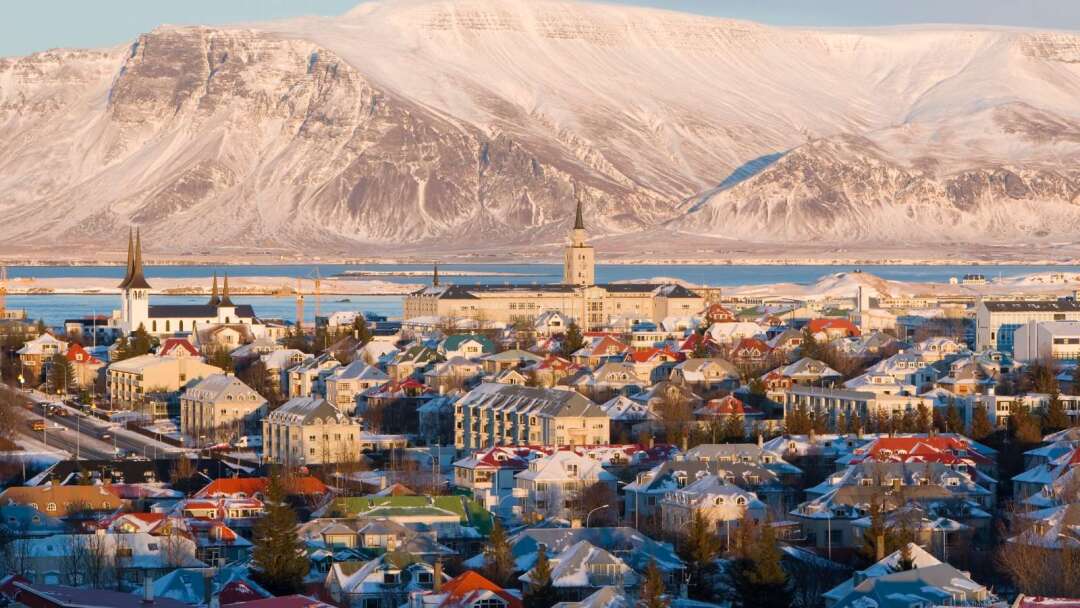
Iceland completed a crucial referendum on Sunday (30th), with 52.8% of voters opposing the resumption of EU membership talks, while 47.2% voted in favor. Voter turnout reached 82.5%, the highest since 2009.
Prime Minister Kristrún Frostadóttir immediately announced that her government would not pursue the issue during its term in office.
The referendum was brought forward amid geopolitical tensions and former U.S. President Donald Trump's threats to annex Greenland. Proponents argued that EU membership would ensure geopolitical security and economic stability. Opponents emphasized national sovereignty and expressed concerns that EU policies could undermine Iceland’s autonomy over its vital fishing industry, which still accounts for nearly 40% of the country’s goods exports. Results revealed an urban-rural divide, with only the capital, Reykjavik, showing a majority in favor.
Eirikur Bergmann, a professor at Bifröst University, noted that the opposition effectively appealed to 'national identity and fundamental emotions,' while the pro-EU side ran a 'technical campaign' that failed to explain the purpose of joining. Hulda Þórisdóttir, a professor at the University of Iceland, analyzed that the opposition succeeded by arguing that the existing European Economic Area (EEA) agreement is sufficient, and that their campaign was fueled by 'exceptionalism, self-interest, and misinformation,' with significantly greater financial resources.
Prime Minister Frostadóttir emphasized that 'EU membership is not the ultimate goal; economic stability and living standards are.' Foreign Minister Katrín Gunnarsdóttir pledged to strengthen bilateral defense relations with other nations.
For Brussels, the result represents a symbolic setback. Jacob Funk Kirkegaard, a researcher at a European think tank, called it a 'missed opportunity' for both sides, reflecting the EU’s failure to market its security role. Meanwhile, French far-right leader Marine Le Pen praised the outcome, stating it proves that 'joining the EU is not an inevitable destiny for European democratic nations.'
FACT BOX
- Source: PR Times
- Category: News