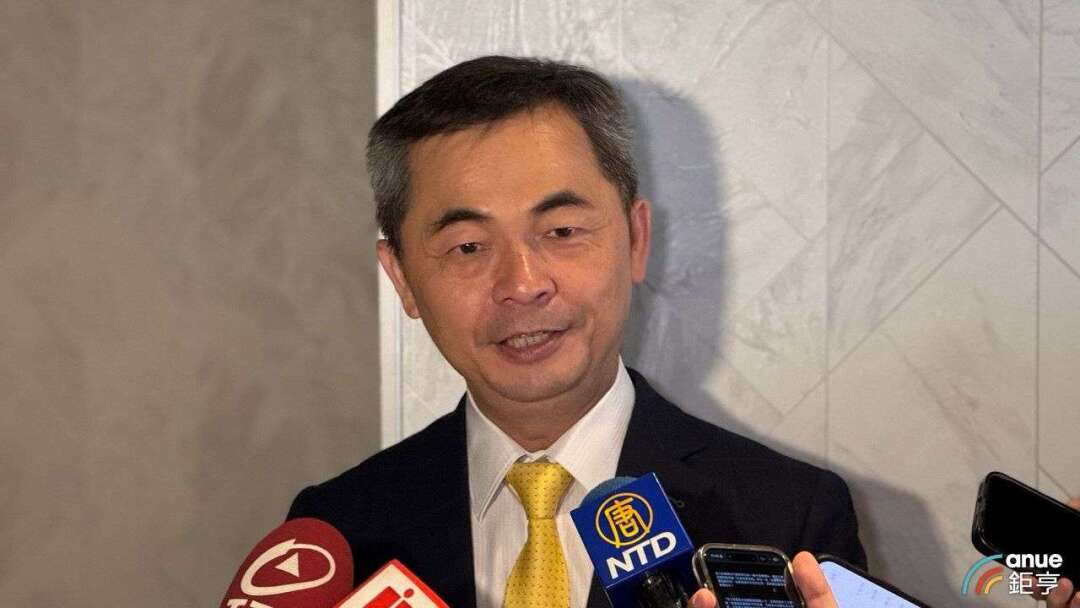
Unimicron (3037-TW), a major PCB and substrate manufacturer, has recently become embroiled in controversy over alleged country-of-origin fraud. Today (31st), it was reported that Taoyuan prosecutors conducted a second search at Unimicron's Guishan factory in Taoyuan City, further intensifying the controversy. In response, Chiu Ming-Chien, Chairman of GigaFile (3680-TW), stated bluntly that Taiwan enterprises are able to earn profits and secure key positions in the global semiconductor supply chain primarily because "the West trusts you." Attempting to falsify production origins, he added, is akin to "looking for trouble when you have nothing better to do." Companies must therefore cherish this foundation, as "trust is the core of everything."
Chiu emphasized that the most critical element in today's global supply chain is "trust." Especially amid U.S.-China rivalry and the polarization of supply chains, trust means avoiding actions that make Western clients suspect their suppliers might harm or betray their interests. Taiwan's importance in the global tech supply chain and its economic growth are highly tied to its long-established role as a trustworthy supplier. Once this cornerstone is damaged, the consequences could extend far beyond lost orders or short-term cost issues.
Chiu noted that as democratic nations restructure their supply chains, international clients will increasingly demand transparency regarding production locations, manufacturing origins, and traceability. The key difference among companies will be "how fast they adapt" and how executives proactively position their businesses.
He recalled that in past global expansions, companies often prioritized comparing land, labor, and production costs across countries. However, the world is now moving toward polarization. To gain long-term trust from major Western clients, companies should sometimes treat higher production costs in places like Japan or the U.S. as investments in securing client trust and maintaining supply chain relevance.
Therefore, GigaFile has actively advanced its "Taiwan Plus One" strategy in recent years. Chiu stated the company is establishing a manufacturing base in Japan and has already deployed CNC and other basic processing capabilities in leased facilities in the U.S., aiming to gradually build local manufacturing and service capabilities trusted by Western clients.
Chiu stressed that the U.S. push for manufacturing reshoring is not a temporary trend. Recent geopolitical tensions and wars have made nations revalue manufacturing capabilities. For the U.S. to maintain its global strategic position, it cannot outsource all manufacturing overseas. Regardless of political changes, the direction of strengthening domestic production and trusted supply chains will continue.
He urged Taiwan's manufacturers not to hesitate due to high U.S. costs. Taiwan's true value lies in its long-accumulated manufacturing expertise, engineering capabilities, and supply chain flexibility. As Western nations need these capabilities, Taiwan's enterprises should proactively expand overseas and become indispensable partners in friendly-nation supply chains.
Chiu believes that as the global semiconductor industry shifts from cost-driven to geopolitically and strategically security-driven, corporate site selection and supply chain planning can no longer focus solely on immediate production costs. "Cost is an important factor, but no longer the only one." Maintaining customer trust will become the most critical competitive threshold for Taiwan's semiconductor supply chain in the next phase.
FACT BOX
- Source: PR Times
- Category: News
- Products / services: PCB