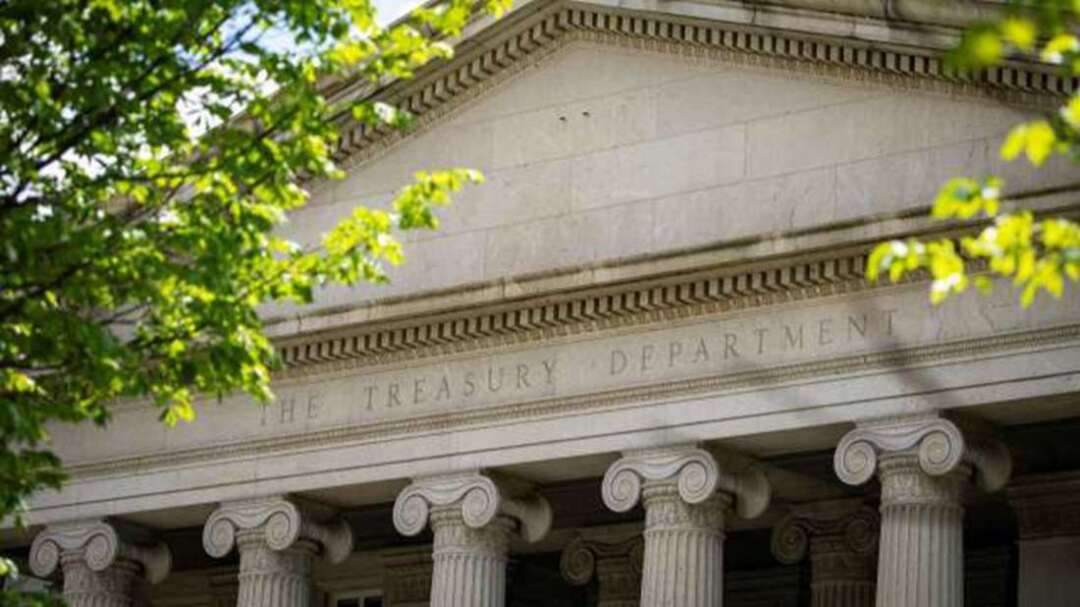
U.S. ultra-long-term government bond yields have not stayed this high for such an extended period in years. As of Monday (31st), the 30-year yield has closed above 5% for 55 trading days this year—the longest stretch since 2006. With the U.S. budget deficit, a new wave of corporate bond issuance, and the Federal Reserve (Fed) potentially serving as a key turning point, there appears to be little chance of yields declining in the coming weeks.
The 30-year U.S. Treasury yield stood at 5.27% on Tuesday, having briefly risen to 5.34% in mid-August—the highest level since 2007, just 10 basis points shy of a 22-year high.
Yields are expected to continue rising.
Despite U.S. Treasury Secretary Scott Bessent's announcement last month of an expanded program to buy back older government bonds in an effort to suppress yields, many investors remain unconvinced that yields will see a sustained reversal.
The Treasury's buyback efforts may be offset by the surge in corporate bond issuance. Market expectations suggest corporate bond issuance in September could reach $215 billion, following an all-time high in August. Moreover, few anticipate that U.S. fiscal challenges will ease in the short term.
John Briggs, Head of U.S. Rates Strategy at Natixis North America, stated that long-term bond yields will remain elevated until the deficit structure changes, bluntly describing the Treasury's bond-buying scale as "a drop in the bucket."
Meanwhile, the Fed's September meeting will test Chair Kevin Warsh's resolve to hike rates amid persistent inflation. If the central bank hesitates on rate hikes, long-term bonds are expected to face further selling pressure.
Influenced by Warsh's hawkish remarks at last week's Jackson Hole global central bank symposium, traders now anticipate a tightening of approximately 17 basis points at the Fed's September 15–16 meeting, with a rate hike probability nearing 70%. Friday's release of August employment data and the inflation report due on September 11 will further clarify the extent of rising economic pressures.
Is the 'Long-Bond Era' Coming to an End?
From the U.S. to Japan, governments worldwide are now forced to offer higher interest rates to attract investors to buy government bonds and lend money.
Long-term bonds are particularly sensitive to inflation concerns. If consumer prices accelerate but the Fed remains on hold, investors would have strong justification to avoid the already struggling 30-year Treasury.
Gregory Faranello, Head of U.S. Rates Trading and Strategy at AmeriVet Securities, said: "If you want long-term yields to come down, you have to hike rates." He expects the Fed to raise rates and favors 10-year Treasuries and shorter-duration bonds.
However, other investors are betting on further weakness in U.S. Treasuries. Options trading on Monday showed traders positioning for the 30-year yield to rise even higher, with one trade betting the yield will reach approximately 5.7% before the November 20 contract expiration.
The Special Status of the 30-Year Treasury
Adding complexity to the market is the unique role of the 30-year Treasury within the $31 trillion U.S. government bond market.
Demand for long-term bonds primarily comes from investors such as insurance companies and pension funds, institutions that need to match liabilities lasting decades. In contrast, bond managers seeking to reduce interest rate sensitivity—duration—in their portfolios typically limit exposure to long-term bonds.
Meghan Swiber and Eleanor Xiao, interest rate strategists at Bank of America (BofA), wrote on Monday: "Despite Treasury buybacks and recent policy actions, investors remain reluctant to increase duration exposure. With official sector demand shrinking, the market is increasingly reliant on price-sensitive private demand to absorb the growing supply of U.S. debt."
Wee Khoon Chong, APAC Chief Investment Strategist at BNY, also noted: "The macro environment is becoming more challenging for duration and risk assets. Hawkish monetary policy, geopolitical risks, resurgent inflation, and rising fiscal concerns are converging, continuing to push up global term premiums and long-term yields."
Have Long-Term Bonds Already Fallen Too Far?
Yet some investors are beginning to question how much further long-term bond prices can fall, as the 30-year Treasury yield has already risen approximately 65 basis points from its year-to-date low.
Natixis' Briggs, who was previously bearish on long-term Treasuries, said his view has now "turned more neutral" at current levels.
He stated, "The 30-year yield will likely continue to rise gradually, but in terms of term premium and real yield, it has already come a long way. It can't keep rising at this pace indefinitely."
Priya Misra, Portfolio Manager at JPMorgan Asset Management, said the Treasury's buyback program may help support long-term demand, but "the massive supply wave from AI infrastructure investment could far outweigh this support."
She added, "We may be approaching the peak of long-term yields, but given the complex interplay of current factors, uncertainty remains."
(This article is not open to partnerships.)
FACT BOX
- Source: PR Times
- Category: News
- Organizations: Natixis North America / AmeriVet Securities