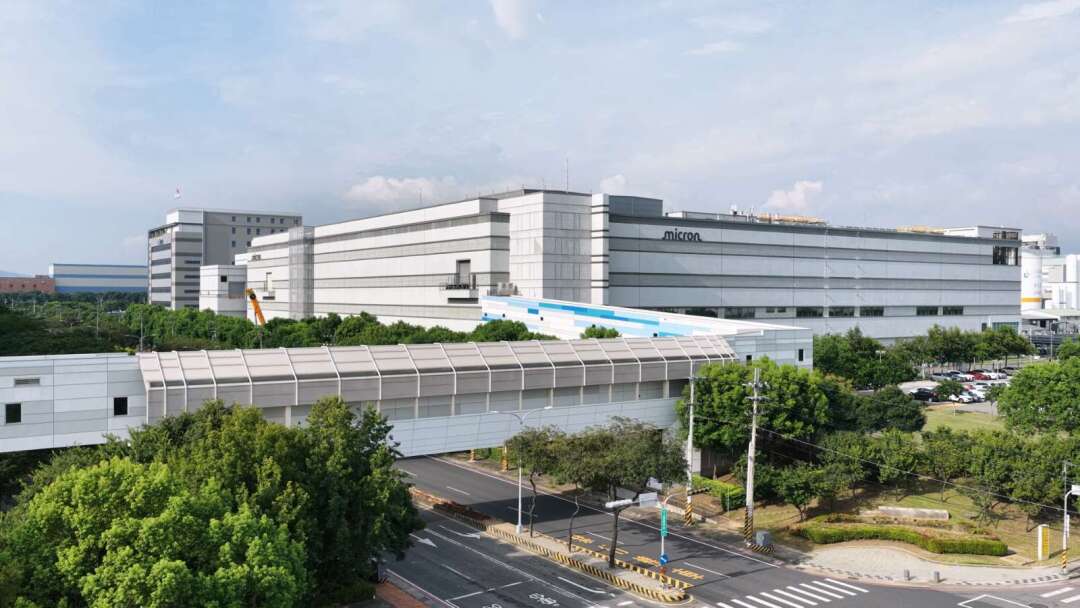
Micron's (MU-US) labor dispute in Taiwan continues to escalate. On April 4, Micron held formal mediation with the Taoyuan union, but the first round of negotiations did not reach a consensus. A second mediation meeting is planned to continue substantive dialogue. Facing employee demands to reform bonus and profit-sharing systems, Micron has shown goodwill by reaffirming competitive compensation and performance incentives for employees. The company also announced that it will release more incentive details in the coming weeks. The market is watching whether this can further defuse potential strike risks.
Micron's recent labor dispute in Taiwan stems from the surge in demand for AI and high-bandwidth memory (HBM), which has driven the company's operations and profits to new highs. However, some Taiwanese employees believe that the bonus and dividend systems do not adequately reflect the company's profit growth and hope the company will adjust the current compensation mechanism.
The unions in Taoyuan and Taichung represent approximately 10,000 employees, accounting for about two-thirds of Micron's 15,000 employees in the two regions. In an internal survey conducted by the unions in August, more than 80% of participating members supported strike actions, rapidly escalating the labor dispute.
The unions' main demands focus on the profit-sharing system, hoping that bonuses can be more directly and transparently linked to the company's profits. In addition to proposing a one-time bonus for the 2026 fiscal year, the unions also demand that a certain percentage of operating profits be allocated to employee bonuses starting from the 2027 fiscal year and be paid quarterly, rather than the current system.
As Taiwan is a crucial global manufacturing base for Micron, especially after acquiring Powerchip Semiconductor's (6770-TW) Tongluo plant to expand production, particularly involving DRAM and advanced memory supply, the news of a strike has drawn high attention from the international market against the backdrop of already tight supply in the AI server, HBM, and memory markets.
Micron's latest statement today indicates that the company has conducted a formal mediation meeting with the Taoyuan union. Although no consensus has been reached, a second mediation meeting is planned to continue substantive dialogue. Micron also expressed gratitude to the Taoyuan City Government for its assistance during the mediation process and to all parties for their constructive communication and participation.
Micron has once again focused on employee compensation. The company stated that this year's outstanding performance comes from the dedication and contributions of team members in Taiwan and around the world. In the future, Micron will continue to listen to employees' opinions and support and reward them through competitive compensation, performance incentives, global career development opportunities, and more ways to participate in and share the company's long-term development results.
Micron had previously emphasized that it plans to pay the highest performance bonuses in company history this year, with the related IPP (Incentive Pay Plan) expected to be announced in October. Now, the company has released another message about announcing more incentive content, which is also seen as a further response to employee demands after the formal mediation procedure has begun.
However, the first mediation ultimately did not reach a consensus, meaning the strike alert has not been completely lifted. Based on the current progress, the labor and management will enter the second round of mediation. Whether Micron's proposed incentive and dividend plans can narrow the gap between the two sides will be the key to whether the event escalates further.
This Micron labor dispute is occurring at a time when the global memory industry is rapidly increasing profits. The demand for AI servers is driving the demand for DRAM and HBM, with major memory manufacturers such as Samsung, SK Hynix, and Micron all benefiting simultaneously. This has made how employees share the benefits of the AI boom gradually become a new labor issue for global memory giants. The outcome of Micron's negotiations in Taiwan may not only affect the company internally but could also become an important benchmark for the market to observe the memory industry's compensation system.
FACT BOX
- Source: PR Times
- Category: News
- Products / services: DRAM / HBM