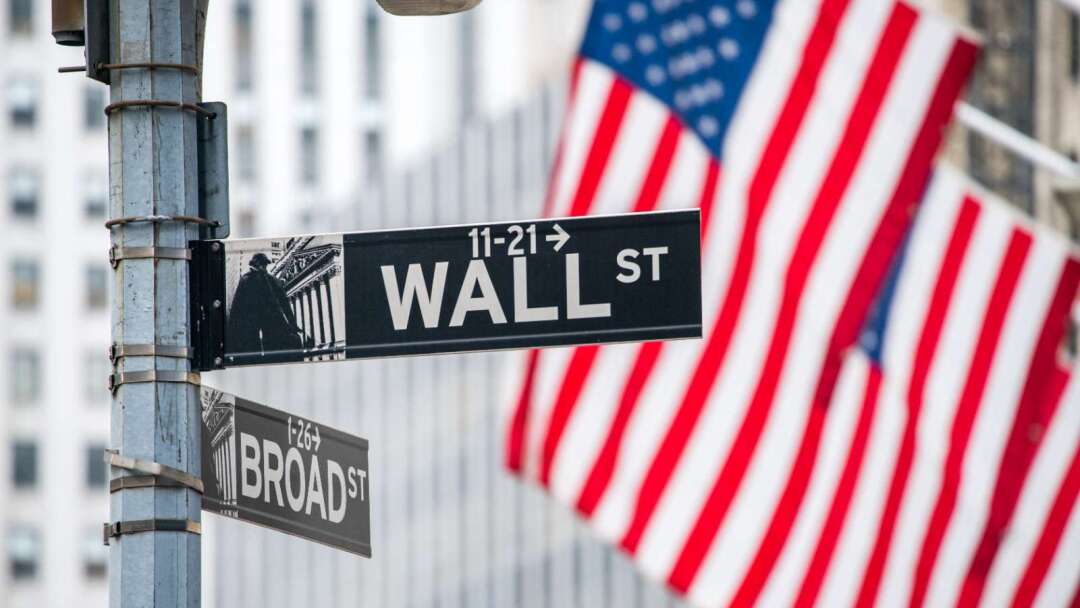
According to MarketWatch, history is repeating itself on Wall Street. The Dow Jones Industrial Average posted its worst performance in the first 10 trading days of September since 2008 on Tuesday (the 15th). The S&P 500 and Nasdaq Composite Index also recorded their weakest starts to September in the first 10 trading days since 2020.
Coincidentally, Tuesday also marked the 18th anniversary of Lehman Brothers' bankruptcy filing—a pivotal moment in the 2008 financial crisis that ushered in its most severe phase. According to FactSet data, the Dow fell 6% in September 2008, then plunged over 14% further in October of that year.
The stock market's poor performance so far this month is not surprising. September has long held the reputation as the weakest month of the year for major U.S. stock indices, and the data supports this.
On average, September is the worst-performing month for the Dow, S&P 500, Nasdaq Composite, and small-cap Russell 2000 index.
Moreover, September is the only month where all four major indexes have a negative average return.
Mark Gibbens, Chief Investment Officer at Gibbens Capital Management, said, 'Historically, September has always been a weak month, so we’re not surprised to see this happening now.'
However, it's important not to attribute this month’s market volatility solely to the calendar. Gibbens noted that, like unhappy families in Tolstoy’s famous line, every bad September has its own reasons.
This time, the main drivers are rising oil prices and bond yields, along with increasing market anxiety about AI.
With expectations that the Federal Reserve (Fed) will raise interest rates on Wednesday, the stock market could face even greater pressure.
Kevin Gordon, Managing Director of Macro Research & Strategy at the Schwab Center for Financial Research, said, 'On one hand, the labor market remains relatively resilient, so consumers continue to benefit from income growth each month… But I don’t want to underestimate the downside risks—the Fed turning more hawkish, rising long-term government bond yields, and the impact of higher gasoline prices.'
'For me, these factors combined create headwinds for risk assets—not necessarily strong enough to end this bull market, but certainly sufficient to cause greater volatility.'
September was also weak for stocks in 2020, 2021, and 2022. In September 2020, the market began to decline after a strong summer rally. Major indices had just recovered much of the ground lost during the early stages of the COVID-19 pandemic. The main reasons for the drop then included U.S.-China tensions and Congress’s failure to pass a new coronavirus relief stimulus package. In September 2021, the emergence of new COVID-19 variants and signs of weakness in the Chinese economy contributed to the market downturn—following a period of very strong gains.
In September 2022, investors were rattled by then-Fed Chair Jerome Powell’s speech at Jackson Hole, Wyoming. Powell warned that American households and businesses might endure some pain in the short term, as he pledged the Fed would continue aggressive rate hikes to curb inflation. Earlier that summer, U.S. consumer price inflation had reached a 40-year high.
FACT BOX
- Source: PR Times
- Category: News
- Organizations: Lehman Brothers / Schwab Center for Financial Research / Gibbens Capital Management