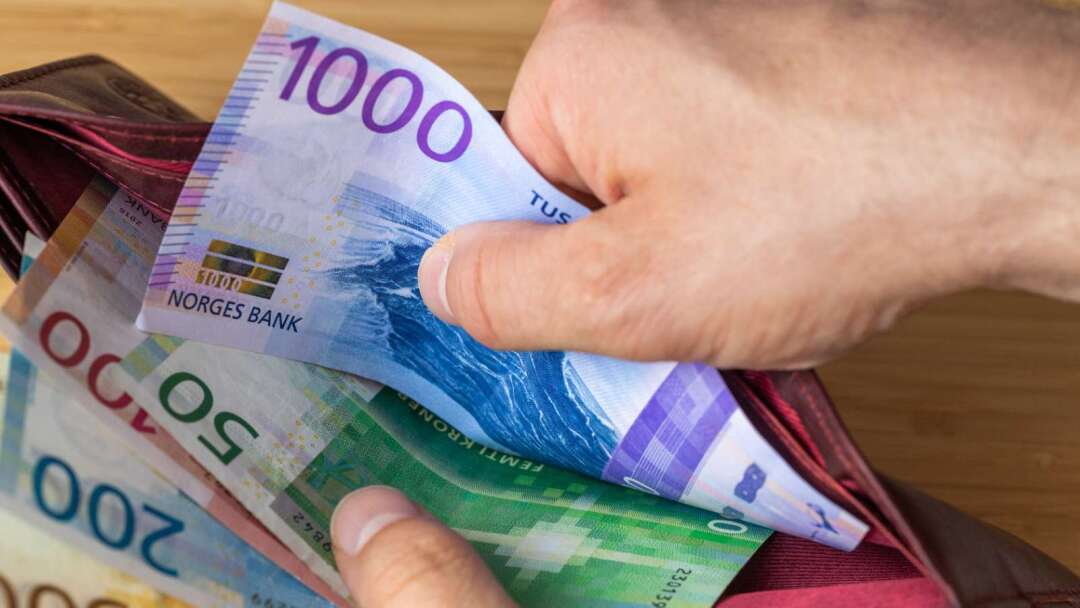
Norges Bank announced on Thursday (24th) a 25-basis-point increase in its policy rate, raising it to 4.50%. This is the second rate hike by the central bank this year, and the decision matched the expectations of the majority of economists in foreign media surveys. Earlier the same day, Sweden announced it would keep its benchmark rate unchanged at 1.75%, the lowest level among EU nations.
The Norwegian central bank stated it stands ready to raise rates further if necessary to curb rising consumer prices. Following the announcement, the Norwegian krone strengthened against both the euro and the Swedish krona.
Ida Wolden Bache, Governor of Norges Bank, said in an official statement: 'It may be necessary to maintain high interest rates for some time. The committee is prepared to raise rates further if needed, to bring inflation down to the 2% target within a reasonable timeframe.'
She added: 'Although underlying inflation slowed more than expected during the summer, the inflation outlook has not changed significantly from a longer-term perspective.'
Furthermore, the Norges Bank Monetary Policy Committee commented: 'The committee does not wish to impose excessive restrictions on the economy, but believes a somewhat tighter monetary policy stance is necessary to bring inflation back to target within a reasonable period.'
As Europe's largest energy exporter, Norway saw its core inflation rate reach 3.0% year-on-year in August—below the central bank's forecast of 3.3%, yet still persistently above the official 2% inflation target. According to a Reuters market survey, 16 out of 28 economists accurately predicted this rate hike, with most experts expecting 4.50% to be the peak of this hiking cycle.
Norges Bank projects that as the economy cools further, the unemployment rate may rise slightly above pre-pandemic levels. Inflation is expected to slow from next year onward and return to the 2% target by 2029.
FACT BOX
- Source: PR Times
- Category: News