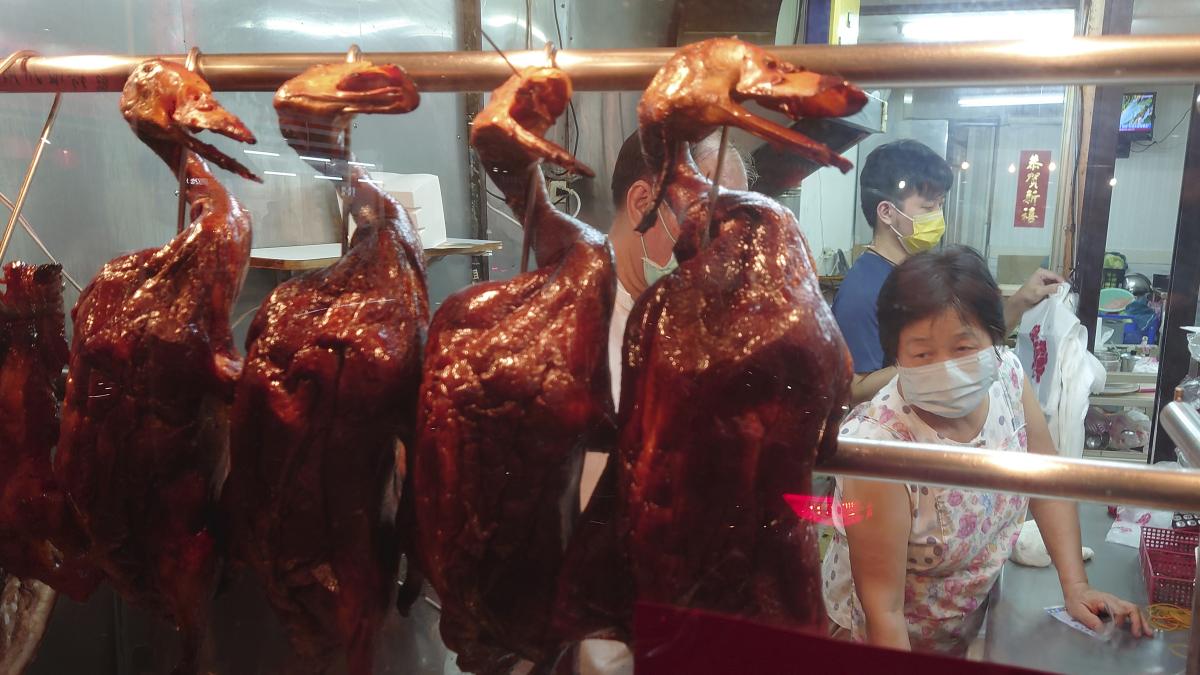
Following electric vehicles, solar panels, and green energy equipment, the trade war between the EU and China—two major economic powers—has now reached the dinner table. The latest product named in an anti-dumping investigation is the Pekin duck, used to make roast duck dishes. The EU believes China is 'dumping' low-priced meat products into the European market and has launched a comprehensive anti-dumping investigation.
According to the latest announcement in the 'Official Journal of the European Union' on the 9th, the EU has formally initiated an investigation into China's low-priced meat product exports effective immediately. The term 'Pekin duck' refers to a breed most widely raised globally in the livestock and meat processing industries, specifically used for cooking roast duck.
This 'roast duck war' originated from a joint complaint filed in May this year by several major European poultry and meat producers with the European Commission. European producers presented substantial evidence accusing the Chinese government of massive fiscal subsidies and policy interventions in China's domestic livestock market, enabling large quantities of surplus, low-cost duck meat to be dumped into the European market.
Workers in Seoul, South Korea, disinfecting a Chinese roast duck restaurant. (AP)
Cheap Chinese Meat Hurting European Farmers
The EU's official journal states that meat dumping from China has caused substantial damage to European agriculture.
'Substantive evidence provided by the complainants (European poultry producers) shows that the investigated Chinese imported products (Pekin duck), due to their significant import volume and unreasonably low pricing into the European market, have caused serious negative impacts on EU domestic industries. This has directly reduced sales volumes of EU producers, disrupted existing market pricing mechanisms, and led to malicious erosion of EU industry market share.'
The report further dissects in detail that China's duck meat production and cross-border sales are subject to inappropriate state intervention from the outset, including subsidies on land, energy, credit capital, raw agricultural inputs, and labor costs. Additionally, China's bankruptcy and property laws allow many loss-making breeding enterprises to avoid closure, enabling continued exports of ultra-low-priced meat to international markets.
On September 28, 2015, after the fifth China-EU High-Level Economic and Trade Dialogue at the Diaoyutai State Guesthouse in Beijing, a European Commission member (left) prepares to exchange documents with the Chinese delegation. (AP)
China's 2022 revised 'Livestock Law' explicitly states that the state must provide financial support for poultry (including ducks) breeding and genetic resource protection. Shandong Province, a key producer of duck meat, details in its provincial '14th Five-Year Plan' how the government should support the entire supply chain—from precise production capacity control and crop and feed structure management to warehousing, logistics, and cross-border marketing subsidies.
Given the deeper-than-expected level of official involvement in Beijing, the EU's current anti-dumping investigation will comprehensively target the entire duck meat production and export industry chain. The range of products under investigation is extensive, including fresh, chilled, and frozen whole duck meat, bone-in/boneless duck cuts, salted or smoked duck meat, and highly processed products such as 'ready-to-eat roast duck vacuum packs' and 'prepared duck meat cans'.
The European Commission has ordered all member states' customs and tax authorities to immediately implement a mandatory customs registration process for all Chinese Pekin duck products imported into Europe. If, by early 2027, the EU determines that China's dumping charges are valid, it will have the legal right to 'retroactively impose' high punitive anti-dumping duties on these registered duck products.
FACT BOX
- Source: PR Times
- Category: News