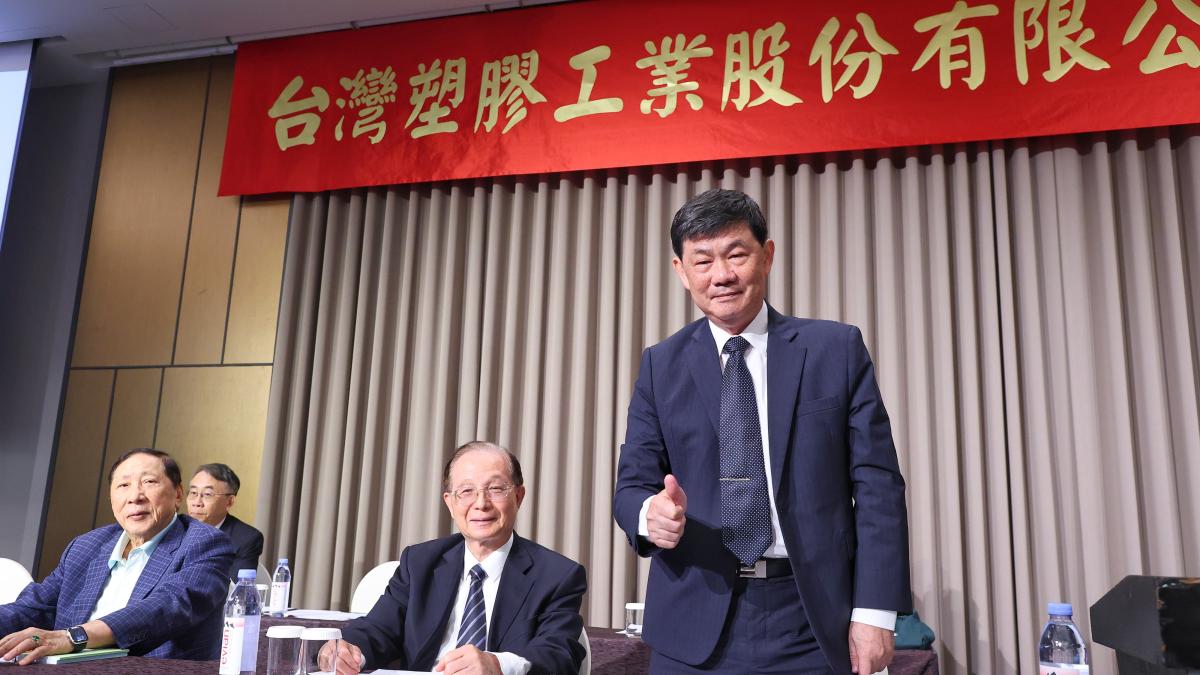
On the eve of Typhoon Bavi's arrival in Taiwan, the Formosa Plastics Group—comprising Formosa Plastics, Nan Ya Plastics, Formosa Chemicals & Fibre, and Formosa Petrochemical—released their financial results for the first half of 2026 this afternoon (9th). The four companies collectively posted a profit of nearly NT$108.5 billion, reversing last year's loss of NT$21.3 billion in the same period and an annual deficit of nearly NT$1.1 billion. This marks 12 times the annual profit from two years prior, prompting investors to exclaim, "The Formosa Four have awakened!"
In response, financial expert Yeh Yu-Shuo posted an analysis on Facebook, noting that the group's sudden surge in profitability stems from two major favorable factors. However, he emphasized that the key question is whether this rebound is due to temporary market conditions or a genuine improvement in corporate competitiveness.
Yeh pointed out that while the Formosa Four were heavily criticized last year, they have now shocked the market with a combined quarterly profit of NT$64.2 billion, with Nan Ya even setting a new historical high. The recovery from Q1 was particularly notable, catching the market's attention.
Why did the Formosa Four suddenly turn profitable? Yeh identified two key benefits: First, the U.S.-Iran conflict led to rising oil and petrochemical prices. In Q2, the Strait of Hormuz was temporarily blocked, causing rapid increases in crude oil, ethylene, and propylene prices. The Formosa Group held significant low-cost inventory, generating substantial inventory gains and boosting core business profits.
Second, new demand driven by AI. Nan Ya, in particular, has evolved beyond its traditional image as a petrochemical company. There has been an explosive rise in demand for high-end electronic materials such as AI servers, high-speed computing, ABF substrates, advanced copper-clad laminates, fiberglass cloth, and specialty resins—making Nan Ya's electronic materials division the biggest beneficiary.
However, Yeh warned that this profit surge might be short-lived. He stressed that inventory gains are one-time events, and sustainable growth depends on core competitiveness and the continuity of AI-driven demand. He likened the situation to a student who usually fails exams suddenly scoring 60—impressive on the surface, but not necessarily indicative of real improvement.
Yeh emphasized that the four companies benefited for different reasons, suggesting the recovery isn't uniform across the petrochemical industry. The real test is whether this rebound reflects lasting changes in competitiveness or just a temporary windfall.
Related Wind Media exclusives: • Which of the Formosa Four will rebound first? Three core products riding the AI wave—Hsieh Chin-Ho predicts a major shortage • Formosa Four announce cash dividends, paying NT$0.5 despite consecutive losses—investors question if they're burning capital • TSMC's 2nm process secures another major order? Reports suggest NVIDIA's next-gen CPU will adopt it—three Taiwanese firms emerge as potential winners
FACT BOX
- Source: PR Times
- Category: News