On July 1, Taiwan's Food and Drug Administration (FDA) announced that it received a notification from Zhonglian on June 30, revealing that a batch of soybean salad oil manufactured in April tested positive for benzopyrene (BaP), a Group 1 carcinogen, at levels exceeding regulatory limits. The affected batch totaled 2,600 metric tons and has impacted 360 downstream businesses, including supermarkets, restaurants, and convenience stores. The incident continues to escalate. On September 9, physician Shen Cheng-nan stated in a video on his personal YouTube channel that if the 'carcinogenic oil' incident shakes public confidence, the resulting food safety storm could influence county and city mayoral elections, echoing historical precedents.
Shen explained that the recent benzopyrene exceedance stems from raw materials—specifically Brazilian soybeans. Unlike the U.S. method of drying soybeans, Brazil uses a combustion-based roasting process, which occasionally results in trace amounts of benzopyrene, though never previously at超标 levels. Shen suggested the current超标 may be due to either higher-than-usual benzopyrene content in this batch of Brazilian soybeans or a decline in Zhonglian's ability to process benzopyrene, rather than contamination during refining, as some have speculated.
Citing past inspection data, Shen urged the government to actively investigate and disclose Zhonglian's data on the tainted oil batch, rather than imposing heavy penalties before the root cause is clarified. He added that downstream businesses did not delay reporting and that penalizing them is merely a response to public pressure, not a sign of effective governance.
Shen compared the current 'carcinogenic oil' incident to the 2014 'gutter oil scandal,' which coincided with the Sunflower Student Movement and led to the resignation of the then Minister of Health and Welfare. Although this benzopyrene incident is smaller in scale, the label 'carcinogenic oil' is more alarming than 'gutter oil' and could still shift electoral dynamics in closely contested districts, potentially reshaping the 2028 presidential election landscape.
Shen criticized Health and Welfare Minister Shih Chou-liang's stance on the removal of contaminated food products, questioning, 'Can people safely consume carcinogenic oil if it's diluted fivefold?' He also criticized President Lai Qing-te for proposing legal amendments before the root cause was identified, calling the move 'out of touch' and a tactic to buy time until public sentiment clarifies who should be held accountable.
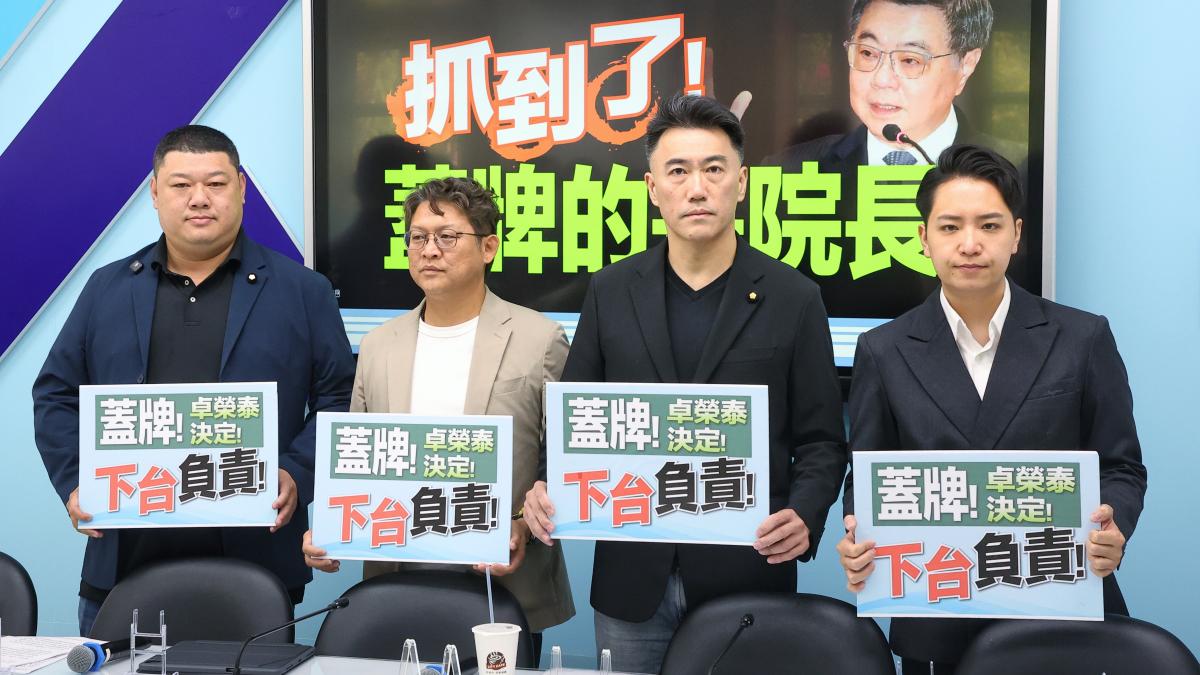
Additional reports from Wind Media include: prosecutors and police have launched investigations, with 11 defendants summoned and Zhonglian's CEO Yu Ling-chong detained on serious charges; scholars criticize the central government's crisis management as inadequate, urging depoliticization; and Premier Cho Jung-tai has announced five measures, including indefinite suspension of Zhonglian's operations, support for class-action lawsuits, and relaxed return policies.
FACT BOX
- Source: PR Times
- Category: News