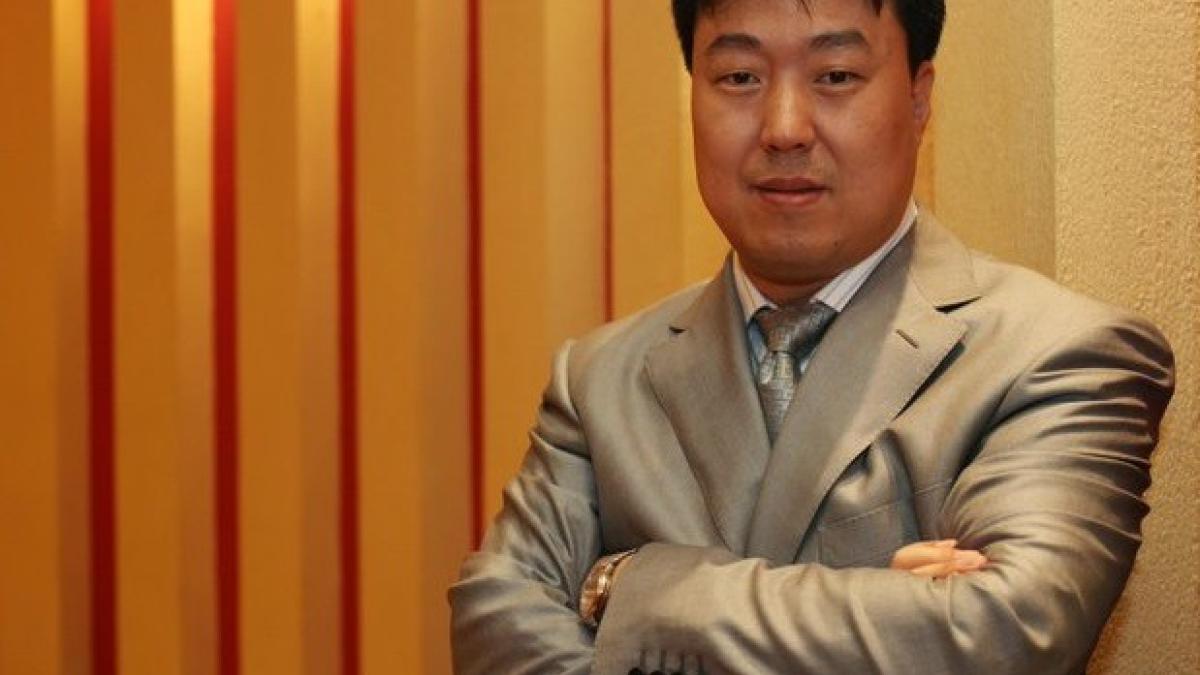
In 2019, I made a phone call to Gao Shanwen. At the time, Xi Jinping had entered his second term, and the outside world was deeply disappointed that Beijing had failed to advance state-owned enterprise (SOE) reforms. This frustration was gradually turning into a sense of alertness.
When Xi came to power, he promised that the market would play a "decisive role" in China's economy. Yet years passed, and the state-owned giants remained bloated, continued to receive subsidies, and still enjoyed absolute priority in accessing bank credit. It was mid-way through U.S. President Trump's first term, and American officials were increasingly frustrated by the unfair advantages Chinese SOEs enjoyed. I wanted to know why reform had not arrived.
Gao's answer has stayed with me ever since. He told me that state-owned enterprises are the "Communist Party's two legs." A person cannot cut off their own legs. Gao explained that this is precisely why Xi Jinping has consistently treated the state sector as the core pillar of his economic model—far from clarifying the boundary between state and private enterprises, it has only become more blurred.
This was just an offhand remark during a long conversation, yet it perfectly reflected his usual demeanor—calm and quietly confident. But in hindsight, among all the analyses of China's economic policy at the time, few had his foresight.
On July 7, Gao Shanwen passed away from T-cell lymphoma at the age of 55. Chinese media reported his illness; those close to him shared with me his more than one-year-long battle with cancer.
Gao's final moment in the spotlight came because he spoke the truth. In December 2024, at a forum hosted by the Peterson Institute for International Economics in Washington, Gao, then chief economist at Guotou Securities, publicly stated a judgment that many Chinese economists only whispered in private: China's actual GDP growth rate might be less than half of the official figure—around 2%, not the nearly 5% claimed by Beijing.
He even further questioned whether China's top leadership had the will to deliver on its repeatedly promised stimulus measures. As I reported at the time, this triggered Xi Jinping's fury. Beijing sets an annual growth target each year, usually around 5%, and year after year, the final published data almost precisely hits that target. Xi ordered an immediate investigation, which I later learned was carried out by his chief of staff, Cai Qi. Gao was subsequently banned from public speaking. A university lecture he was scheduled to give was abruptly canceled, with the official reason given as "schedule conflicts."
At the time, I did not know that Gao's health had already begun to deteriorate. Except for his closest circle, no one outside knew about it. He had mentioned to those around him that his symptoms began appearing around the same time he was punished. In the following months, he made only one public appearance—a low-key video speech at a forum at Peking University in September 2025. In November of that year, he resigned from Guotou Securities. In December, he was formally diagnosed with stage-four cancer.
I believe no one should or could establish a direct medical link between the Communist Party's punishment and his cancer. But the coincidence is heartbreaking: a man punished for upholding the truth was stripped of his right to speak publicly in the final year of his life, and his condition worsened in silence.
Nonetheless, an outpouring of tributes emerged on Chinese social media. On Xiaohongshu, a widely shared comment called Gao "a rare economist who dares to speak the truth," lamenting that "now only 'optimistic' economists remain."
To date, internet regulators have largely allowed such comments to remain. It feels like a silent statement from censors, reflecting the true views of ordinary Chinese people toward official statistics—and toward those who dare to question them.
Some in China's financial sector compare him to Zhuge Liang in their field. Zhuge Liang was a strategist from the third century whose legendary wisdom has been celebrated in Chinese folklore for over a thousand years. People trusted Gao's economic interpretations precisely because he cared more about whether his judgments were accurate than about saying comforting platitudes.
For three decades, Gao Shanwen interpreted China's economy more clearly and deeply than what official channels allowed. From the People's Bank of China to Everbright Securities, and later Guotou Securities, his research reports consistently influenced market trends in ways few economists could match. His judgment on asset price cycles was correct. His judgment on the party's "two legs" was correct. His judgment on GDP data was also correct—but he paid for it with a year of enforced silence at the end of his life.
Beijing appears to have no intention of changing its mechanism for releasing economic growth data. Since Gao was punished, the crackdown on economists whom officials denounce as "unprofessional" has not weakened but accelerated. Regulatory bodies have repeatedly warned securities firms to ensure analysts remain "optimistic." Yet Gao's old saying about the party's "two legs" still speaks louder than any propaganda directive: a government that cannot bear economic truth will never change its way of operating.
FACT BOX
- Source: PR Times
- Category: News