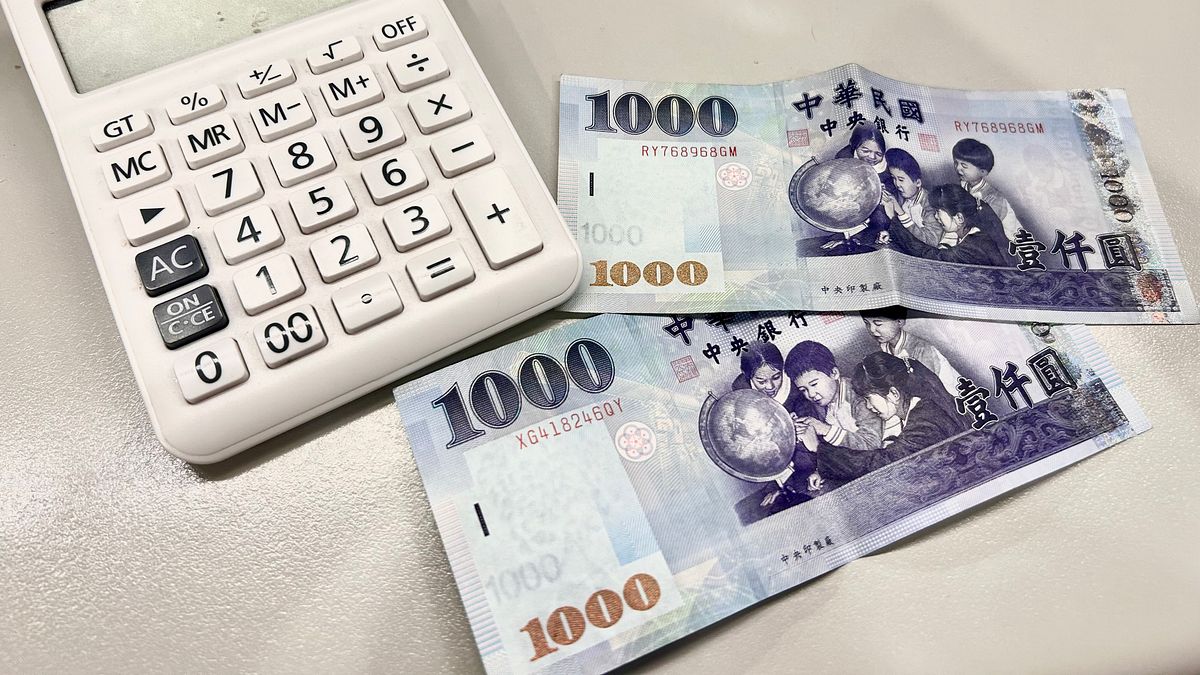
In 2026 (Minguo Year 115), Taiwan's old labor pension system achieves a historic breakthrough! The Executive Yuan approved the 'Voluntary Contribution and Early Capitalization Scheme for Pure Old-System Workers' in early July. The Ministry of Labor officially revised the 'Enforcement Rules of the Labor Pension Act,' effective July 17.
This reform breaks past restrictions, offering pure old-system workers two new options: 'voluntary pension contributions' and 'early capitalization of retirement funds by mutual agreement between employer and employee.' Experts estimate that by transferring funds into the new individual pension account, retirees could gain over NT$1.6 million due to compound interest.
Who are 'pure old-system workers'?
Currently, about 115,000 workers in Taiwan were employed before July 1, 2005, and chose to remain under the old pension system. These workers are eligible for the new reform.
Under the new rules, workers can voluntarily contribute up to 6% of their monthly salary to a personal pension account by notifying their employer during employment.
Benefits of voluntary contributions:
There are two major benefits. First, the contributed amount is fully exempt from annual salary income tax, offering tax savings. Second, funds in the account participate in the new pension fund's investment returns and are guaranteed a minimum return equivalent to the two-year fixed deposit rate, ensuring principal safety.
Early capitalization of old-system tenure: Transfer retirement funds to Labor Insurance Bureau accounts for investment
Another highlight is the 'early capitalization of retirement funds based on old-system tenure.' After the reform, eligible pure old-system workers who voluntarily contribute and meet retirement conditions under the Labor Standards Act can, by mutual agreement with their employer, settle their old-system retirement funds in advance during ongoing employment.
The Ministry strictly requires that the settled funds be fully transferred to the 'individual pension account' at the Labor Insurance Bureau to accumulate through fund investment. This scheme enhances choices for pure old-system workers without changing their status.
Therefore, employers are not required to contribute 6% under the new system for these workers. However, if the worker's old-system tenure hasn't been settled, employers must continue setting aside retirement reserves as required by the old system.
How can pure old-system workers make 'voluntary contributions'? Ministry of Labor's 2-step guide
The Ministry states that pure old-system workers can voluntarily contribute. Those meeting retirement conditions and contributing can, by mutual agreement, settle their old-system pension early and deposit it into the individual pension account to benefit from stable returns of the new pension fund.
Step 1: During employment, the worker notifies the employer of their intent to 'voluntarily contribute.' The employer applies to the Labor Insurance Bureau to open an individual pension account, allowing participation in the new fund's returns.
Step 2: Old-system workers who meet retirement conditions and contribute can, during ongoing employment, mutually agree with their employer to settle their old-system pension and transfer the full amount to the new individual pension account, amplifying compound interest effects.
Key to increasing pension: A real-case calculation for a worker with 30 years of tenure and NT$50,000 monthly salary reveals the difference under 5% return
Consider a 55-year-old manufacturing worker with 30 years of tenure (45 bases), earning NT$50,000 monthly. Their current old-system pension value is approximately NT$2.25 million.
Comparison after 10 years (age 65) under old vs. new system:
Traditional approach (no capitalization):
If the worker continues until age 65, even with a 1.44% average annual salary growth, the final old-system pension would be about NT$2.55 million.
New system approach (mutual capitalization):
If at age 55, the worker voluntarily contributes 6% (about NT$3,036 monthly) and agrees to transfer the NT$2.25 million old-system pension to the new individual account, assuming a 5% annual return, the new account would accumulate approximately NT$4.16 million by age 65.
The difference is nearly NT$1.61 million, fully leveraging the 'money makes money' compound effect of the new pension fund.
Ministry of Labor's 'Three Unchanged' principles: No impact on contracts, special leave, or employer obligations
To address concerns about labor rights and employer-employee relations, the Ministry emphasized three policy 'unchanged' principles:
1. Special leave seniority remains intact: After early capitalization, the employment contract continues. Special leave days are still calculated based on total tenure under the Labor Standards Act, starting from the date of hire.
2. Annual capitalization mechanism: After mutual settlement, new tenure accumulated during continued employment still requires the employer to pay retirement benefits upon legal termination. Both parties may also choose 'annual mutual settlement' of ongoing tenure, transferring the full amount to the Labor Insurance Bureau's individual account.
3. Shortfall in bases is compensated: If the worker hasn't reached the 45-base maximum at settlement, the employer must continue setting aside old-system reserves. Upon retirement, if there's a base shortfall, the employer must pay the difference.
Q1: Who are 'pure old-system workers'? How many people in Taiwan qualify for this July 17 reform?
A: Workers employed before July 1, 2005, who chose to 'continue under the old labor pension system' at that time or later are pure old-system workers. According to official Ministry data, about 115,000 people in Taiwan qualify.
Q2: How much can pure old-system workers contribute monthly under 'voluntary contribution'? What are the tangible benefits?
A: Workers can voluntarily contribute up to 6% of monthly salary. Benefits include tax exemption on contributed amounts and participation in the new pension fund's returns, guaranteed a minimum return equivalent to the two-year fixed deposit rate.
Q3: What does 'early capitalization of old-system tenure retirement funds' mean? What qualifications are required?
A: After voluntary contribution, if a pure old-system worker meets retirement conditions under the Labor Standards Act, they can, during ongoing employment and by mutual agreement, settle their old-system tenure retirement funds in advance and fully transfer them to the Labor Insurance Bureau's individual pension account for continued accumulation.
Q4: Does transferring old-system pension funds early to the new account really increase the amount? Can you provide an example?
A: The difference is significant. For a worker with 30 years tenure, age 55, NT$50,000 monthly salary, old-system pension is about NT$2.25 million. If left until age 65, it grows to about NT$2.55 million. But if capitalized at age 55 into the new account with monthly self-contribution of NT$3,036 and 5% annual return, the account reaches about NT$4.16 million at age 65—an increase of over NT$1.6 million.
Q5: After early capitalization, will my company's special leave seniority reset to zero? Must my employer contribute 6% under the new system?
A: No impact on special leave seniority, and no requirement for employer to contribute 6% under the new system. This scheme only allows workers to accumulate wealth via self-contributions in the new account. The employment contract continues, and special leave is still calculated from the hire date. Employers are not forced to contribute 6% after capitalization; their responsibilities remain under the old system.
FACT BOX
- Source: PR Times
- Category: News