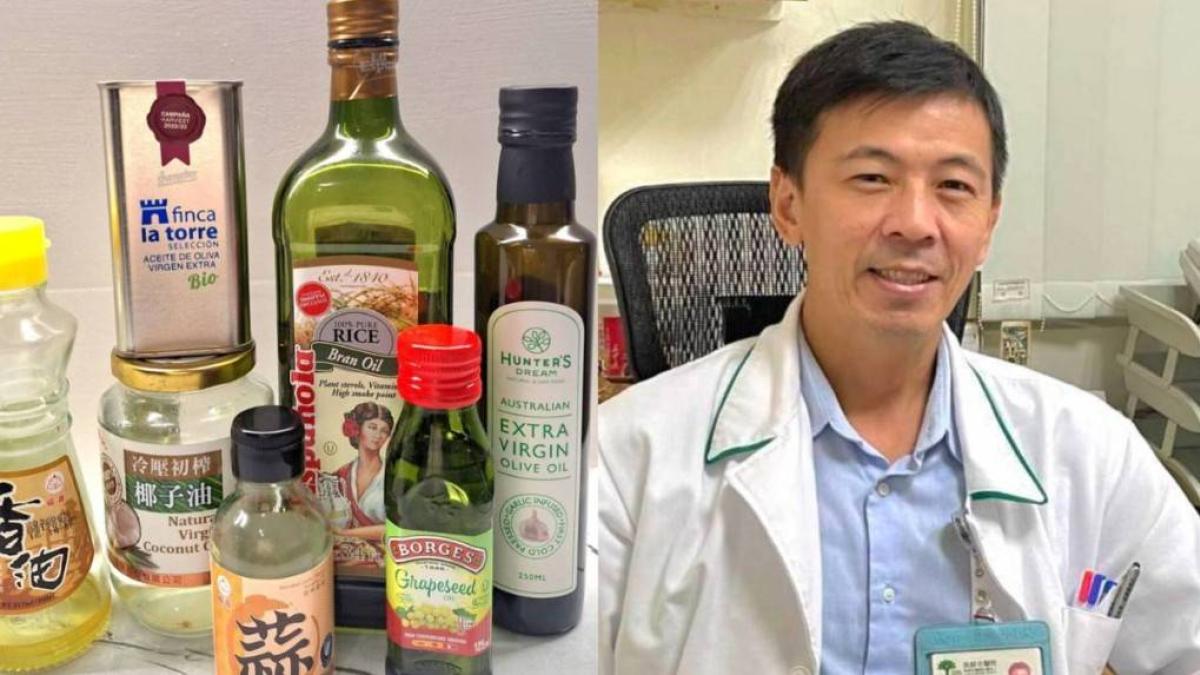
Don't Panic Over Toxic Oil! Nutritionist Huang Chiachin Shares 4 Dietary Principles for Safer Oil Selection and Avoiding White Smoke
### Expert Guidance Amid Contaminated Oil Incident
Recently, a contaminated oil incident has erupted in Taiwan, with certain soybean oils found to contain the carcinogen 'benzo(a)pyrene (BaP)' exceeding regulatory standards, sparking public concern over food safety. In response, Huang Chiachin, Chief of the Nutrition Department at Yuan General Hospital, stated that while benzo(a)pyrene is classified by the World Health Organization (WHO) as a Group 1 carcinogen, cancer risk primarily arises from long-term, high-dose exposure. For short-term accidental consumption, the public need not panic excessively and can support the body's normal metabolism through a balanced diet and healthy lifestyle habits.
### Four Principles to Enhance Antioxidant Capacity
Huang Chiachin emphasized that the human liver naturally possesses detoxification functions. For those concerned about potential exposure to contaminated oil, boosting antioxidant capacity through daily diet is effective. He recommends adhering to four key principles:
- Supplement with vitamin C-rich fruits and vegetables such as broccoli, bell peppers, guava, citrus fruits, kiwi, and apples - Consume nuts and avocados containing vitamin E to enhance antioxidant protection - Eat more high-fiber foods like cruciferous vegetables and mushrooms to promote intestinal metabolism - Drink at least 2,000 milliliters of water daily to help the body eliminate metabolic waste
### Benzo(a)pyrene Exists Beyond Contaminated Oil
Huang noted that benzo(a)pyrene is not exclusive to contaminated oils. It may also be present in secondhand smoke, vehicle exhaust, and charred portions of grilled or charcoal-cooked foods. Therefore, when consuming grilled foods outside, pairing them moderately with vitamin C-rich fruits like guava, kiwi, and citrus can help maintain a balanced diet.
### Choosing the Right Oil for Different Cooking Methods
For daily cooking, Huang recommends selecting oils based on the cooking method:
- Use extra virgin olive oil or camellia oil for cold dishes or low-temperature cooking - Opt for canola oil or brown rice oil for general stir-frying - For high-temperature frying, choose heat-resistant oils with high smoke points and avoid reusing frying oil
Additionally, he recommends the 'water stir-fry method,' which uses low oil and low temperature. This involves blanching ingredients in boiling water first, then lightly stir-frying or seasoning with a small amount of cooking oil, significantly reducing the production of high-temperature fumes.
### White Smoke Signals Danger
Huang warns that when oil begins emitting white smoke, it indicates the oil temperature has reached or exceeded its smoke point, where oils may start to degrade and produce harmful substances. He advises the public to control heat during cooking and avoid prolonged high-temperature heating or reusing cooking oil to balance both flavor and health.
FACT BOX
- Source: PR Times
- Category: News