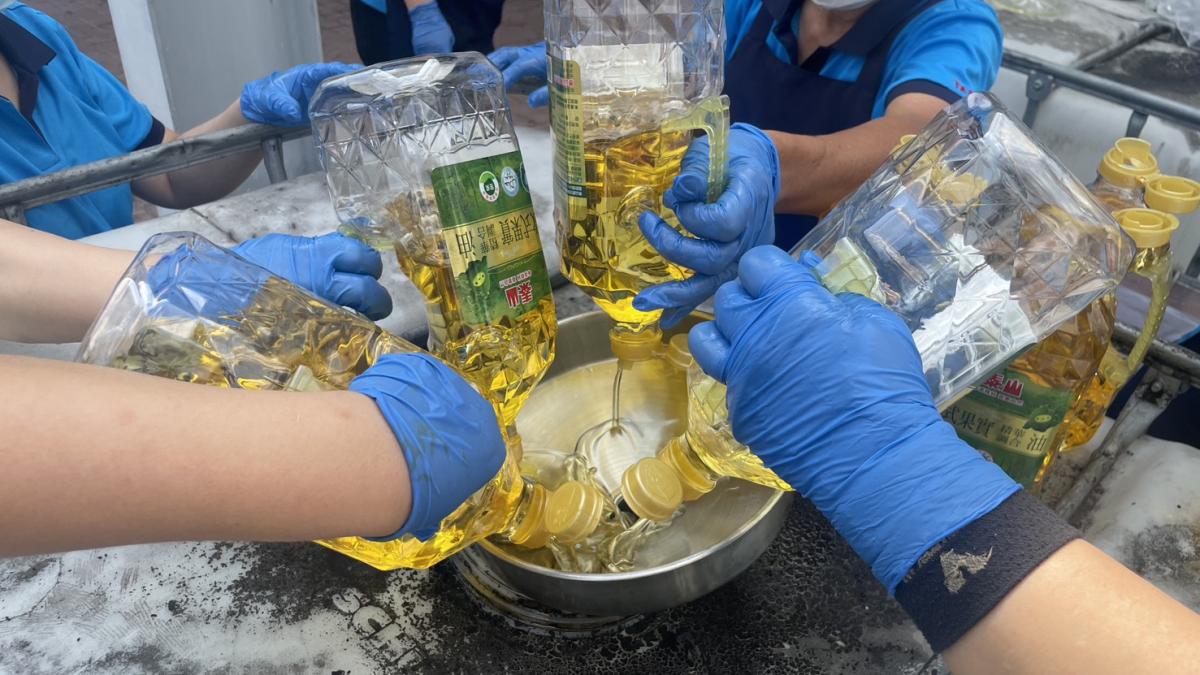
A single bottle of salad oil can reflect the true state of a nation's rule of law. It is now known that substandard cooking oil circulated in the market for nearly seven weeks. The company involved received the highest penalty in history, yet not a single page of self-criticism has been issued by the officials who failed their duties—the gap between these two outcomes is the real question this article seeks to address. As the ancients said, 'the law is like a red-hot furnace'—it should burn anyone who touches it, without favoritism. But when it becomes a system where 'officials are allowed to set fires, but citizens are forbidden to light lamps,' then the fire only scorches those who follow the rules. This is the third article in our series on the salad oil scandal, and what we are now discussing is no longer just oil, but whether punishment can equally match both corporate greed and governmental negligence.
Even worse, every time a food safety crisis erupts, the administrative agencies receive larger budgets and expanded authority. Without any accountability, this cycle effectively functions as the greatest 'incentive system'—one that inadvertently encourages regulatory agencies to neglect their duties.
FACT BOX
- Source: PR Times
- Category: News