Following last week’s three new Japanese encephalitis cases in Taoyuan and Changhua, another three cases have been reported this week in Taoyuan and Yunlin. The patients, aged between their 50s and 60s, all fell ill in early July with symptoms including fever, altered consciousness, headache, and general weakness. They were diagnosed through medical testing and hospitalization. All three patients live near high-risk locations such as pigeon lofts or pig farms.
Currently, all three remain hospitalized due to ongoing confusion. Dr. Lin Yong-qing, Director of the CDC’s Disease Prevention Office, stated that all three Japanese encephalitis patients are male. Two reside in Luzhu District, Taoyuan City—one in his 50s and the other in his 60s—neither with chronic illness history. Both developed fever and altered consciousness in July, initially visiting clinics without improvement, then sought hospital care in mid-July. Lab tests confirmed Japanese encephalitis, leading to hospitalization.
Dr. Lin noted that due to concerns about encephalitis, one patient with milder symptoms was admitted to a general ward, while the other, with more severe symptoms, was transferred from a general ward to intensive care.
The investigation revealed that the two Taoyuan patients not only had similar symptoms but also lived near pigeon lofts and pig farms—high-risk environments. However, no similar symptoms were observed among their household members.
The third case is a man in his 50s from Kouhu, Yunlin County, with a history of stroke. In early July, he exhibited unsteady gait, vomiting, and weakness. Testing confirmed Japanese encephalitis, and he remains hospitalized in intensive care.
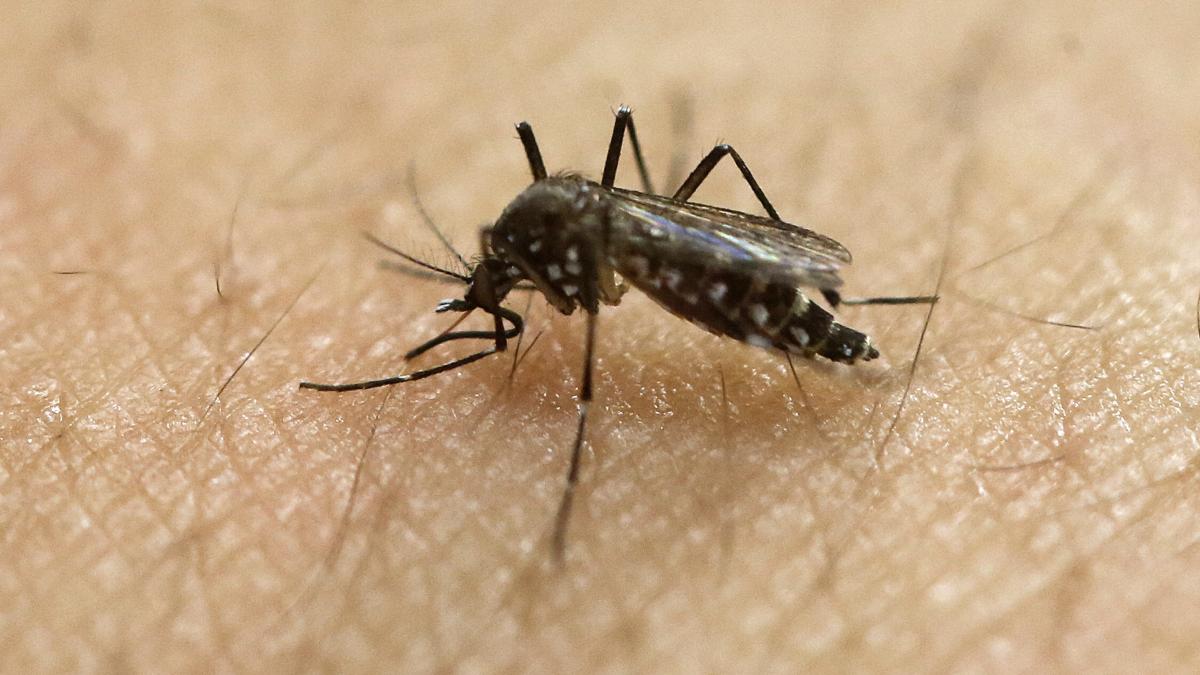
So far this year, eight domestic cases of Japanese encephalitis have been reported—fewer than the same period from 2022 to 2025. Currently, no antiviral drugs are available for Japanese encephalitis. Prevention focuses on mosquito protection: avoid outdoor activities during dawn and dusk when mosquitoes are most active. If going out is necessary, wear light-colored long sleeves and pants, and use government-approved mosquito repellents.
Infants can receive government-subsidized Japanese encephalitis vaccines, with the first dose at 15 months and the second one year later. Adults can assess their personal risk based on home or work environments and opt for self-paid vaccination if needed.
More exclusive Wind Media insights: • Three more domestic Japanese encephalitis cases confirmed—all elderly in their 70s. CDC warns: 'These locations' are mosquito breeding hotspots • Another COVID-19 surge approaching! Waning vaccine protection: CDC predicts up to 50,000 weekly infections in August • COVID-19 enters epidemic phase! Last week saw 25 new domestic severe cases and 5 deaths. CDC: Only 450,000 vaccine doses remain—get vaccinated quickly
FACT BOX
- Source: PR Times
- Category: News