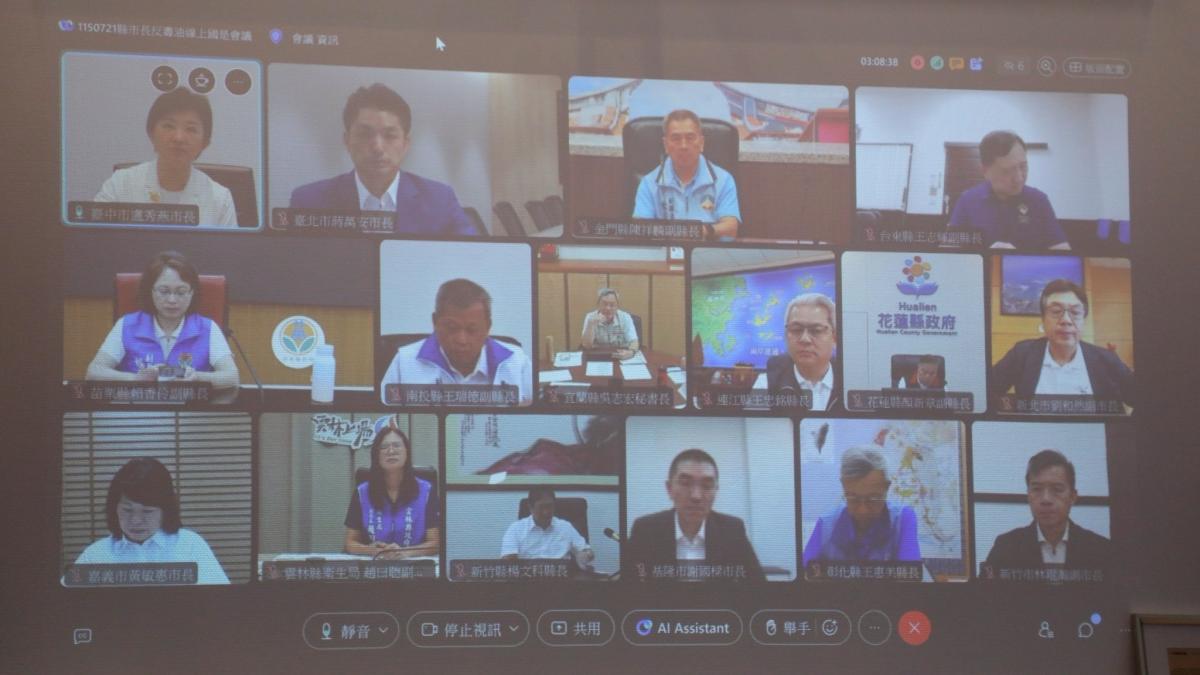
A carcinogenic oil scandal has been raging for weeks, sweeping across Taiwan and severely impacting the daily livelihoods of lower-income citizens. As cooking oil is fundamental to countless industries—from night market vendors and lunchbox shops to ordinary households—almost no one has escaped its reach. The public is gripped by fear, worried that consuming tainted oil could harm their health.
The Chung Lien Oils case has now revealed multiple batches of oil exceeding carcinogen limits. According to the latest recall progress published by the Food and Drug Administration (FDA), downstream businesses affected have surpassed 1,322, including well-known chain restaurants. Even more alarming, it has recently emerged that the company concealed over 1,000 metric tons of problematic oil produced on April 1 (Lot No. 314-1150401), failing to report it—resulting in an additional NT$3 million fine.
At this critical juncture, instead of taking decisive action to contain the crisis, the government has downplayed the issue and attempted to shift focus, hoping time will dull public memory and allow society to forget this life-threatening contamination.
What is more disheartening than the unscrupulous manufacturers is the government’s consistent arrogance and indifference. In response to widespread public anxiety and anger, Green Party politicians have repeatedly crossed moral boundaries with callous remarks. Democratic Progressive Party (DPP) spokesperson Wu Cheng said, 'Did I force you to eat it?'—casually dismissing the government’s constitutional duty to safeguard food safety. New Taipei City Councilor Lin Ping-yu went further, claiming, 'No one died from eating it,' a remark so cold-blooded it shocked the public. These statements do not merely deflect responsibility—they pour salt on victims’ wounds.
Even when Premier Cho Jung-tai finally apologized after immense public pressure, his statement lacked sincerity and evaded core issues. During legislative questioning, he shockingly blamed businesses for 'lacking integrity and harming the government,' shifting systemic failure onto private enterprises. If corporate integrity alone were sufficient for governance, why establish a Food Safety Agency? Why allocate massive budgets for oversight? Blaming unscrupulous businesses for systemic collapse is not just deflection—it is a complete display of incompetence. 'Everything is someone else’s fault' has become this administration’s defining trait.
An ideal food safety crisis response, as seen in advanced democracies, should first involve a full investigation of affected products and distribution channels, immediate public disclosure of end-product lists, swift removal of secondary processed goods from shelves, and a dedicated website providing daily updates so the public can avoid risks. Next, rapid source tracing is essential to identify where upstream products passed inspection but downstream items failed. Finally, a thorough review of existing mechanisms should lead to systemic reforms and strict accountability for negligence.
Yet the reality is starkly different. The DPP government initially chose to conceal information, only slowly recalling products—by which time the public had already consumed toxic oil for several days. Instead of addressing the crisis, the ruling authorities rushed to 'silence those who exposed the problem,' even deploying online influence armies to divert attention. The contrast between the indifference of top officials and the public’s suffering is deeply ironic.
To date, an estimated 27,000 metric tons of contaminated oil have entered the market, yet only about 100 tons have been recovered. When legislators criticized the government’s apathy, the DPP responded with 'Don’t eat chicken cutlets,' while the FDA claimed 'barbecuing poses higher risks.' Such out-of-touch remarks, reminiscent of 'Why not eat meat porridge?' from historical elitism, are deeply offensive to businesses and citizens alike.
Because establishing legal causality for chronic toxicity in food safety cases is extremely difficult, preventive administrative action by the government is crucial. When the executive branch abandons its first line of defense, it is always the most vulnerable—those with no choice but to rely on affordable, everyday street food—who suffer the most.
In the face of a government that repeatedly cycles through 'apologize, deflect, distract,' Taiwanese society must resist short-term amnesia. The government may believe that passive handling will eventually calm the storm, but the final judgment will not come from administrative memos—it will come from the massive public demonstration on July 25.
FACT BOX
- Source: PR Times
- Category: News