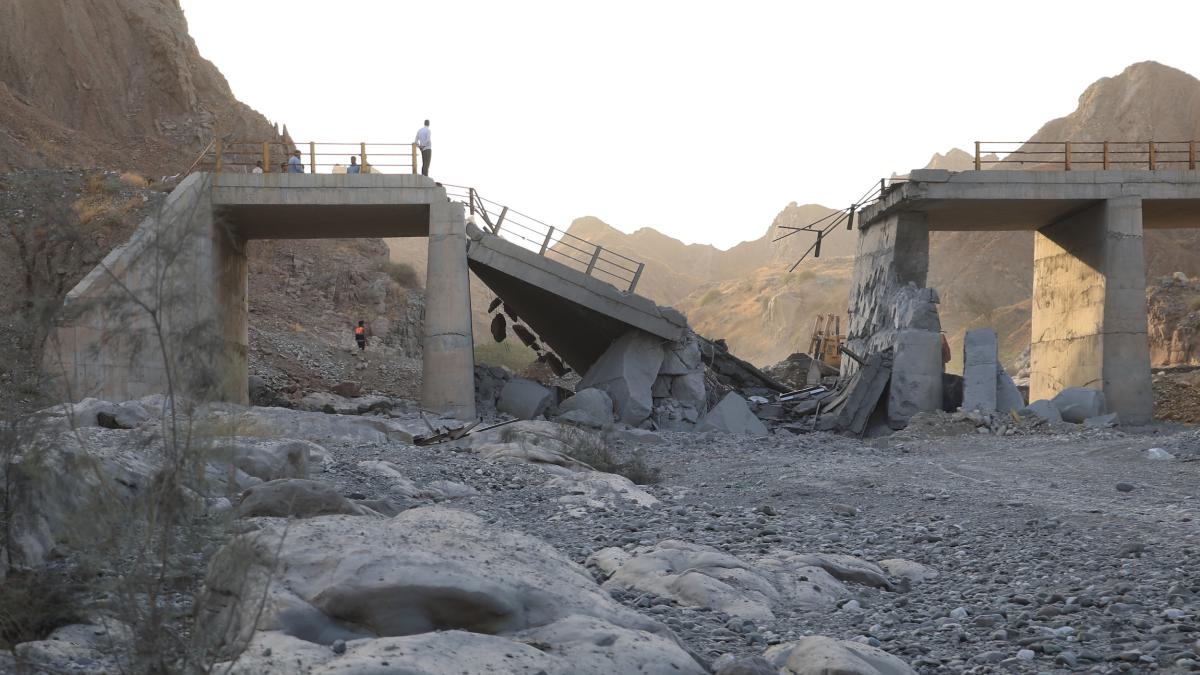
From the agreement reached in June to the resumption of war in July, the US-Iran ceasefire has not yet truly entered the deep waters of nuclear negotiations, and has been blown back to square one by the Strait crisis, even creating new risks of war escalation. First and foremost is the 'Strait of Hormuz,' which is precisely the core manifestation of the Strait stalemate: As early as when the US and Iran signed the Memorandum of Understanding on June 17, the two sides had 'each held their own words' regarding the future of the Strait. The US emphasized the thorough freedom of navigation in the Strait, while Iran claimed that it would begin charging fees 60 days later. Oman, which mediated between them, tried to 'advance indirectly,' that is, to issue a joint statement with Iran on the surface, stating that the two countries would reach an agreement on the future management of the Strait, but in private, it cooperated with the US to open a new route outside of Iran's control, intending to consolidate the established fact of free navigation in the Strait.
FACT BOX
- Source: PR Times
- Category: 國際關係