Two Pairs of Eyes: A Veteran and a Teacher
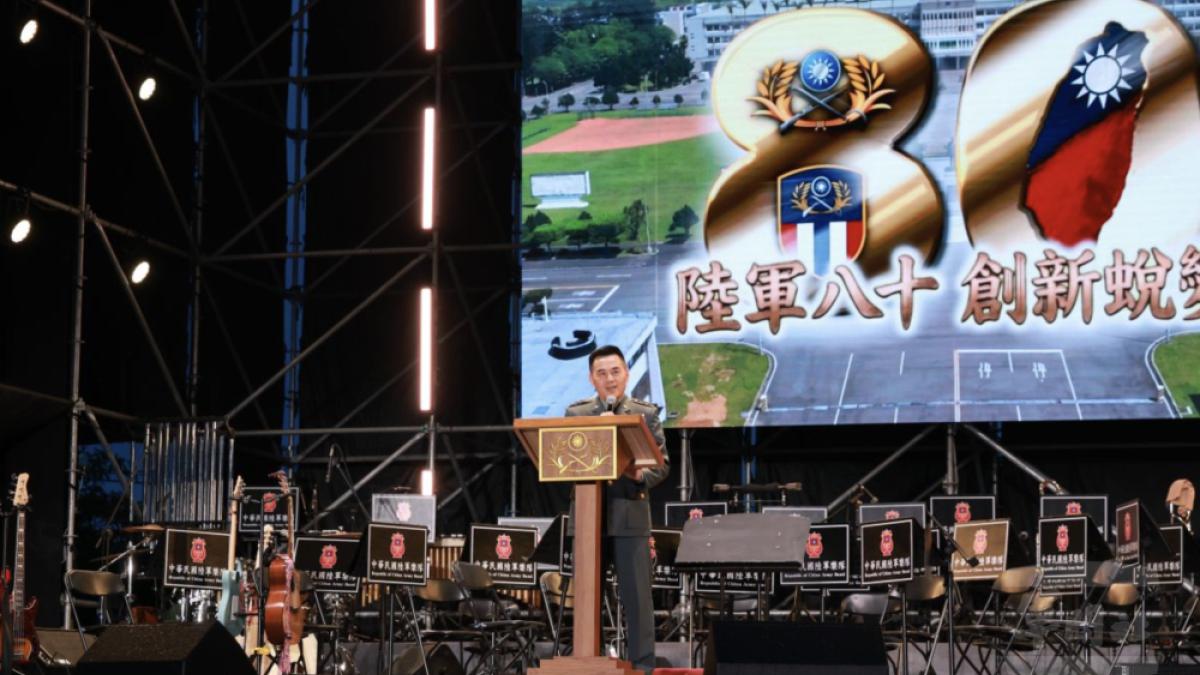
The author served as an Army reserve officer and later taught at a junior high school for over a decade. These two roles allow a deeper perspective on the recent Army anniversary concerts: from the Longtan base in Taoyuan, to Guanyin Pavilion in Penghu, and Xizhou Park in Changhua, the Army—on its 80th year—has stepped out of barracks and into communities. Some may see it as just singing and fireworks, but to me, this is serious business.
Building the Stage at the People’s Doorstep
Our image of the military has long been confined behind walls—barracks felt mysterious and distant. This time, the Army reversed that: bringing bands and drill teams to seaside fireworks festivals and rural parks, where grandparents can bring their grandchildren. Choosing locations like Penghu and Xizhou—places where soldiers are usually seen only during drills—is itself a statement: not waiting for the public to come in, but the military proactively reaching out. This is how military-civilian distance is gradually closed.
Taiwan is Small—We Share One Fate
I often tell my students: Taiwan is small. In times of crisis, no one is an outsider. That’s what “One Island, One Destiny” means. If the military and civilians remain strangers, distrustful of each other, that gap becomes fatal when unity is needed. These concerts should not be seen merely as entertainment, but as a bridge reconnecting those in uniform with those not, linking national defense with daily life. This bridge is precisely what today’s Taiwanese society lacks most—and needs most.
On Screen: The Soldiers’ Sweat
During the concerts, the Army screened documentary footage of troop training. I appreciate this move and want to defend it: yes, it’s propaganda, but propaganda isn’t a dirty word. In a democracy facing real threats, letting the public see how soldiers sweat and prepare is essential communication. It strengthens total defense and psychological resilience. It’s honest, constructive strategic messaging.
It’s also a genuine civil affairs mission—using the softest method to deliver the hardest truths about national defense.
The Hardest Job Wasn’t Dumped on the Frontline
Anyone who’s served knows civil affairs and public outreach are thankless tasks often pushed down the chain. But not this time. Army Commander General Lü attended every concert in person, hosting and standing alongside troops and locals. In Xizhou, he recalled leading drills there as a brigade commander years ago. In Penghu, where he served twice, locals greeted him by name. When senior leaders shoulder the heaviest burdens themselves, not just issuing orders from offices, that humility deserves respect.
A New-Generation Army—Our Army
The campaign theme: “Army 80, Innovation and Transformation / NEW ARMY NEW POWER.” On stage: not just hits and military songs, but videos revisiting battles like Guningtou, Yijiangshan, Dadan, and the 1958 artillery war—fought by heroes who defended the island—followed by footage of soldiers in Typhoon Morakot relief and pandemic response. The same people have always protected this island.
As a teacher, I especially care: when my students sit in the audience and see an army that remembers its roots yet embraces change, I know this isn’t just the Army’s 80th birthday—it’s our Army. The bridge is built. Now, will we walk across it together?
*Author: Junior high school teacher, former Army reserve officer
FACT BOX
- Source: PR Times
- Category: Event