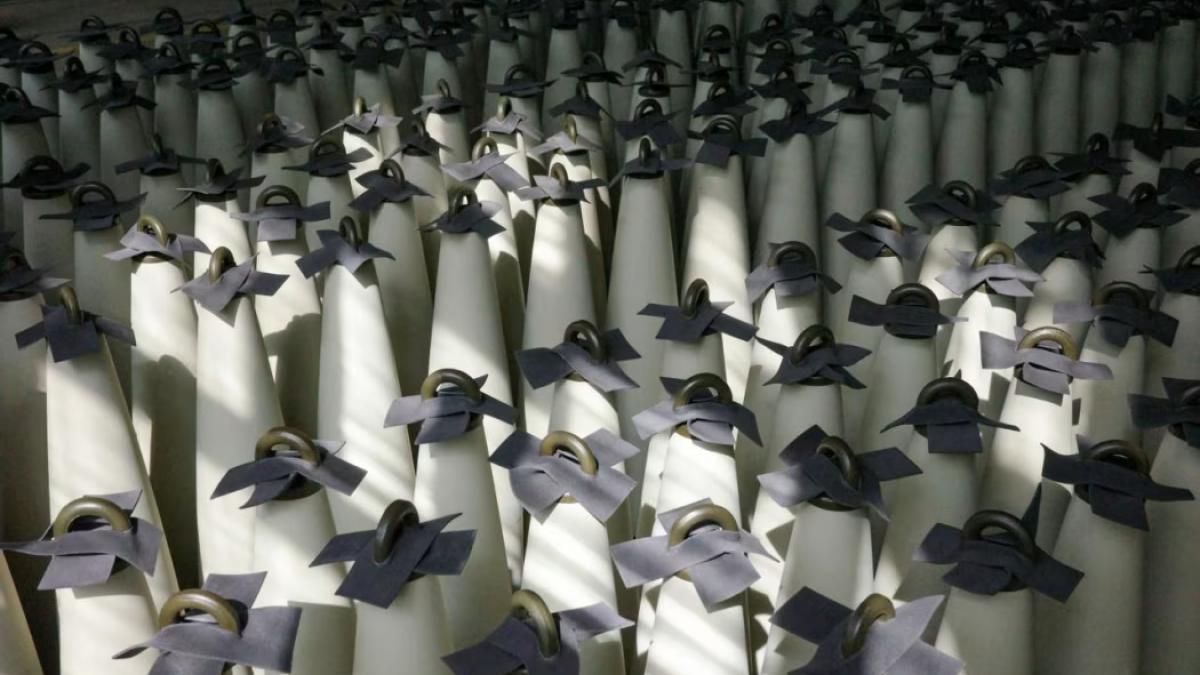
Modern warfare demands vast resources. While drones and computing power have become new standard equipment, an old and often overlooked material—'cotton'—has recently emerged as a focal point of concern for NATO.
It is commonly believed that the explosive power of weapons comes from gunpowder. However, nitrocellulose derived from cotton, also known as 'guncotton,' plays a crucial role. Recent reports indicate that NATO countries are facing shortages in guncotton supply, and China's market share in nitrocellulose production is steadily increasing.
Guncotton is a key component in propellants for artillery shells, missiles, and certain explosives. Its stability, energy density, and ease of production make it indispensable in modern munitions. With China now accounting for approximately 30% of global nitrocellulose output, its strategic influence in defense supply chains is growing.
Reliance on a single country for such a critical material poses significant national security risks, especially amid rising geopolitical tensions. NATO members are now evaluating options to diversify supply sources, including revitalizing domestic production and forming strategic partnerships with alternative suppliers.
Beyond military applications, nitrocellulose is widely used in civilian industries, including paints, printing inks, lacquers, photographic films, and even pharmaceutical excipients. This dual-use nature amplifies the economic and strategic implications of supply disruptions.
Experts warn that the strategic value of cotton-derived chemicals will continue to rise. Countries may begin treating cotton not just as an agricultural commodity but as a strategic resource, prompting new forms of resource diplomacy. Cotton-producing nations in Central Asia and Africa could gain increased geopolitical significance.
Thus, cotton—often seen merely as a textile raw material—is now positioned at the intersection of military technology, economic security, and global supply chain resilience. Its role in the arms race is likely to expand in the coming years, making it a silent but powerful player in international affairs.
FACT BOX
- Source: PR Times
- Category: News