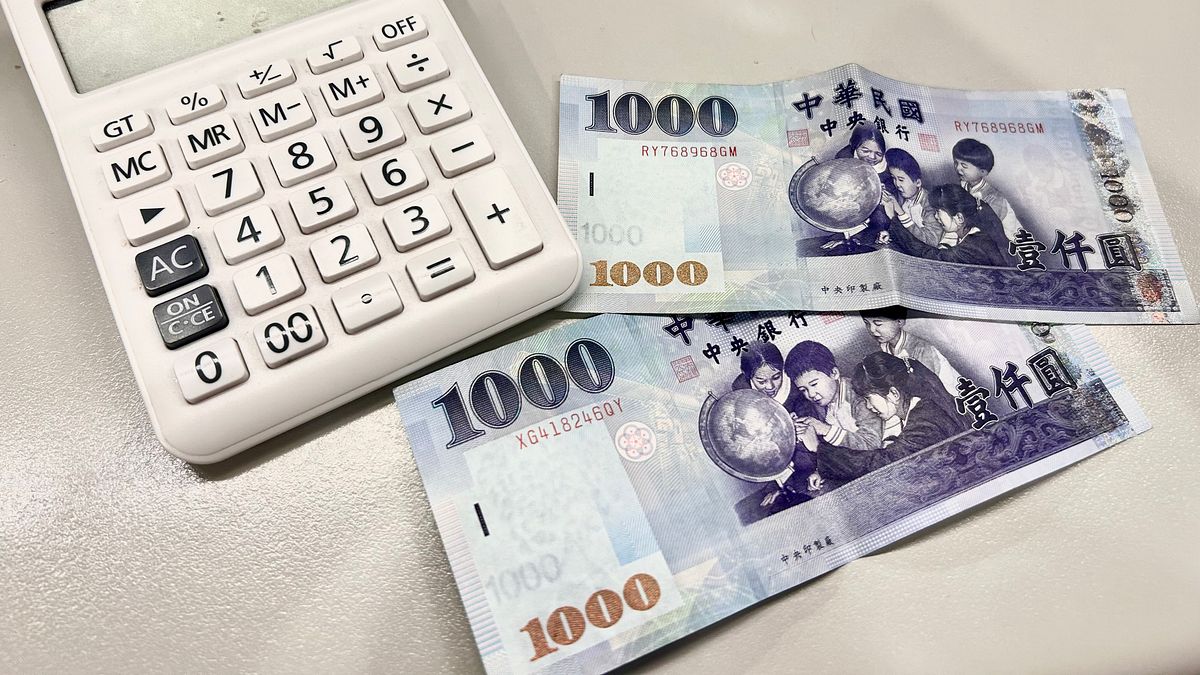
A significant adjustment has been made to the retirement pension system affecting millions of workers across Taiwan. The Ministry of Labor has revised the Enforcement Rules of the Labor Pension Act, introducing five key new systems starting this August. These reforms not only provide greater flexibility in pension withdrawals but also comprehensively strengthen workers’ rights to voluntary contributions and dedicated account protections. With the new regulations taking effect, both senior employees approaching retirement age and younger workers aiming for forced savings must understand these changes to adequately prepare for their post-work lives.
What is the difference between Labor Insurance (Laobao) and Labor Pension (Laotui)? Many office workers often confuse Labor Insurance with Labor Pension, but they are two entirely separate retirement security systems. Labor Insurance is a form of social insurance, with workers contributing 20%, employers 70%, and the government subsidizing 10%. In addition to old-age benefits, it also covers maternity, sickness, disability, and death benefits, operating under a defined benefit system.
In contrast, the Labor Pension system is a statutory obligation for employers. Employers must legally contribute at least 6% of a worker’s monthly salary to an individual dedicated account. Workers may also voluntarily contribute between 1% and 6%. This amount belongs entirely to the worker, can be transferred when changing jobs, and can be withdrawn upon reaching age 60.
What are the 5 major changes to the Labor Pension system taking effect in August? To meet practical operational needs and protect workers’ rights, the revised regulations effective in August include five key points:
First, a 30-day cooling-off period is now added for monthly pension withdrawals. Previously, workers aged 60 or older with at least 15 years of service who chose monthly payments could not change their decision once disbursement began. Under the new system, within 30 days of the first monthly pension deposit, if the amount is lower than expected or urgent funds are needed, workers may apply to switch to a lump-sum withdrawal.
Second, employers are now explicitly prohibited from refusing workers’ voluntary contributions, ensuring workers’ rights to tax-free savings and forced savings.
Third, workers previously covered only under the old system can now voluntarily contribute. Employers will assist in opening a new system dedicated account, allowing these workers to benefit from investment returns and tax advantages.
Fourth, survivor benefits are strengthened. If a deceased worker’s beneficiary is a minor, the 10-year statute of limitations for claims will now begin from the date the minor reaches adulthood.
Fifth, the protection of pension dedicated accounts is expanded. The funds in these accounts cannot be transferred, seized, offset, or used as collateral. Additionally, if an employer fails to pay retirement contributions, the new responsible person after any business transfer must bear joint liability for repayment.
How to bridge social insurance coverage during job transitions or unemployment? During career transitions, unemployment, or when switching to freelance work, maintaining continuous social insurance coverage is crucial. During periods when not enrolled in Labor Insurance, National Health Insurance plays a vital safety net role. It continues to provide basic benefits such as maternity, disability, and death benefits during transitional periods, ensuring that an individual’s insurance years are not interrupted and allowing them to continue accumulating eligibility for future old-age pensions.
How to check your personal pension balance via online and physical channels? Checking your accumulated pension balance and insurance years is simple. The most convenient method is online: prepare your Natural Person Certificate with a card reader, your NHI number and household registration number, or use a mobile Natural Person Certificate to log in to the Labor Insurance Bureau’s e-Service System. There, you can view your Labor Insurance years and your Labor Pension account’s annual returns.
For those who prefer physical operations, you can use a Labor Protection Card issued by cooperating banks such as Land Bank, Taishin, E.Sun, Fubon, or First Bank to check your balance at the issuing bank’s ATM. Alternatively, bring your ID and savings passbook to a post office to activate the service, then use your postal financial card to print transaction details at any post office ATM nationwide. For personalized assistance, you may also visit any Labor Insurance Bureau branch office in person with your original ID.
Is it better to receive your pension monthly or as a lump sum? Workers aged 60 or older with at least 15 years of contribution history face the choice between lump-sum and monthly pension withdrawals. The advantage of monthly withdrawals is maintaining a stable cash flow to manage longevity risk. Additionally, any remaining principal not yet withdrawn continues to stay in the dedicated account, participating in the Labor Fund’s investment returns, offering guaranteed earnings and inflation protection.
Lump-sum withdrawals are better suited for those with large financial needs upon retirement, such as paying off a mortgage, or for individuals with strong financial management skills who can generate returns higher than those of the Labor Fund. However, lump-sum recipients must bear investment risks themselves and should carefully assess their post-retirement financial planning.
FACT BOX
- Source: PR Times
- Category: News