On April 9, Taiwan's Executive Yuan passed a draft amendment to the Employment Services Act, requiring employers in the manufacturing and fishing industries to fully cover foreign workers' overseas recruitment fees, agency commissions, airfare, and related costs within three years.
Meanwhile, the Caregiver Employers Association submitted a proposal titled 'Reject Zero-Payment for Migrant Workers' on the Executive Yuan's Public Policy Participation Platform, gathering 5,929 public signatures. The Labor Ministry was required to respond formally by July 26 but failed to do so by the deadline, drawing strong criticism.
On July 27, the association condemned the Executive Yuan and the Labor Ministry for breaking public trust, demanding that Labor Minister Hung Shen-han take political responsibility. In response, the Labor Ministry stated, 'July 26 was a Sunday, and everyone was off work,' and promised to issue a formal response by the end of the day on the 27th.
The Caregiver Employers Association launched the proposal on April 12, 2025, titled 'Oppose the Policy That Makes Employers Pay Up to NT$190,000 for Migrant Workers to Come to Taiwan! Reject Zero-Payment for Migrant Workers, Which Shifts International Pressure onto Taiwan and Threatens Industries and Caregiving Households!'
After going through the public endorsement process, the proposal officially passed with 5,929 supporters.
The association criticized the Executive Yuan for pushing the 'zero-payment for migrant workers' policy under the pretext of aligning with ILO fair recruitment principles and international trade requirements. The policy would require manufacturing and fishing employers to gradually bear overseas recruitment fees, agency commissions, and airfare—potentially increasing costs by up to NT$190,000 per worker.
However, the government has not publicly released a comprehensive cost-benefit analysis of the policy, nor has it proposed a reasonable cost-sharing framework involving the government, employers, and sending countries. It has also failed to adequately assess the policy's real-world impact on SMEs, offshore fishing, and family caregiving.
On June 11, the Labor Ministry announced it would formally respond by July 26, but as of the deadline, no official response had been posted on the platform. The Caregiver Employers Association condemned the Executive Yuan and Labor Ministry on July 27 for betraying nearly 6,000 citizens who participated in the democratic process, accusing them of openly undermining their own participatory governance system.
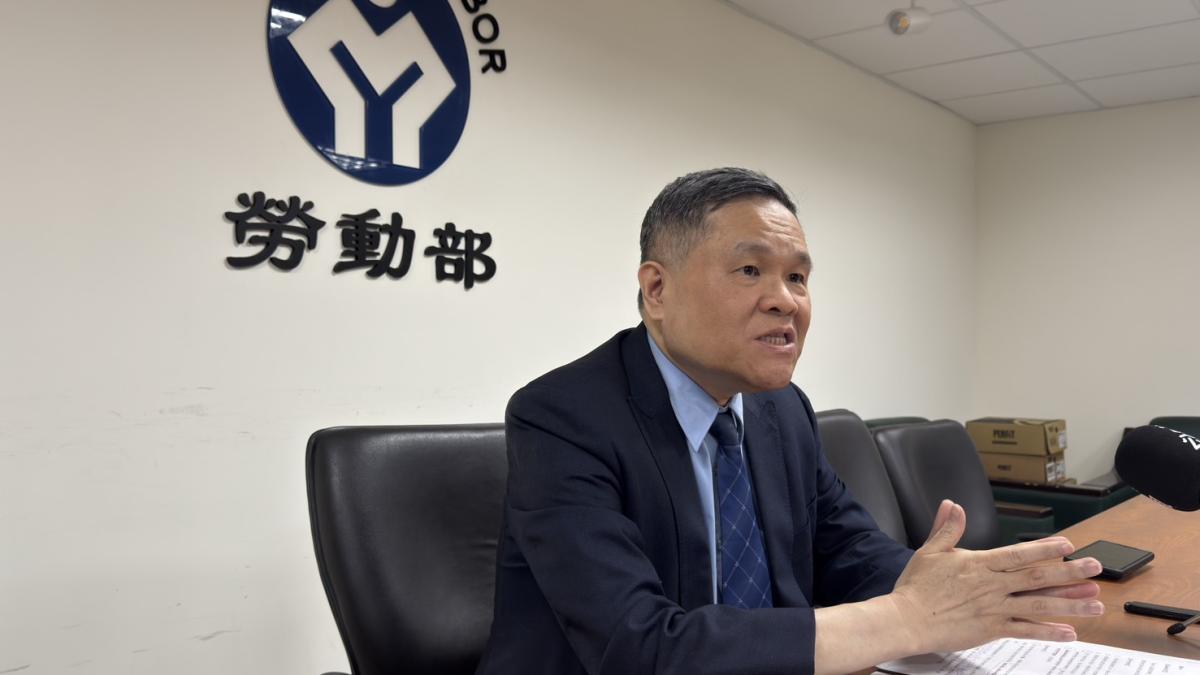
In response, Vice Minister of Labor Lee Chien-hung stated, 'July 26 was a Sunday, and everyone was off work,' and promised the ministry would post a response on its official website by the end of the day.
Lee emphasized that the Labor Ministry has held multiple discussions with employers since last year. According to the ministry, most industry representatives understand that eliminating forced labor is an international trend. Avoiding trade risks associated with forced labor is a critical issue industries must address to remain globally competitive.
Lee added that the Labor Ministry will work closely with the Ministry of Economic Affairs to develop support measures and配套 policies through consultations and on-site guidance, helping employers mitigate trade risks and economic impacts arising from forced labor concerns.
FACT BOX
- Source: PR Times
- Category: News