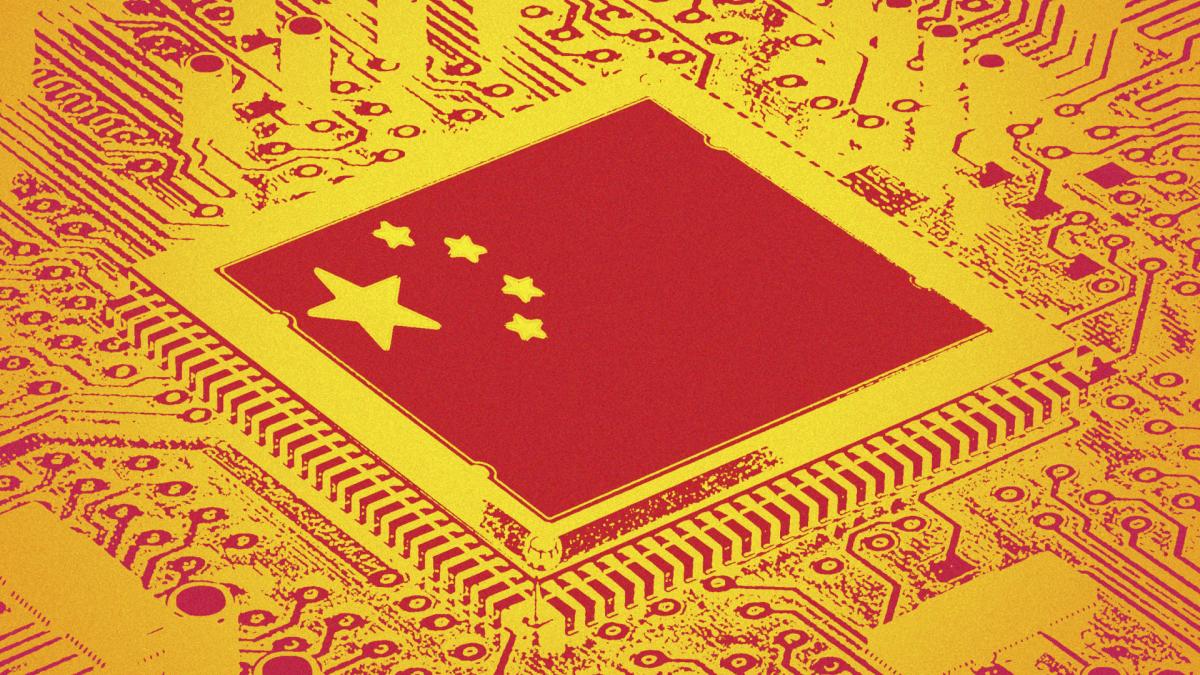
U.S.-led semiconductor export controls once dealt a heavy blow to China's ambition of becoming a technological superpower. However, approximately three years ago, Chinese Vice Premier Ding Xuexiang began leading a national-level chip development initiative. He established a dedicated committee, selecting top Chinese enterprises and laboratories to form a task force aimed at overcoming technical bottlenecks across every segment of the semiconductor supply chain.
Confronted with restrictions on advanced equipment, Chinese industry players have shifted focus to maximizing the performance of existing tools—a strategy known as 'Diaohua' (literally 'carving flowers'). This approach emphasizes extracting incremental gains from mature manufacturing technologies. In May 2024, Huawei revealed new advancements in chip design. According to Morgan Stanley data, China's reliance on foreign AI chips has dropped from around 90% in 2021 to less than 60% by 2025, with projections indicating it could fall further to 25% within the next five years.
How has China managed to accelerate its technological追赶 under Western chip restrictions? This report dives into the strategic and technical underpinnings of China's semiconductor self-reliance drive. Full analysis is available to VVIP members.
For deeper insights into global economic trends and investment markets, join the 'Hot Talk! Wall Street' LINE community and engage in high-level discussions with industry leaders. (Password: WSJWSJ)
FACT BOX
- Source: PR Times
- Category: News