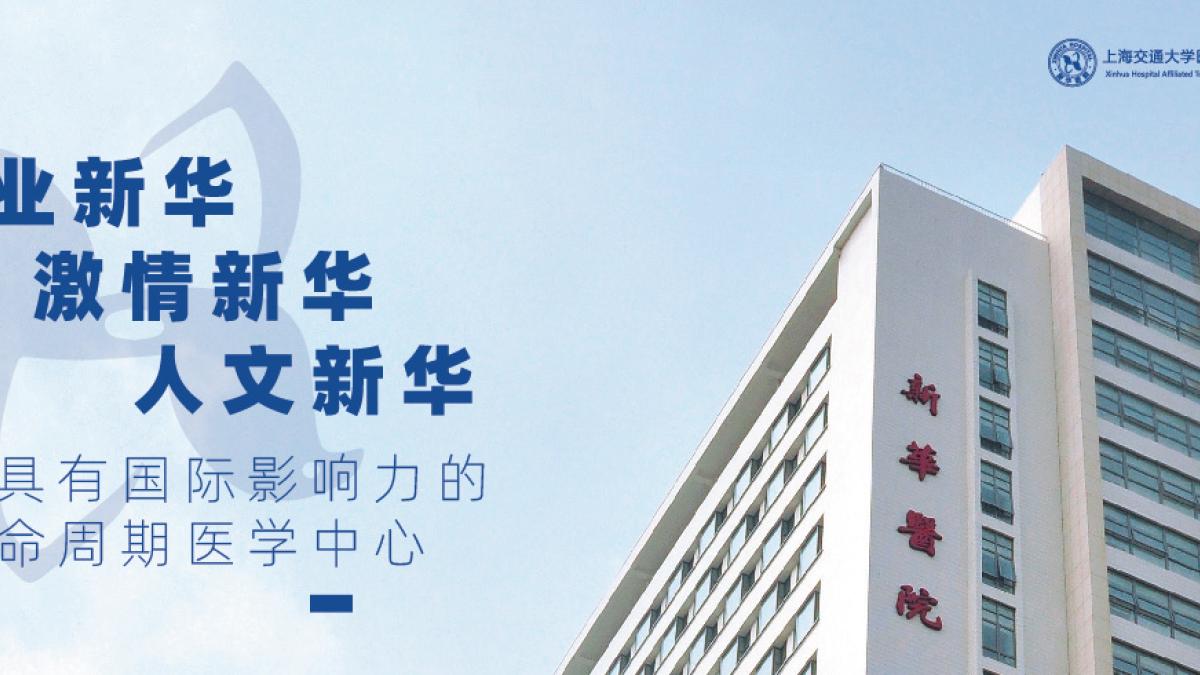
The academic journal Science and the academic integrity oversight platform Retraction Watch revealed last Thursday (July 23) that a 6-year-old girl in China died in 2025 after receiving experimental gene editing therapy. The event sparked widespread discussion due to multiple controversies, including proceeding with human trials despite serious safety warnings in the animal experiment phase, the lack of disclosure of fatal risks in the consent form signed by the family, the non-disclosure of the girl's death, the publication of related research results in another journal without mentioning the death of the subject, and the non-disclosure of the fact that the research funds were provided by the family. By Sunday (July 26), Shanghai Jiao Tong University School of Medicine issued a statement expressing high concern about the incident and announcing the establishment of a special task force for a comprehensive investigation. The next day, according to Chinese media reports, the Yangpu District Health and Health Commission of Shanghai had intervened and followed up. What happened? On March 24, 2025, a 6-year-old girl in China died within a week of receiving base editing therapy for CHD3 gene mutations at the Affiliated New Hua Hospital of Jiaotong University. According to Science, she developed thrombotic microangiopathy and severe immune reactions. Until Science magazine published this news, New Hua Hospital and the operating team had never disclosed this death. Science magazine revealed that the girl had developmental delays and fell behind her peers in kindergarten. After genetic testing, she was diagnosed with Snijders Blok-Campeau syndrome, with a single base variation in her CHD3 gene, where a base that should have been C was changed to T. Qiu Zilong, a neuroscientist at the Brain Science Research Center of Jiaotong University, was responsible for the girl's gene therapy. He is one of the many researchers worldwide dedicated to applying base editors to personalized treatment for children with rare diseases. The girl's parents trusted the research team and the hospital, so they decided to accept this experimental treatment. They later provided approximately $860,000 for this therapy. According to Science magazine, the treatment method involved injecting a large number of viral particles into the spinal cavity, hoping that the virus would reach the neurons in the brain and repair the single pathogenic base, aiming to restore the function of the CHD3 protein. However, a few days after the injection, the girl developed symptoms such as fever, decreased urine output, and a sudden drop in platelets, and was transferred to the ICU. She died approximately a week after the injection. The hospital determined that this death was related to the treatment, with the main pathological mechanism being "thrombotic microangiopathy/immune reaction," which could be a serious inflammation or thrombotic complication triggered by the viral vector or related immune stimulation. Why did this cause controversy? The investigation by Science and Retraction Watch found that, in addition to the girl's death itself, this incident involved multiple controversies in scientific research ethics and regulation. 1. Human trials conducted despite safety warnings According to data obtained by Science magazine, when the research team tested the same therapy on monkeys, some animals showed moderate to severe liver damage, and some monkeys showed signs of kidney damage. However, these toxicology research results were not submitted to the hospital ethics committee for review. Multiple gene therapy experts believe that these safety signals should have prompted the research to be paused, the dosage reduced, or further verification, rather than directly proceeding with human trials. 2. Whether the family was fully informed and consented Science pointed out that although the girl's family signed the informed consent form, the document did not clearly state the risk of death from the treatment. Multiple bioethicists believe that this is the first time a base editing human trial has been conducted on the brain globally. In addition to potential benefits, both known and unknown risks should be fully disclosed to the family to enable them to make an informed decision. 3. The girl's death was not made public The girl died about a week after receiving the treatment in 2025, but the incident was never disclosed to the public until Science and Retraction Watch conducted an investigation. The report quoted experts as saying that such a major safety incident should be disclosed to the scientific community as early as possible, allowing other teams conducting similar research to obtain relevant information and avoid repeating the same mistakes. 4. Nature paper did not mention human trials The research team published related animal research in Nature in February 2026, but the paper did not mention that human trials had been conducted or disclose that the subject had died. The girl's family had already complained to Shanghai Jiao Tong University School of Medicine in February 2026, demanding an investigation into the incident and requesting the withdrawal of the paper published by the research team in Nature. Science's report quoted Nature's response as saying that the editorial department was unaware of the death at the time of peer review, and if they had known the relevant data, it would have been considered in the editorial and peer review process. Some of the experts interviewed believed that this might involve whether the paper fully disclosed important information. 5. Whether research funding arrangements were fully disclosed Science reported that the girl's family provided more than $860,000 in funding for the development of this personalized therapy, but the funding arrangements were not disclosed in the Nature paper. Some scholars believe that this involves whether conflicts of interest were fully disclosed. 6. Whether the regulatory system is sufficient to address high-risk research The report pointed out that this research was an investigator-initiated clinical study, which did not need to be approved by the Chinese national drug regulatory authorities according to the new drug clinical trial procedure, but was mainly reviewed by the hospital ethics committee. Science quoted experts as questioning whether the current regulatory system is sufficient to ensure the safety of subjects for the first global, extremely high-risk human gene editing therapy. 7. Should non-fatal diseases bear such high risks The girl had a rare Snijders Blok-Campeau syndrome, which affects intelligence and neural development but is generally not a fatal disease. Science quoted multiple experts as saying that, in the absence of sufficient safety data, allowing children with non-fatal diseases to undergo the world's first human gene editing trial raises major ethical controversies in medicine. Who is responsible for the incident? Science interviewed multiple experts in genetics, virology, and bioethics, who believed that the research team downplayed the risks of the trial, ignored the safety warnings that had already appeared in animal research, and still proceeded with human trials despite limited chances of success. The report quoted the opinion of Steven Gray, a gene therapy researcher at the University of Texas Southwestern Medical Center: "This trial should not have been conducted in the first place." The report pointed out that as early as September 2025, the Yangpu District Health and Health Commission of Shanghai had imposed an administrative penalty on the hospital for failing to file the relevant research as required and failing to fulfill its supervisory responsibilities, with a fine of 240,000 yuan. However, the report stated that, according to official documents and materials provided by the girl's parents, the hospital allowed Qiu Zilong to conduct experimental treatment based on a regulation that did not require approval from the national regulatory authorities, and the research leader Qiu Zilong did not receive any public punishment. Three days after the investigation was released, on July 26, Shanghai Jiao Tong University School of Medicine issued a statement expressing high concern about the incident, announcing the establishment of a special task force for a comprehensive investigation, and emphasizing "firmly opposing violations of scientific research ethics and conducting medical scientific research in violation of regulations," and will deal with the matter seriously according to the investigation results. The next day, the Chinese media Xinhuanghe quoted the Yangpu District Health and Health Commission of Shanghai as saying that the relevant departments had intervened and followed up. Online public opinion reaction On Chinese social media platforms Weibo and Douyin, many netizens discussed "why dare to conduct gene editing on humans." Some netizens pointed out why the experiment, which had shown risks in four primates, was still carried out on humans and even charged the family. A Weibo post received more than 6,000 likes: "The toxicology report already showed obvious liver damage risks, but still continued to deceive parents, these inhuman madmen." Another post with 15,000 likes said: "Spending other people's money, using people for experiments, and finally reaping both fame and fortune, is that what it means?" In addition, some netizens were dissatisfied that the incident was not disclosed, "If it were not for a big magazine like Science to disclose it, would such an incident be handled after it happened? How many other unreported cases are there?" He Jiankui incident This incident also drew attention again to China's recent regulation of gene editing technology and the 2018 global sensation of the "gene-edited baby" incident. In 2018, Chinese scientist He Jiankui announced the birth of twin girls edited through gene editing, sparking widespread controversy in the global scientific community and Chinese society. The Chinese authorities later severely criticized the incident, and He Jiankui was sentenced to three years in prison for the crime of illegal medical practice. In the following years, China gradually improved the regulations and ethical review system for human gene editing and biomedical research. However, some experts have told the BBC that the current regulations may not cover all private enterprises or emerging research models, and regulatory agencies may still face challenges in the face of rapidly developing gene editing technology.
FACT BOX
- Source: PR Times
- Category: 调查