A strong earthquake struck Kumamoto Prefecture in Kyushu, Japan, on the afternoon of April 28. According to the Japan Meteorological Agency (JMA), the quake occurred at 4:27 p.m. local time (3:27 p.m. Taiwan time), with its epicenter located in the Kumamoto region of Kumamoto Prefecture. The focal depth was approximately 10 kilometers, with an initial magnitude of 7.1 on the Richter scale. The maximum seismic intensity reached level 7—the highest on Japan's scale. The JMA issued an emergency earthquake alert and a tsunami advisory for coastal areas along the Ariake Sea and Yatsushiro Sea, urging residents to immediately move away from coastlines and river mouths.
Regarding the latest situation in Kumamoto, the Shinkansen (bullet train) temporarily suspended operations, and some roads and public transportation services were halted. The JMA reported intensity level 7 in Uki City and Higo-Hosokawa Town (Hosokawa-machi), with intensity level 6-upper recorded in southern Kumamoto City, Yatsushiro City, Uto City, and Mashiki Town. Parts of Nagasaki and Kagoshima Prefectures experienced intensity level 5-upper, with strong shaking felt across Kyushu. The Japanese government has established the Crisis Management Center at the Prime Minister’s Office to collect damage reports and is continuing to confirm casualties and infrastructure damage.
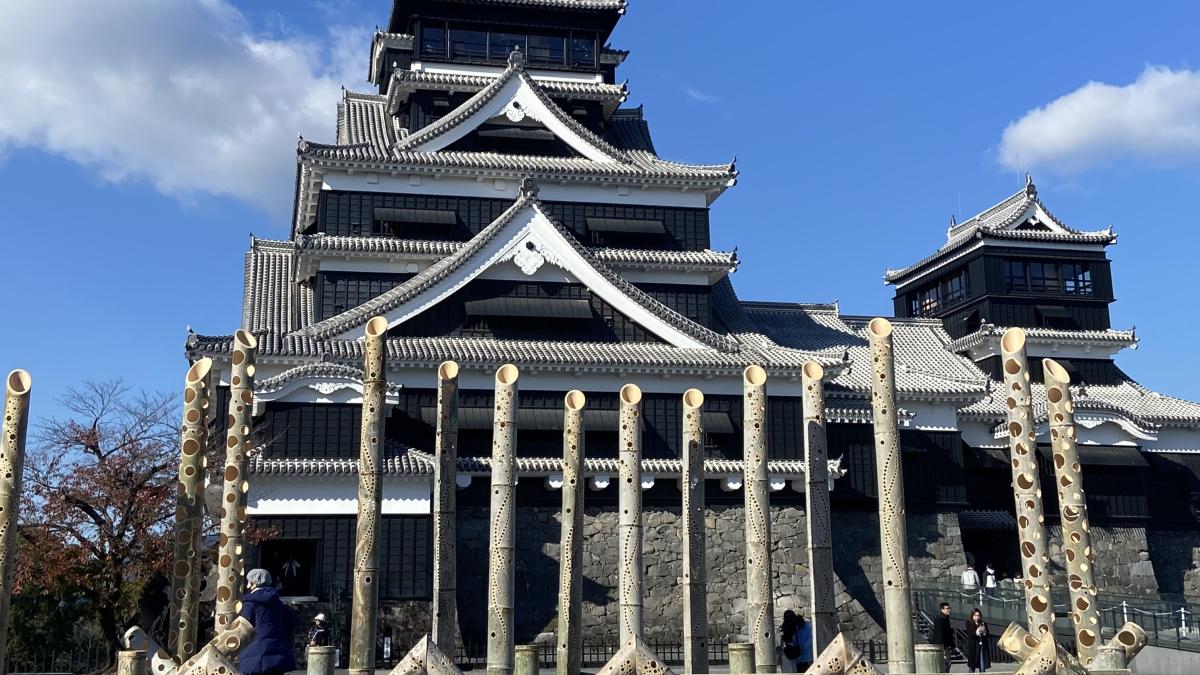
The epicenter of this quake is close to the area affected by the 2016 Kumamoto earthquake, raising public concern. In回顾 of April 14, 2016, Kumamoto Prefecture first experienced a magnitude 6.5 earthquake with a maximum intensity of 7, initially considered the main shock. However, about 28 hours later, in the early hours of April 16, a stronger magnitude 7.3 earthquake with intensity 7 occurred, which was later reclassified as the main shock. This made it the first case in Japan where intensity 7 was recorded twice in the same region within a short period. Over the following months, more than 1,800 aftershocks were recorded. The stone walls of Kumamoto Castle collapsed extensively, the Aso Bridge collapsed, and roads, railways, and residential buildings suffered severe damage.
The 2016 Kumamoto earthquake ultimately caused approximately 276 deaths (including direct and disaster-related fatalities), over 2,700 injuries, damaged around 200,000 buildings, and forced more than 180,000 people to evacuate their homes. It became one of Japan’s most severe inland earthquakes since the 2011 Great East Japan Earthquake. With another magnitude 7+ earthquake striking Kumamoto, the world is closely watching for potential strong aftershocks and further impacts on transportation, daily life, and critical infrastructure.
FACT BOX
- Source: PR Times
- Category: News