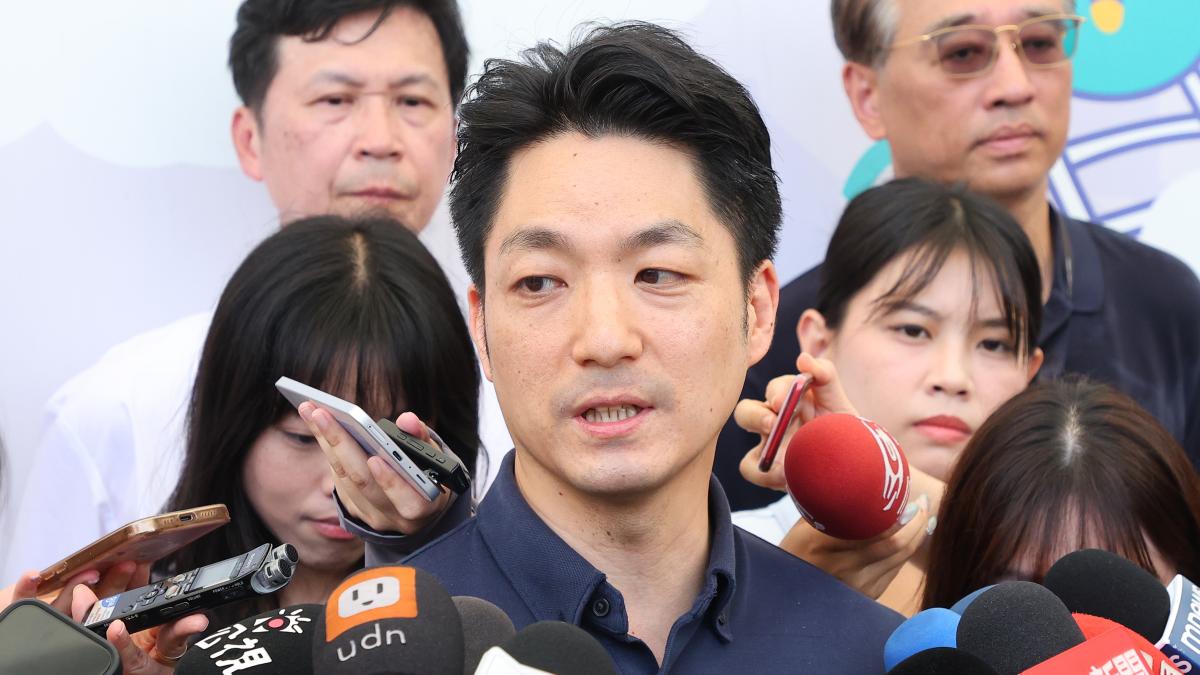
Taipei Mayor Chiang Wan-an has recently raised the issue of a no-confidence motion against the Executive Yuan. In response, Chen Ching-lung, the caucus leader of the Taiwan People's Party (TPP) in the Legislative Yuan, stated on the 28th that the TPP still has many important bills under consideration, and therefore the issue of a no-confidence motion should be approached with great caution. The party caucus will conduct further careful discussions and assessments.
Chiang previously called on citizens to protest on Ketagalan Boulevard over the tainted cooking oil incident. In a recent interview, he stated that if a no-confidence motion could hold Executive Yuan Premier Cho Jung-tai politically accountable, it would be the best possible outcome. He added that he would welcome such a move if there were consensus between the KMT and the TPP.
Chen responded by saying that while the TPP respects Chiang's initiative, there appear to be differing opinions within the KMT caucus as well, and no consensus has yet been reached. He emphasized that the TPP will prioritize legislative progress and responsible governance over hasty political maneuvers.
Under Taiwan's political system, a successful no-confidence vote in the Legislative Yuan would force the Premier to resign. However, such a motion carries significant political risks and depends heavily on the balance of power and coalition dynamics among parties.
Chiang's proposal highlights his attempt to position himself at the forefront of political accountability, especially on high-profile public safety issues. Meanwhile, the TPP's cautious stance reflects its strategy of maintaining independence and focusing on policy outcomes rather than symbolic political confrontations.
Political analysts suggest that Chiang's move is not only a response to public concern over food safety but also a strategic effort to strengthen his leadership profile ahead of future elections. The TPP's reluctance to commit indicates ongoing tensions in blue-and-white cooperation, with the party seeking to preserve its distinct identity.
Going forward, the stance of the TPP and the internal cohesion of the KMT will be critical in determining whether such a motion gains momentum. The outcome could significantly influence the political landscape in Taiwan in the coming months.
FACT BOX
- Source: PR Times
- Category: News