With four months remaining until the 2026 county and city mayoral elections, the scandal over Zhonglian's carcinogenic oil continues to escalate. Ahead of the July 25 'I Am Human, I Say No to Drugs Taiwan' protest rally on Ketagawa Avenue, a promotional video titled 'You Bu De Ni' was released. It allegedly used AI deepfake technology to mimic President Lai Qingde's voice, prompting Taipei prosecutors to open an investigation under case number 'Ta.' In response, opposition parties have accused the Lai administration of conducting a 'water meter check'—a metaphor for suppressing free speech.
In response, Wei Chun-you, head of the production team 'Fengxiang Corporation' and former head of the Blue Camp's new media department, raised three major questions regarding the Ministry of the Interior's report. He also outlined the timeline of events: the 'You Bu De Ni' video was uploaded on July 24, police visited the creators' homes on July 25, and deepfake verification was completed by July 27—a remarkably short period.
What is the 'You Bu De Ni' incident about, and why has it triggered a political storm?
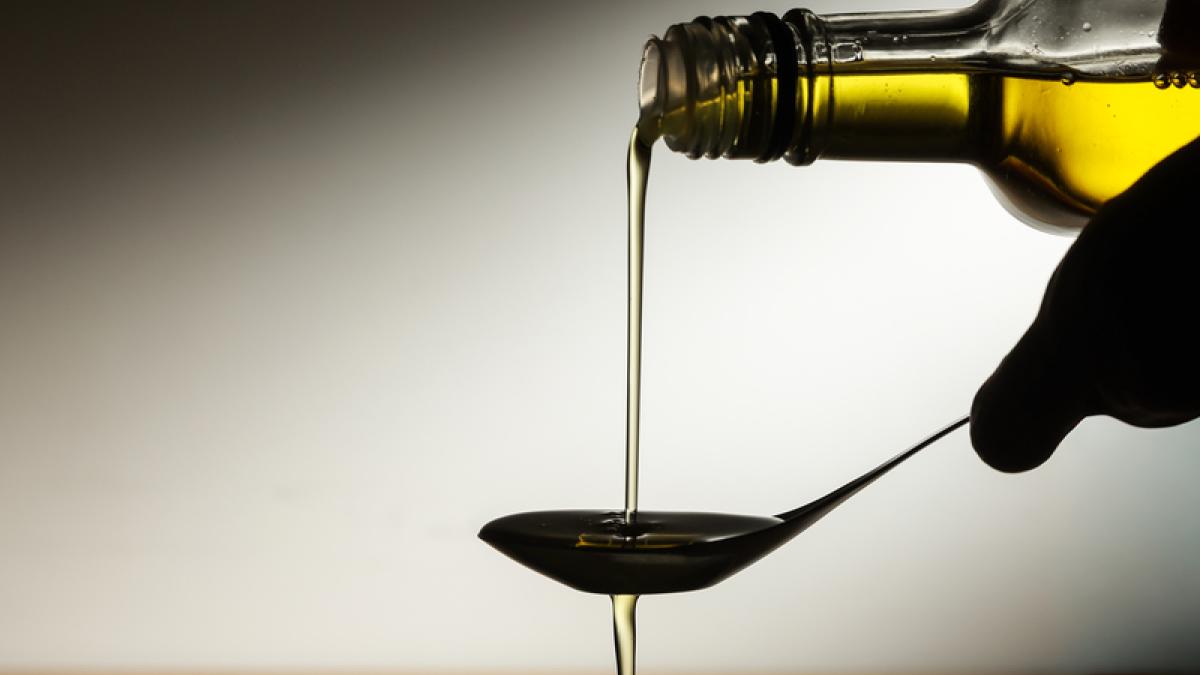
The anti-toxic oil campaign video 'You Bu De Ni' centers on the carcinogenic oil scandal. It uses a first-person narrative from the perspective of a personified oil barrel, accompanied by AI-generated voiceover resembling President Lai Qingde. The video's creator, Wei Chun-you—previously known for the 'Principal Lai Er' series—was later visited by police for questioning at the Criminal Investigation Bureau after public reports claimed the video used deepfake technology to mimic President Lai's voice, potentially misleading the public into believing it was the president speaking. Subsequently, the Ministry of the Interior stated that the Criminal Investigation Bureau referred the case to prosecutors, with Wei suspected of violating forgery laws, and Taipei prosecutors have opened an investigation under a 'Ta' case.
The Ministry emphasized that deepfake technology, when misused, can impersonate identities, spread misinformation, and disrupt public order or social judgment—thus, law enforcement has a legal duty to investigate.
Is the 'You Bu De Ni' video illegal? What does the Ministry of the Interior's report say?
The Ministry stressed that the process balanced freedom of speech with legal fact-finding, adhering strictly to administrative law. Police did not conduct forced searches, impose restrictions on personal freedom, or compel the video's removal or the creator's appearance. The Ministry noted that using AI to highly simulate another's voice or image may, in specific cases, violate laws such as forgery of private documents, defamation, or personal data protection. However, whether a crime has been committed must be determined by judicial authorities.
Regarding the video's forensic results, analysis using the Criminal Investigation Bureau's deepfake detection tools found 'abnormalities in speech rate, tone, breathing rhythm, and vocal characteristics, suggesting AI-generated audio,' warranting further verification of potential illegal use.
Did the video cause people to 'mistake it for President Lai'? Wei Chun-you's response:
Wei Chun-you responded to the 'three major issues' in the Ministry's report. First, he criticized the Criminal Investigation Bureau's conclusion that 'speech rate, tone, and breathing rhythm are abnormal, suggesting AI generation' as answering 'a question no one asked.' He pointed out that the video was posted on a publicly known satirical political page, with a clear disclaimer stating it was an AI-generated video. The narrator identifies as 'Benzo[a]pyrene,' making it clear from the outset that it is not President Lai speaking. The core harm of deepfakes lies in 'causing misidentification,' but this video never intended to deceive from the moment of release.
Second, while the Ministry claimed 'no forced entry, no personal restraint, no compulsory appearance,' no one accused them of 'breaking down doors.' The issue, Wei argued, is that uniformed officers appeared at a satirical creator's home without any official documents and even spoke with family members—'What law does this comply with?'
Third, the Ministry's report did not specify the date of forensic completion. If verification occurred after the police visit, then the sole basis for the visit was the 'public report.' He contrasted this with the nearly one-month verification period for the alleged hotel stay video of former Vice Premier Cheng Wen-tsan. In contrast, for a video merely 'resembling Lai Qingde’s voice,' police visited within one day, and deepfake verification took only about two days—possibly even before verification was complete, as the Ministry did not state the forensic timeline.
FACT BOX
- Source: PR Times
- Category: News