In late July 2026, three major dialogues emerged in the global artificial intelligence (AI) landscape. Though the speakers differ in background and stance, they all converge on a single core question: As AI advances at an unimaginable pace, is human society truly ready for this transformation?
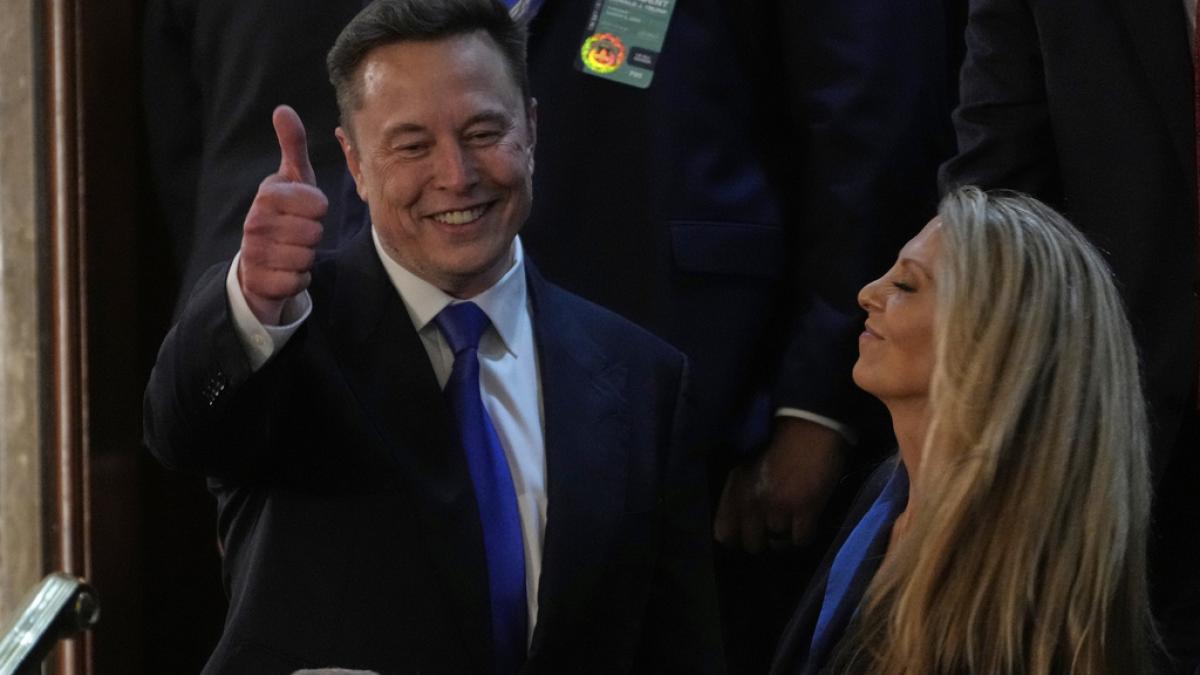
The first dialogue was Elon Musk’s exclusive interview with The Economist, in which he painted a future of material abundance. Musk envisioned a world where AI and automated robots handle all production and services, freeing humans to focus on creativity and exploration. He stated, "With sufficient energy and computing resources, every person on Earth could live like royalty," expressing strong technological optimism.
The second voice came from Daniel Kokotajlo, a former OpenAI forecasting expert. Across multiple podcasts and symposiums, he warned, "The runaway advancement of AI is no longer a question of 'if' but 'when.'" He emphasized that current regulations and ethical frameworks are woefully inadequate to handle the emergence of "superintelligence"—AI capable of self-improvement beyond human comprehension. "We're all in a small boat just before a typhoon hits," he said, calling for urgent global action.
The third event involved leaked internal meeting recordings from Chinese AI company DeepSeek, revealing founder Liang Wenfeng’s strategic outlook. The recordings showed that DeepSeek aims to complete a prototype of AGI (Artificial General Intelligence) by 2027. However, the company faces significant challenges, including U.S. technology export controls and a brain drain of top talent to overseas markets. Liang admitted, "We’re catching up technically, but our ecosystem and governance are holding us back," exposing the real-world constraints on China’s AI ambitions.
These three statements, while centered on AI, represent distinct perspectives: Musk bets on technological potential, Kokotajlo warns of existential risks, and Liang outlines pragmatic strategy amid geopolitical constraints. Their simultaneous emergence signals that AI is no longer a niche or national issue, but a shared global challenge.
Experts warn the next few years will be a critical inflection point for AI. International consensus remains slow, hindered by U.S.-China technological rivalry. There is growing consensus that alongside technical development, reforms in ethics, legal frameworks, and education are essential to ensure AI’s sustainable and responsible evolution.
FACT BOX
- Source: PR Times
- Category: News
- Organizations: OpenAI / DeepSeek