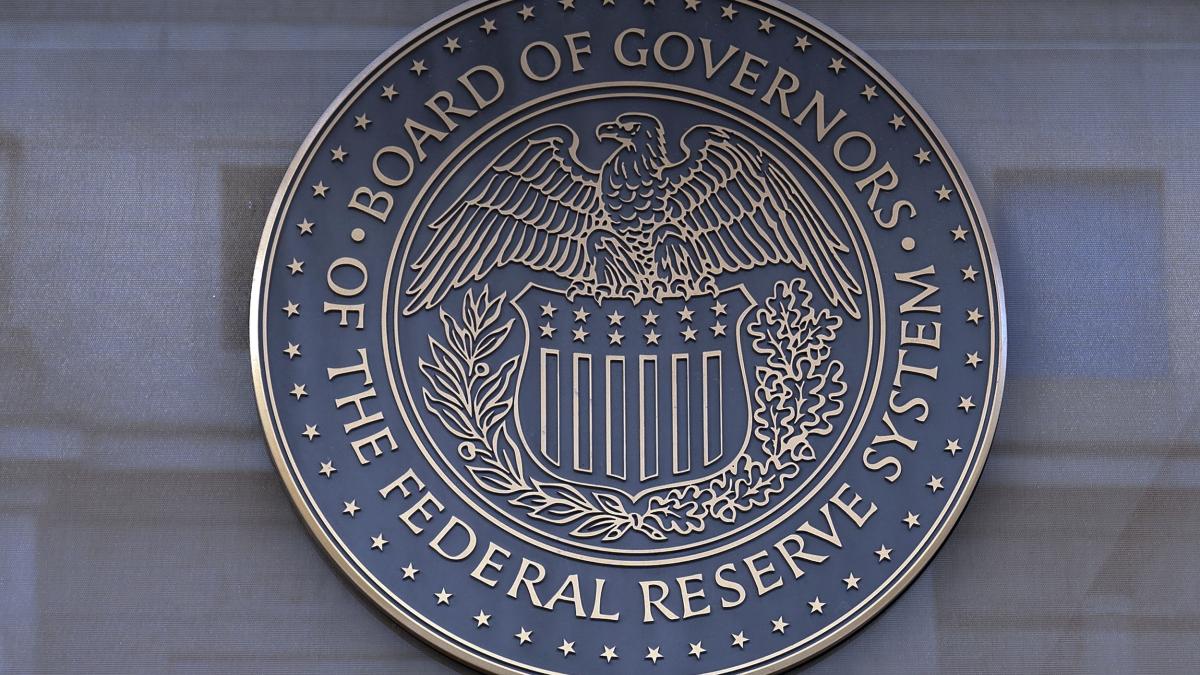
The U.S. Federal Reserve (Fed) today decided to keep interest rates unchanged, marking the second policy meeting under new Chair Kevin Warsh. Despite disagreements among the 12 voting officials, the decision resulted in a fifth consecutive rate freeze. Former Vice Premier Shih Jun-ji commented early this morning (30th) on Facebook that the Fed's decision to hold rates steady has placed the current interest rate range between 3.5% and 3.75%, bringing relief to many. 'Now that the immediate crisis has passed, there is temporary calm,' he said. However, he cautioned that whether the Fed will raise rates at its mid-September FOMC meeting will depend on summer inflation data. If prices remain strong, the Fed may be forced to act.
What is the Fed's latest interest rate range? Is a September rate hike likely?
The U.S.-Iran conflict remains unresolved, causing ongoing volatility in global oil prices. The Federal Open Market Committee (FOMC) met and voted 9 to 3 to maintain interest rates unchanged (3.5% to 3.75%). According to U.S. financial media CNBC, three of the 12 policymakers advocated for a 0.25 percentage point (1 basis point) rate hike. Chair Warsh confirmed after the meeting that intense discussions took place, describing the debate as 'like a family argument,' with heightened interaction among members. Regarding future rates, Central News Agency reported that the CME Group's FedWatch tool estimates the following probabilities:
September 2026: 59% chance of a 0.25 percentage point rate hike January 2027: 90% chance of rates being 0.25 percentage points higher than current levels
This was Warsh's second rate-setting meeting as chair. (Photo credit: AP)
After five consecutive rate freezes, is a storm brewing? The risk of 'yen carry trade unwinding' remains
Following the fifth consecutive rate freeze, Shih Jun-ji noted that one of the 'twin storms' he previously warned about—the unwinding of hedge fund basis trades—now appears unlikely to erupt. However, the risk of a forced unwind of 'yen carry trades' still persists, as the yen remains trapped at historic lows. He further explained that while the Fed typically holds FOMC meetings with Wall Street already anticipating the outcome, this time was different, leaving markets uneasy. He cited two reasons: first, Warsh has adopted a policy of 'less talk, more action,' creating an information vacuum even before the official blackout period. This has led Wall Street to constantly revise rate hike probabilities, causing market anxiety. This approach clearly contradicts the Fed's open and transparent stance maintained since the beginning of the century.
Why does Warsh insist on information silence? Shih Jun-ji outlines two reasons
Why such a stance? Shih analyzed that Warsh believes the Fed should make decisions based on accurate real-market data. If markets rely on forward guidance, it creates a 'you watch me, I watch you' farce. Second, the Fed has been in a rate-cutting phase since September 2024, with AI, stock markets, and the economy booming. A rate hike now would represent a major policy reversal. Citing Rüdiger Dornbusch, former Fed Chair Bernanke's mentor, Shih noted that economic expansions driven by overheating lead to inflation, forcing the Fed to hike rates. But if rates are raised too aggressively, it causes a hard landing, ultimately pushing the economy into recession. This, he said, is the current situation and why the FOMC is receiving so much attention.
Additional exclusive reports from financial media: · Warsh takes a hardline stance: The Fed's 2% inflation target 'allows no flexibility,' and market rates have already tightened naturally · No rate hike, but stocks and gold surge! Three hawkish officials cast dissenting votes—the first time since 2016 · The Fed is no longer the 'market's babysitter'! Warsh's unpredictable style forces bond fund giants to reassess investment strategies
FACT BOX
- Source: PR Times
- Category: News
- Organizations: CME / CNBC