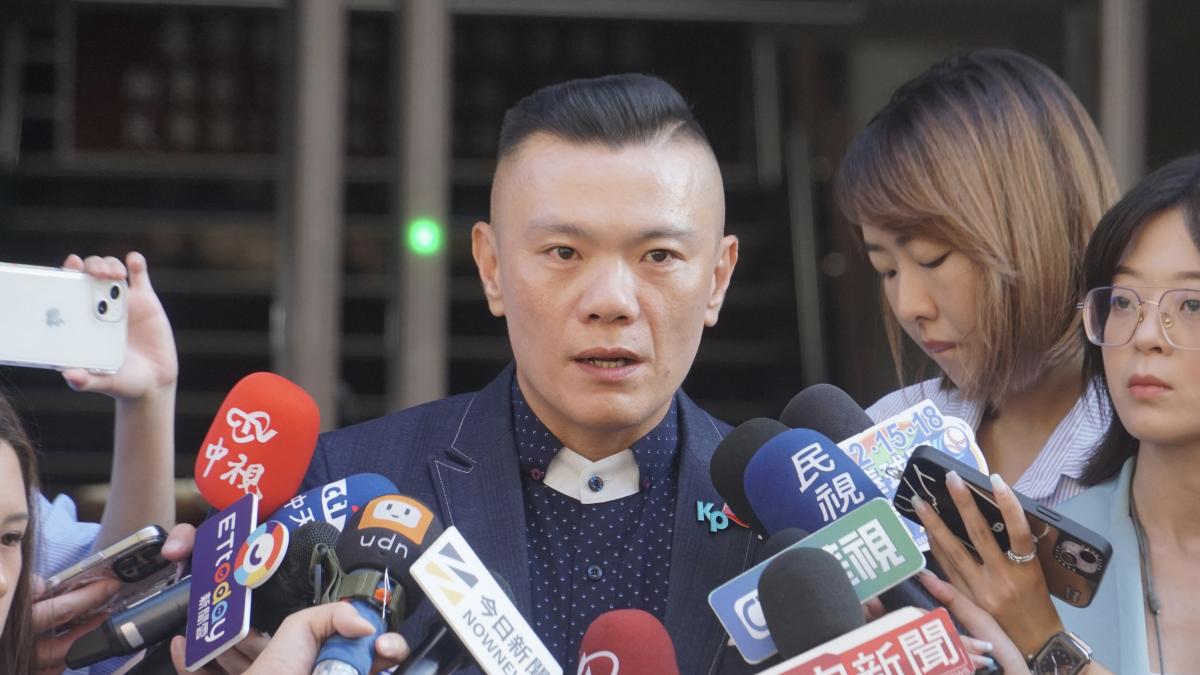
Taichung City Councilor Chiang Ho-shu of the Taiwan People's Party recently proposed abolishing the 'snitch expert' system, sparking heated online discussion. Cheap, a well-known netizen who has long focused on traffic issues, posted a strong rebuttal, calling Chiang 'Taiwan's Ou Po' and 'the spiritual successor of Ou Po,' directly stating that completely eliminating public citations would encourage violations and likely make Taichung's traffic even more chaotic.
Chiang asked on Facebook whether people support abolishing the 'snitch expert' system, explaining that his service office has long received complaints about traffic tickets—some individuals receiving multiple fines in a short time, and others falling out with neighbors or friends due to mutual reporting. He aims to bring public opinion into the city council to push for reform of the citation system.
Is the current system already too strict?
Cheap argues that the current public citation system is already heavily restricted—for example, some red-line parking violations cannot be reported, and double-parking citations require complete video evidence to be valid. He questions whether the system can even effectively handle serious traffic-obstructing violations, and warns that abolishing it entirely would only further encourage drivers to break the rules.
Cheap bluntly stated in his post: 'It's fine for Ah-Shu to support his local community, but abolishing citations is the dumbest move.' He argues that if violations go unpunished by police and citizens can no longer report them, law-abiding drivers who pay to park in lots will feel like they're losing out. Over time, even those who originally followed the rules might start violating them too.
Which violations should NOT have citations abolished?
Cheap emphasizes that he is not against reviewing the current system—citation categories, short-term repeated reporting, and no-motorcycle zones could all be re-discussed. However, behaviors that endanger public safety—such as double-parking, sidewalk parking, aggressive driving, running red lights, and failing to yield to pedestrians—should not only retain public reporting but should see stricter enforcement.
Cheap previously criticized former legislator Chen Ou-po, who pushed for limiting public citations, calling him the 'Father of Illegal Parking in the Republic of China,' arguing that restricting public reporting does not reduce traffic violations but instead increases the burden on frontline police. Chiang's renewed proposal to abolish 'snitch experts' has led Cheap to draw a direct comparison, criticizing both as ideologically aligned.
Chiang, however, stressed in his post that he supports heavy penalties for drunk driving, red-light running, and dangerous driving. He clarified that pushing for reform is not about tolerating violations, but about addressing issues like repeated citations, mass ticketing, and public conflict.
Chiang stated: 'The purpose of traffic regulations should be to make traffic safer, not to pit people against each other, nor to make the public feel that the government only cares about issuing fines.' He advocates for a system that balances traffic safety with public fairness. Cheap, however, believes the system can be reviewed, but completely abolishing public citations is not the solution.
FACT BOX
- Source: PR Times
- Category: News