US stocks faced intense selling pressure on July 29, with all three major indices sharply declining. The US Federal Reserve (Fed) announced it would maintain its benchmark interest rate in the 3.50% to 3.75% range, in line with market expectations. However, a clear split emerged among policymakers, with three committee members voting against the decision and advocating for a 25-basis-point rate hike. Compounding investor concerns about the sustainability of massive capital expenditures in artificial intelligence (AI), chipmakers and tech giants led the decline. The S&P 500 hit a nearly one-month low, while the tech-heavy Nasdaq 100 officially entered correction territory.
According to preliminary closing data, the S&P 500 dropped 111.36 points, or 1.50%, closing at 7,317.42. The Nasdaq Composite plunged 420.02 points, or 1.68%, to finish at 24,460.08—down about 9% from its June record high. The Dow Jones Industrial Average tumbled 1,129.03 points, or 2.14%, closing at 51,618.29. The Philadelphia Semiconductor Index collapsed 5.3%, marking its fifth consecutive day of losses, dragged down by falling chip stocks. The Nasdaq 100 dropped 1.8% on the day, with cumulative losses exceeding 11% from its June peak, officially confirming its entry into technical correction after wavering near the threshold the previous session.
Ryan Detrick, chief market strategist at Carson Group, analyzed: "The Fed held as expected, but the bigger question now is how much pressure they’ll face to hike in September. With inflation still elevated and oil prices surging, market expectations have shifted toward a very likely resumption of rate hikes in September."
Meanwhile, tech giants Microsoft and Meta Platforms are set to report their latest quarterly earnings after market close, putting markets on high alert. Both companies’ stocks have been under pressure in 2026 as investors begin questioning the sustainability of their aggressive AI spending. There is growing concern that US tech leaders’ complex, multi-billion-dollar investments in AI are severely eroding corporate free cash flow. Additionally, competition from Chinese firms is intensifying across the board—not only in advanced chip development but also through the rapid rollout of lower-cost AI models.
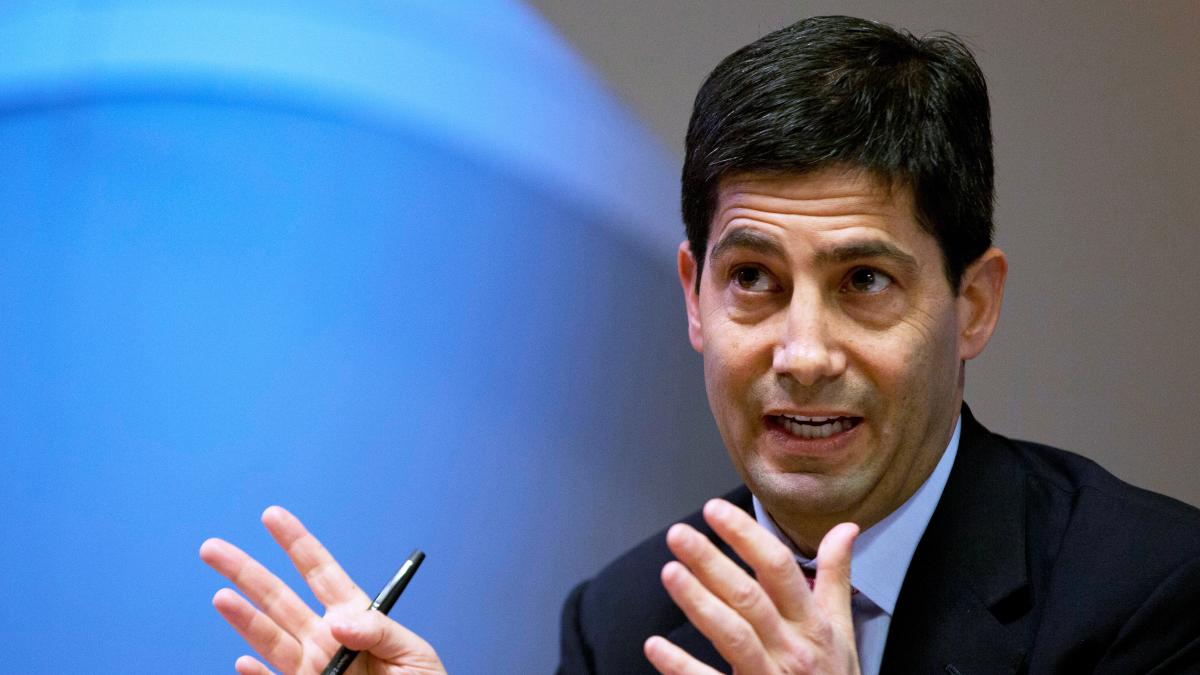
In response to market concerns, Fed Chair Kevin Warsh stated at a press conference: "The large corporate expenditures in AI today are laying the foundation for future economic growth."
However, not all industry earnings have delivered positive feedback. South Korean memory giant SK Hynix reported quarterly profits that surged sixfold year-on-year, yet failed to meet sky-high market expectations, causing its stock to plummet 10%. Vertiv, a major AI infrastructure provider, also sharply declined after missing quarterly revenue forecasts, dragging down broader AI and semiconductor stocks.
According to LSEG I/B/E/S data, analysts expect S&P 500 constituents to post a 40% year-on-year profit surge in Q2 2024, with AI-related stocks driving most of the growth. Amid strong earnings forecasts and recent market pullbacks, the S&P 500’s forward P/E ratio stands at approximately 20x, slightly above the 10-year average of 19x.
On individual stocks, Ford Motor rose after raising its annual profit outlook for the second time this year. Lennox, an HVAC and refrigeration equipment manufacturer, saw its shares drop sharply after lowering its annual earnings forecast. Payment giant Visa benefited from robust travel spending driven by the FIFA World Cup, reporting earnings that beat expectations and sending its stock higher.
FACT BOX
- Source: PR Times
- Category: News
- Organizations: Meta Platforms / Visa