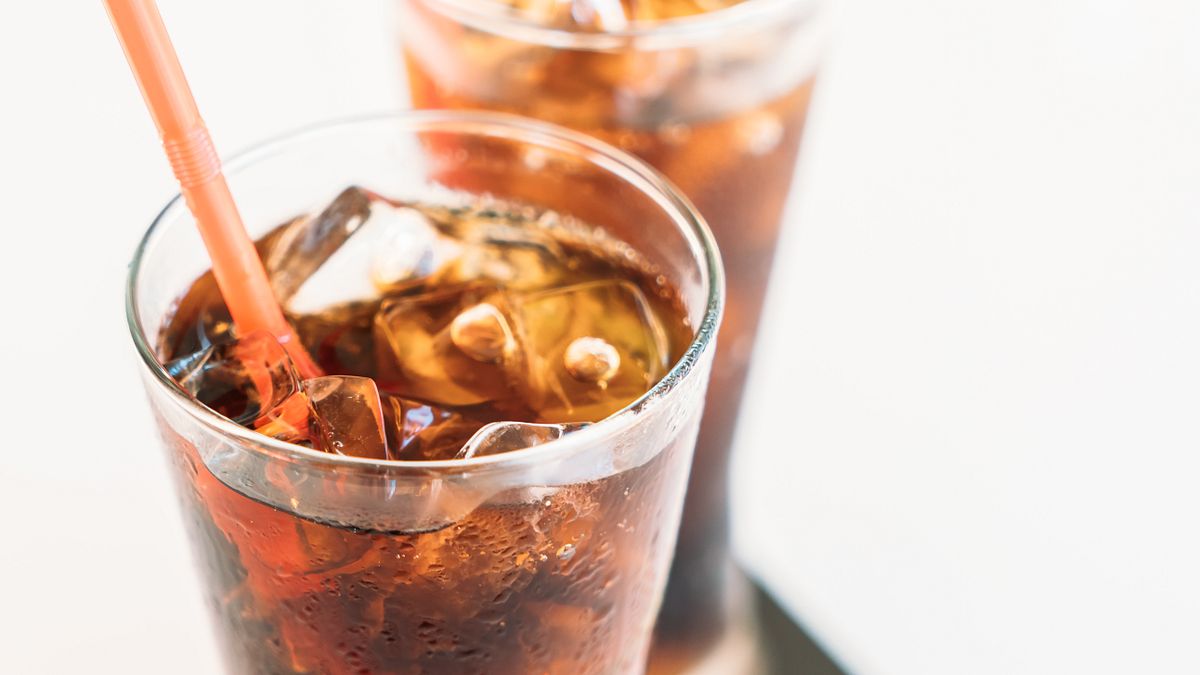
Dr. Tseng Chih-wei, a gastroenterologist at Dalin Tzu Chi Hospital, recently used an endoscope to inject Coca-Cola and successfully dissolved a patient’s gastric phytobezoar. According to Dr. Tseng, simply drinking Coke is only about 30–40% effective. Moreover, once the bezoar shrinks, it may enter the small intestine and cause intestinal obstruction, leading to more serious complications.
Dr. Tseng recently presented a case involving an 86-year-old male patient from Chiayi who had a 4-centimeter gastric phytobezoar causing gastric ulcer bleeding. Due to the high risk associated with traditional surgery, a minimally invasive endoscopic procedure was chosen. The team injected 250 milliliters of Coca-Cola directly into the bezoar. Thanks to the drink’s acidity (pH 2.6) and the carbon dioxide bubbles it releases, the bezoar’s structure gradually disintegrated and was eventually expelled from the body.
This treatment method has sparked public curiosity, with many asking whether simply drinking Coke could achieve the same result. Dr. Tseng told reporters from Central News Agency that oral consumption only achieves about 30–40% effectiveness. He warned that even if the bezoar shrinks, it could still move into the small intestine and cause intestinal obstruction, worsening the condition. In contrast, endoscopic injection allows doctors to monitor the dissolution process in real time and immediately remove any small fragments using the endoscope. This method achieves up to 90% effectiveness and is considered a safer treatment option.
Dr. Tseng emphasized that Coke is high in sugar and a highly carbonated beverage. Excessive consumption may lead to excess stomach acid or irritation of the gastric mucosa. Diabetic patients must also be cautious about blood sugar control. Even zero-calorie Coke, while avoiding excess sugar and calories, can still cause gastrointestinal discomfort. Therefore, he does not recommend patients self-treat by drinking Coke.
According to Dr. Tseng, phytobezoars commonly occur in elderly individuals, long-term bedridden patients, stroke survivors, those with dementia, or people with poor gastric motility. After consuming fiber-rich foods, undigested residues gradually coagulate and form hard masses in the stomach. These can lead to serious complications such as gastric ulcers, gastric perforation, or even intestinal obstruction.
FACT BOX
- Source: PR Times
- Category: News