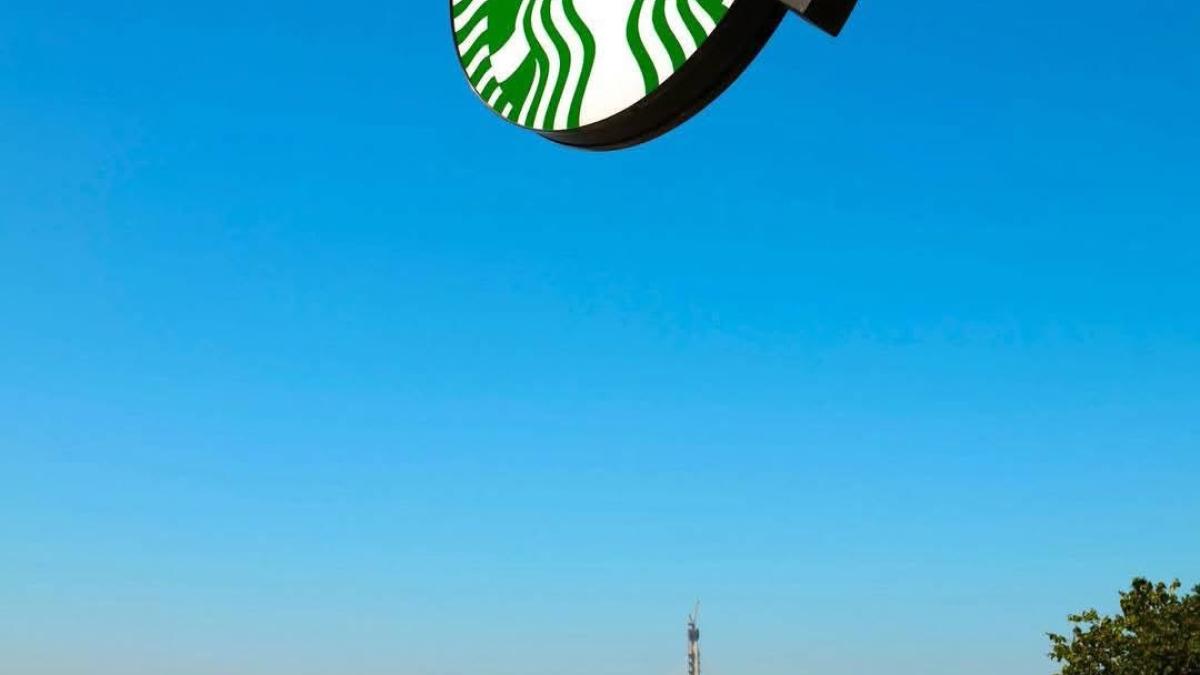
After the opening of Danjiang Bridge, Tamsui Fisherman's Wharf, once expected to see a revival, has recently been thrust back into the spotlight due to the closure of Starbucks, a flagship chain brand. The extreme contrast—'increased foot traffic from the bridge, yet store closures'—brutally exposes the long-standing commercial bloat and consumption gap at this famous tourist spot. This is not merely a lease expiration exit, but a 'dimensional strike' triggered by changes in transportation structure and business models.
1. From 'Terminus' to 'Transit Node'
In the past, tourists from Taipei or Linkou heading to Fisherman's Wharf had to endure traffic jams along Provincial Highway 2 and Tamsui Old Street. Fisherman's Wharf was the 'end point' of the journey, forcing visitors to stop upon arrival. However, with the opening of Danjiang Bridge, the former endpoint has become a cross-river transit node. Traffic now swiftly crosses the river via Provincial Highway 64 and Highway 61. Many tourists simply ride or drive over for a 'quick photo op,' leaving within 20 minutes after snapping pictures of the bridge and sunset, then continuing along the road network to Tamsui Old Street, Sanchih, or even the North Coast. Ironically, improved transportation has turned Fisherman's Wharf into a fleeting 'transit park,' unable to convert foot traffic into actual spending efficiency.
2. A 'Scenic Island' Lacking Inelastic Demand
Riverfront stores have vastly different fates. From the camera lens, we see that the 'Tamsui Riverside Store' in Tamsui Old Street enjoys expansive river views and distant views of Danjiang Bridge, located at the core of the pedestrian zone. When tourists get tired from shopping, they naturally develop an 'inelastic need' to sit down, have coffee, and cool off. In contrast, the 'Fisherman's Wharf Store,' while offering stunning sunset views and silhouettes of Lover's Bridge, sees tourists moving point-to-point, with no surrounding commercial clusters to drive further consumption. Without other attractions nearby, tourists take photos and leave immediately, with no incentive to enter a café and spend time. As a result, foot traffic passes by without entering.
Starbucks Fisherman's Wharf Store (photo by Shih Liang-chou)
3. The Harsh Judgment of Data-Driven Decisions and Lease Expiry
During the three pandemic years, many chain brands chose to endure, largely 'holding position' and waiting for the retaliatory红利 (rebound benefits) from Danjiang Bridge's opening. However, when lease expiry coincided with the bridge's launch, the headquarters' cold financial data revealed the truth: the bridge brought 'popularity,' not 'average transaction value' or 'weekday repurchase rates.' Faced with high rent, equipment renewal costs, and extreme weekday-weekend disparities, cutting losses and reallocating resources to higher-performing MRT-adjacent locations became the most rational business decision.
Starbucks' closure is a heavy warning: transportation benefits cannot save a commercial zone lacking substance. Danjiang Bridge has pulled Fisherman's Wharf into a higher-dimensional competitive arena. If the government and operators fail to upgrade this area from a 'photo spot' to an 'experience destination with culture, content, and reasons to stay and spend,' then no matter how much foot traffic comes, it will only pass through faster.
*Author: Master's graduate from the Institute of Architecture and Urban Design, Chinese Culture University; real estate writer; senior media observer
FACT BOX
- Source: PR Times
- Category: News