In the Zhonglian carcinogenic oil case, Taichung District Court ruled on the 1st to detain Zhonglian Oils' plant manager Chen Ming-rong without visitation rights. The ruling stated that Zhonglian had already been notified by Taiwan Sugar in May that the raw oil contained excessive levels of 'benzopyrene' but continued to conceal the issue, allowing carcinogenic oil to enter the market. Taiwan Sugar stated that it refused to accept the shipment due to不合格 test results and did not bring back the raw materials for production. It also emphasized that, legally, it is not an obligated notifier under food safety regulations.
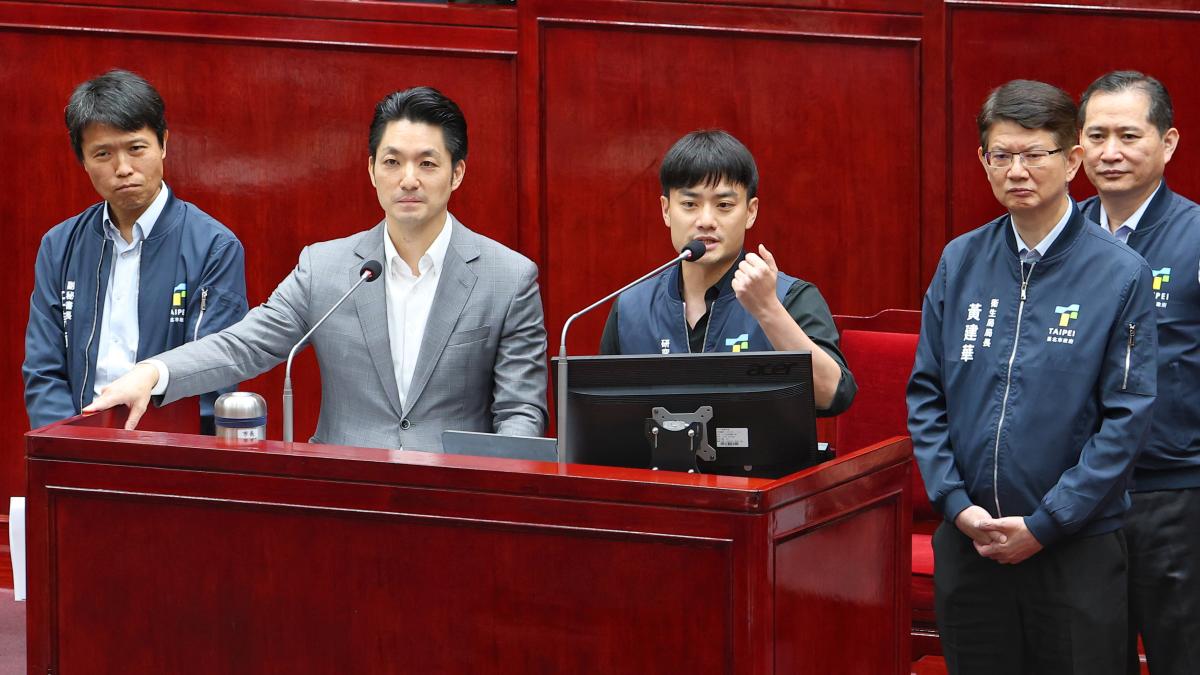
In response, Yen Wei, Director of Taipei City's Research, Evaluation and Assessment Commission, criticized on the 2nd, stating on Facebook: 'Last night’s press release from Taichung District Court revealed that before Nanchiao’s report, both Zhonglian and Taiwan Sugar already knew about the benzopyrene超标 issue. The starting point of this toxic oil scandal was not Nanchiao—it was Taiwan Sugar!'
Yen explained that according to explanations from the Ministry of Economic Affairs and Taiwan Sugar, Taiwan Sugar personnel collected samples from Zhonglian in Taichung on May 11 and received the test report on May 15, discovering that the level of benzopyrene (BaP), a Class 1 carcinogen, reached 14.7 ppb—over seven times the standard limit. On May 18, Taiwan Sugar informed Fumao not to accept crude oil from tank 311 and requested an oil replacement. 'A Class 1 carcinogen,超标 by such a dangerous margin—don’t bring it here. And then? Then, nothing happened.'
Yen stated that Chen Ming-rong, the plant manager of Zhonglian, was aware of the situation, and the severity was discussed internally, yet they adopted a passive response—hence his detention yesterday. Earlier, Zhonglian’s CEO Yu Ling-chung was also detained. While Zhonglian is clearly at fault and must be held accountable, what about Taiwan Sugar? What about the Ministry of Economic Affairs? Both individuals participated in the Food and Drug Administration’s expert meeting regarding the 20% toxic oil products on shelves—how ironic.
Yen raised five key questions:
First: If Taiwan Sugar had not remained silent, could this food safety crisis have been prevented? Taiwan Sugar informed Zhonglian, but did it notify the competent authority—the Kaohsiung City Government? Did it report to its superior—the Ministry of Economic Affairs? If Taiwan Sugar had immediately reported to the Ministry upon receiving the test results on May 15, and if the Ministry had swiftly notified the Ministry of Health and Welfare or the Food and Drug Administration, or even Taichung City Government where Zhonglian is located, how different might the outcome have been?
Second: What is the responsibility of a state-owned enterprise? Taiwan Sugar detected BaP超标—did it notify the Ministry of Economic Affairs or the Food and Drug Administration? The statements from the Ministry and Taiwan Sugar essentially argue, 'We didn’t have to—we didn’t break the law.' They cite Article 3 of the Food Safety Act, emphasizing that Zhonglian supplied 'raw materials,' not 'products,' and only products trigger mandatory reporting obligations. Taiwan Sugar is directly under the Ministry of Economic Affairs, a state-owned enterprise with over 96% government and public ownership. Upon discovering raw oil with carcinogen levels seven times above standard, they treated it as a routine business transaction—rejected the goods and walked away. Is this acceptable? Shouldn’t toxic oil be reported?
Third: Where did the toxic oil from tank 311, which was rejected, go? Taiwan Sugar claims the oil remained sealed at the supplier’s factory and never entered Taiwan Sugar’s supply chain. But if it didn’t enter Taiwan Sugar’s chain, did it enter other manufacturers’ chains or the market? Later, tanks 313 and 315 were also found problematic—what do these batches have in common? The government and prosecutors must immediately investigate the whereabouts and connections between these toxic oil batches.
Fourth: Who covered it up? The disappearance of tank 311 from the July press release. On July 16, Taiwan Sugar issued a press release explaining preventive recalls but completely omitted the fact that they had known about Zhonglian’s issues since May and made no mention of tank 311. Isn’t this information the public has a right to know? If they failed to act in May, what about in July when the scandal erupted? Between May and July, who decided not to inform the public about the existence of this toxic oil?
Fifth: When did the Ministry of Economic Affairs find out—and what did they do? The Ministry issued a statement today saying they sent personnel from the State-Owned Enterprises Division and the Integrity Division to audit Taiwan Sugar on July 28, concluding that 'Taiwan Sugar’s statements align with documented records.' But when did the Ministry learn that Taiwan Sugar had detected BaP超标 in May? Was it on July 28, or earlier? If they knew earlier, what actions did they take? If they only learned on July 28, is their immediate response—endorsing Taiwan Sugar’s account—appropriate? Won’t this reignite public anger, reinforcing the perception that the central government and its state-owned enterprises adopt a 'wait-and-see' attitude, only acting after crises erupt?
FACT BOX
- Source: PR Times
- Category: News