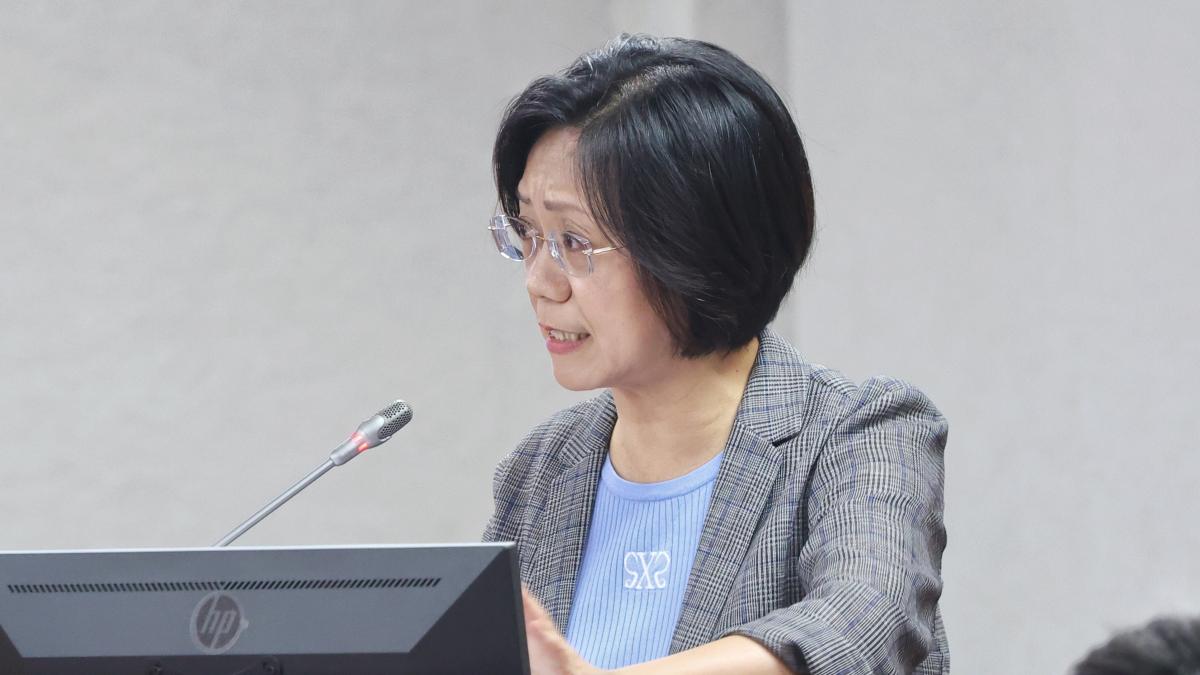
Last year, Taiwan's Legislative Yuan passed a bill halting pension cuts for public servants and educators, allowing approximately 180,000 affected retirees to receive back-payments starting August 1. However, KMT legislator Weng Hsiao-ling stated today (2nd) that the Examination Yuan and Ministry of Civil Service continue to withhold over-deducted pension amounts for 2023 and 2024. In response, she has proposed freezing NT$5 million from the Examination Yuan's operational budget and NT$10 million from the Ministry's, requiring both agencies to formally announce the repayment process, submit reports to the Legislative Yuan's Judiciary and Organic Laws Committee, and obtain approval before releasing funds.
On her Facebook, Weng noted that in recent days, numerous retired public servants have contacted her, confirming that their August 1 pension deposits had been restored to 2023 levels and that they had received back-payments for excess deductions made between January and July 2024.
However, Weng criticized the Examination Yuan and Ministry for failing to complete the process, accusing them of deliberately delaying the return of over-deducted amounts for both 2023 and 2024. She estimated the withheld amounts range from NT$30,000 to NT$40,000 per individual, reaching up to NT$60,000–70,000 for some, totaling approximately NT$4–5 billion collectively. These funds, she emphasized, were contributions made by the 180,000 retirees themselves—questioning why the Ministry refuses to return them. She condemned the government's decision to absorb this sum into public coffers as unjust and likened it to robbery.
The Ministry claims it cannot refund the amounts because the legislative amendment by the KMT and TPP coalition failed to specify the effective date of the law. Weng dismissed this as mere evasion, challenging the Ministry to present its proposed 'correct' legislative wording—a request it has yet to fulfill.
Recalling the legislative process, Weng pointed out that the Examination Yuan and Ministry consistently opposed the pension restoration bill without offering any alternative proposals. She consulted multiple administrative law experts, former Examination Yuan and Ministry officials, and the Legislative Yuan's Legal Affairs Bureau, all of whom confirmed that the law's wording was clear: pension replacement rates should remain at 2023 levels, and the suspension of pension deductions should take retroactive effect from 2023.
Weng expressed outrage that the Ministry unilaterally overturned this straightforward legal interpretation. If administrative agencies can unilaterally decide when laws take effect, she argued, it undermines the authority of the Legislative Yuan. Under such circumstances, she questioned whether future legislative attempts to clarify retroactive implementation would be recognized by the Examination Yuan, Ministry, or even the Executive Yuan.
In response to what she described as the arrogance of these agencies, Weng has submitted two budget freeze proposals: NT$5 million for the Examination Yuan and approximately NT$10 million for the Ministry. These freezes will remain in place until both agencies formally announce the repayment procedures for 2023 and 2024 pension differences, complete official notifications, and submit reports to the Legislative Yuan's Judiciary Committee for approval before any funds can be disbursed.
Weng emphasized that the NT$15 million budget freeze is merely a warning. The Legislative Yuan will begin reviewing the 2027 budget in October, and during this period, she will 'listen to their words and observe their actions.' If the Examination Yuan and Ministry persist in opposing retirees, she vowed not to tolerate it: 'The first time is a warning, the second is punishment, and thereafter, penalties will escalate consecutively.'
FACT BOX
- Source: PR Times
- Category: News