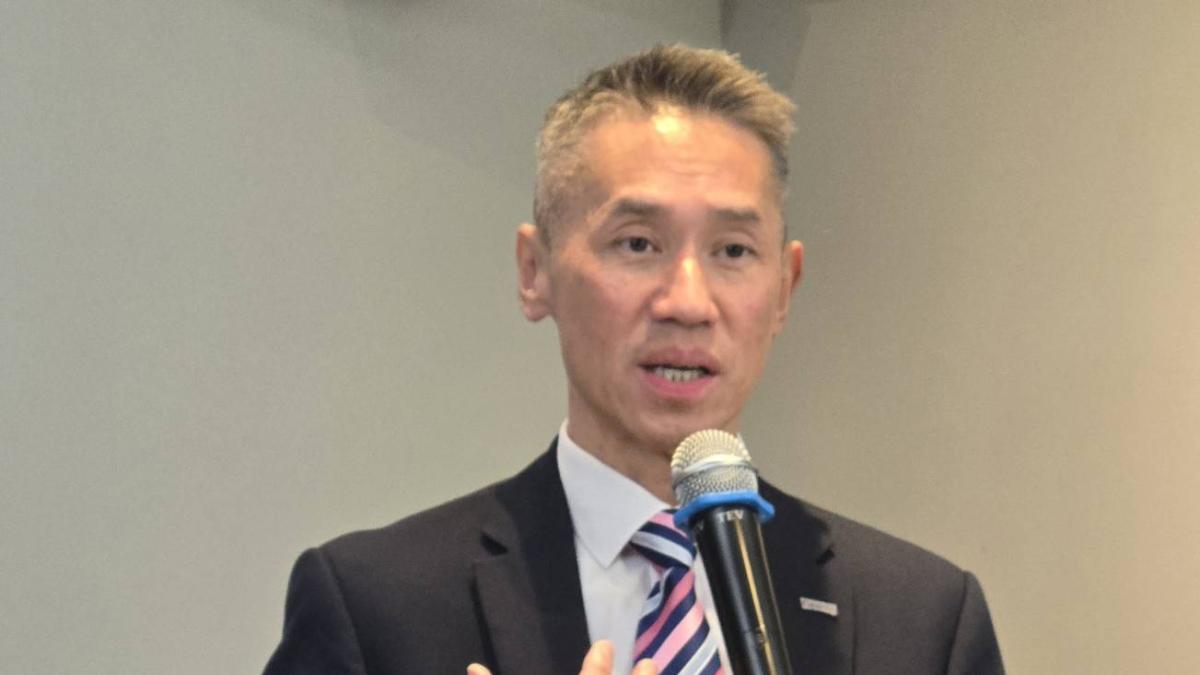
Kao Wei-yuan, president of National Tsing Hua University (NTHU), began his second four-year term in May 2024. Just three days later, on May 4, he traveled to the U.S. to interview for the presidency of the University of Hawaii at Mānoa, triggering widespread criticism over whether he was engaging in 'riding a donkey while looking for a horse'—maintaining his current position while seeking another.
Kao first became president of NTHU in 2022 and officially began his second term on May 1, 2024, with his tenure lasting until April 2030. However, shortly after his reappointment, he entered the final selection round for the University of Hawaii presidency, ultimately not being selected. The revelation sparked intense debate in the higher education community.
In response, U.S.-based professor David Weng (Weng Da-rui) clarified the timeline on Facebook. He questioned whether 'riding a donkey while looking for a horse' is inherently wrong and argued it is not. University presidencies are among the highest academic positions and are typically filled by recruiting from other institutions. If sitting university leaders cannot seek new roles, vacancies would remain unfilled due to lack of applicants. Thus, 'riding a donkey while looking for a horse' is a common and necessary practice in higher education.
However, Weng contends that Kao’s mistake was not in seeking another position, but in 'riding a donkey while leading a horse'—accepting reappointment at NTHU while continuing to pursue the Hawaii role. According to Weng, Kao passed NTHU’s reappointment vote on March 19, 2023, officially began his second term on May 1, 2024, and attended the Hawaii interview on May 4.
The University of Hawaii launched its presidential search in late February 2024, and a headhunting firm approached Kao. At that time, NTHU’s reappointment vote had already concluded. Kao submitted his application while still in his first term and before formally accepting the reappointment letter—making his initial application ethically acceptable under academic hiring norms.
The critical issue arose after Kao accepted NTHU’s reappointment. By continuing in Hawaii’s selection process, he was effectively 'riding the donkey while leading the horse.' Weng argues this damaged his professional integrity. If Hawaii had offered him the presidency and he accepted, NTHU’s reappointment would have been rendered meaningless. If he declined, Hawaii’s entire search process would have been wasted. Either outcome would have turned both institutions’ efforts into a farce.
Weng reviewed the finalists’ credentials and concluded Kao was the strongest candidate, far surpassing the other two. He speculates Hawaii ultimately chose the second-best candidate because they learned Kao had already accepted reappointment at NTHU, raising concerns about his loyalty.
Weng asserts that after accepting reappointment, Kao should have immediately withdrawn from Hawaii’s search. By failing to do so, Kao has likely burned bridges with other universities, making future presidential offers improbable. This, Weng argues, is the price Kao must pay for 'riding a donkey while leading a horse.'
Moreover, NTHU now faces the prospect of having a president who may be blacklisted by the global academic market. Weng urges Kao to apologize to both NTHU and the University of Hawaii and resign. Such a move, he suggests, could partially restore Kao’s academic integrity and give NTHU a chance to start anew. Resignation, Weng concludes, would be a 'survival through surrender' strategy—painful but potentially redemptive.
FACT BOX
- Source: PR Times
- Category: 人事