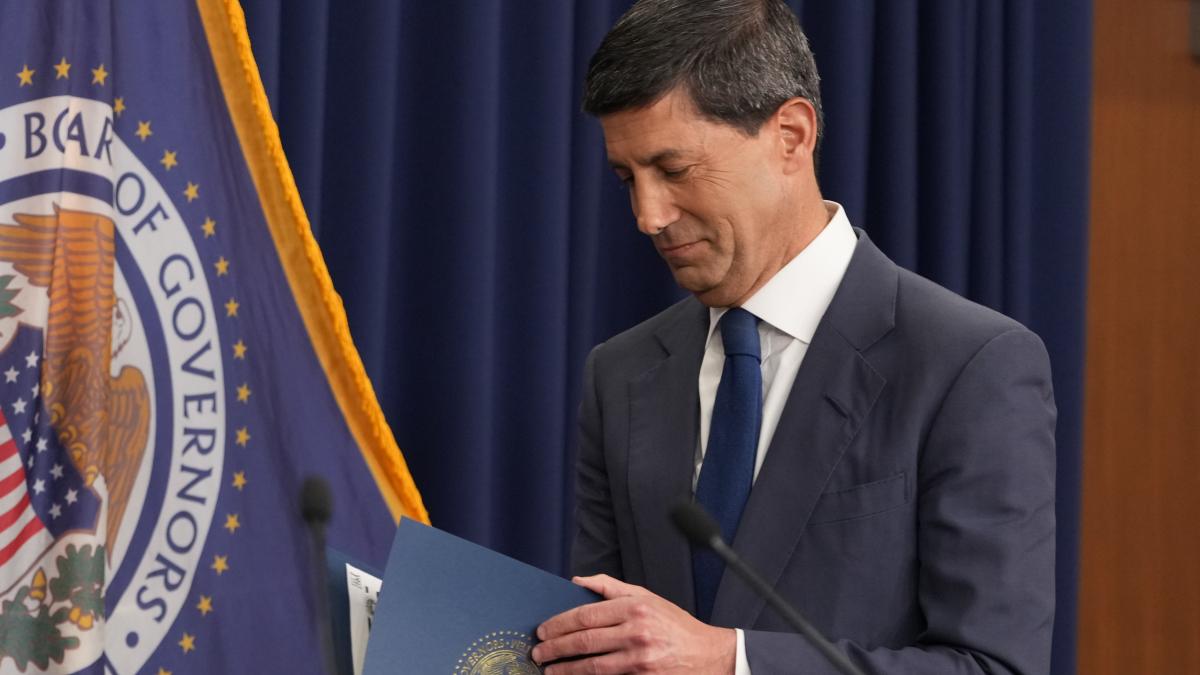
The Federal Open Market Committee (FOMC) voted 9 to 3 in late July to maintain its current interest rate, marking the highest number of dissenting votes in nearly a decade. Following the decision, the Dow Jones Industrial Average plummeted 1,152.46 points (down 2.18%) to close at 51,594.86.
In response, macroeconomist Wu Jia-long analyzed the move on the program "Bao Jie, What Do You Think?" He argued that the Federal Reserve is deliberately projecting a tough stance to control "inflation expectations."
Wu explained that the Fed is no longer just fighting inflation itself, but also the psychological anticipation of inflation. If businesses and consumers expect prices to rise, they adjust pricing and wage demands accordingly, which in turn feeds into actual inflation data. "To cut off inflation at its source," Wu said, "the Fed must first tackle inflation expectations."
He emphasized that a key component of inflation expectations is the market's perception of the Fed's attitude toward inflation. By showing a strong, hawkish stance, the Fed reassures the market, which reduces inflationary psychology, moderates pricing behavior, and ultimately brings down inflation figures—creating the conditions necessary for future rate cuts.
Wu stated that the Fed must appear strong now in order to cut rates later. The unusually high number of dissenting votes in this FOMC meeting was a strategic signal to reinforce this message. By demonstrating internal disagreement and hawkish sentiment, the Fed aims to anchor expectations. Once expectations and actual inflation are under control, the path to rate cuts opens.
However, Wu pointed out that current inflation is driven by two major factors: rising international oil prices and AI-driven inflation. He stressed that AI-related inflation is particularly significant and contradicts the optimistic view held by Fed Chair Kevin Warsh, who believes AI will boost productivity and support rate cuts.
"In reality," Wu said, "AI is currently fueling inflation." During the infrastructure rollout phase of AI, the market is experiencing inflationary pressures before seeing productivity gains. This puts Warsh in a difficult position.
Wu added that Warsh must now convince the market that the Fed remains vigilant. "He must show a tough stance on inflation—even if rates aren't rising, he needs to talk tough." This rhetorical strength is essential to maintain credibility and manage market psychology.
In conclusion, Wu emphasized that the Fed's current hawkish posture is a necessary step toward future easing. Only by controlling inflation expectations and actual data can the Fed create the conditions for rate cuts down the line.
FACT BOX
- Source: PR Times
- Category: News