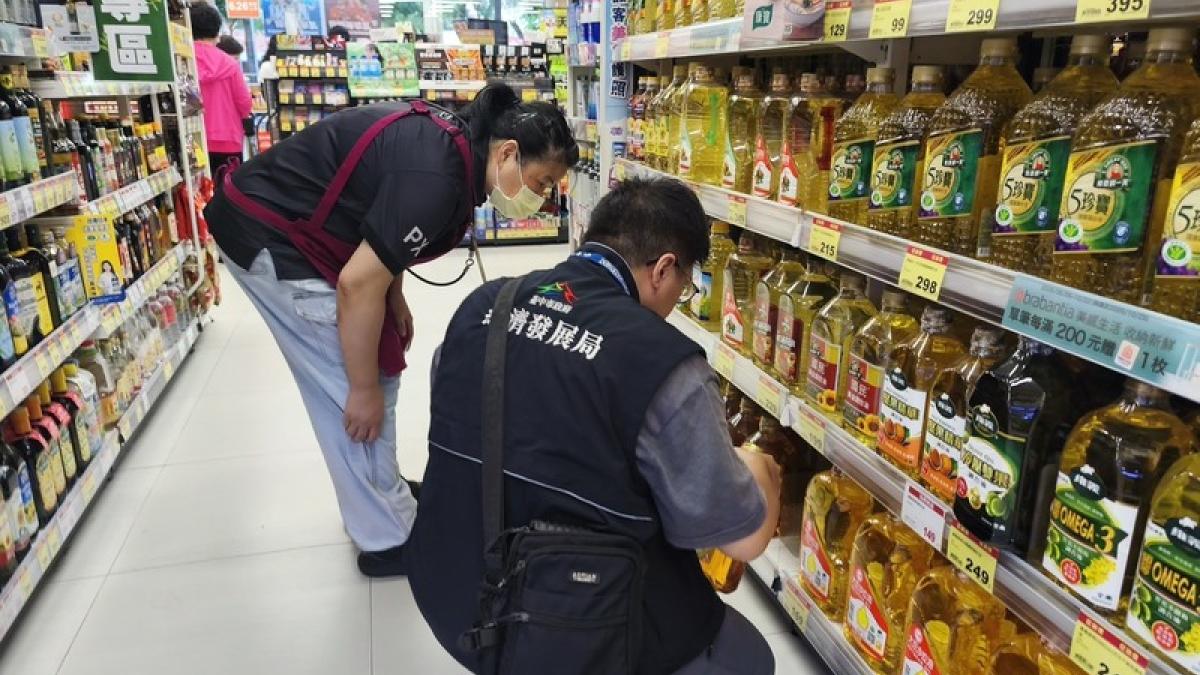
The cancer-causing oil scandal continues to escalate, with Taisho Sugar exposed for detecting benzopyrene超标 in a batch of oil from Chung-Lien back in May but failing to report it to the competent authority. Minister of Health Shih Chong-liang stated yesterday (2nd) that Taisho Sugar returned the 'raw oil' to Chung-Lien based on its own acceptance criteria, which he claimed was entirely different from the requirement under the Food Safety Act to report when 'edible oil products' are found non-compliant.
In response, writer Pinglang Island posted on Facebook, directly criticizing this attempt to separate 'raw materials' from 'finished products.' He argued that if such a distinction is allowed—where unprocessed raw materials are excluded from reporting obligations—then even if another toxic oil incident occurs in the future, Taisho Sugar would still have no duty to report.
Public anger has surged after revelations that Taisho Sugar had already detected超标 levels of toxic oil in May but did not inform the government. Pinglang Island pointed out that Taisho Sugar, the government, and online supporters have been aggressively pushing the narrative that Taisho Sugar differs from Nanchiao because the oil tested was 'raw material,' specifically crude semi-processed oil that had not entered the production line, and therefore, legally speaking, they were not obligated reporters.
However, Pinglang Island emphasized that Article 7 of the Food Safety Act clearly states: 'Food businesses shall report their products’ raw materials, semi-finished or finished goods... When food businesses discover that their products pose a potential threat to hygiene and safety, they must immediately cease manufacturing, processing, sales, initiate recalls, and report to municipal or county-level competent authorities.' The term 'product' here includes raw materials, semi-finished goods, and finished products, covering stages both before and after processing. Moreover, the phrase 'potential threat' means that once a food safety risk is suspected, proactive reporting is required.
The Ministry of Health claims no reporting was needed because the 'raw oil did not enter circulation,' but Pinglang Island criticized this as the 'cutting method.' He argued that it is wrong to exclude raw materials not yet in the production process from reporting duties or to treat discovered risks as none of one’s business. Just as one has no duty to report rotten vegetables discarded on the ground at a market, if a vendor is selling rotten vegetables or if those vegetables could potentially be used in food preparation, one should take initiative to report it. Like the elderly farmer in Pingtung who previously reported illegal recycling of waste oil—he was not an obligated reporter either, yet became a national hero for safeguarding food safety.
More importantly, Pinglang Island stressed that if Taisho Sugar is deemed to have no reporting obligation, then the administrative院's revised Food Safety Act, which imposes heavy fines up to NT$30 million, will still be unable to punish Taisho Sugar. Under this 'cutting method' logic, even after legal amendments, if a similar toxic oil case reoccurs, Taisho Sugar will still have no reporting duty, no concealment issue, and the public will remain unaware—forced to wait only for government investigations or for another obligated reporter to come forward—without knowing how long they’ve already consumed toxic oil.
More exclusive inside stories from Wind Media: · Taisho Sugar Knew About Chung-Lien’s Toxic Oil in May — 'Strongest Farmer' Mocks Southern City Leaders: Inspections Turned Into a Joke · Who Is Covering Up the Toxic Oil? Taisho Sugar Detected Benzopyrene超标 in May But Didn’t Report — Doctor Lists 3 Doubts: Did Premier and Minister Really Not Know? · Did Taisho Sugar Know About Chung-Lien’s Toxic Oil in May But Stay Silent? Writer Compares Nanchiao ‘Whistleblower Punished’ — How Should Kaohsiung City Respond?
FACT BOX
- Source: PR Times
- Category: News