Suicide prevention slogan Suicide prevention slogan
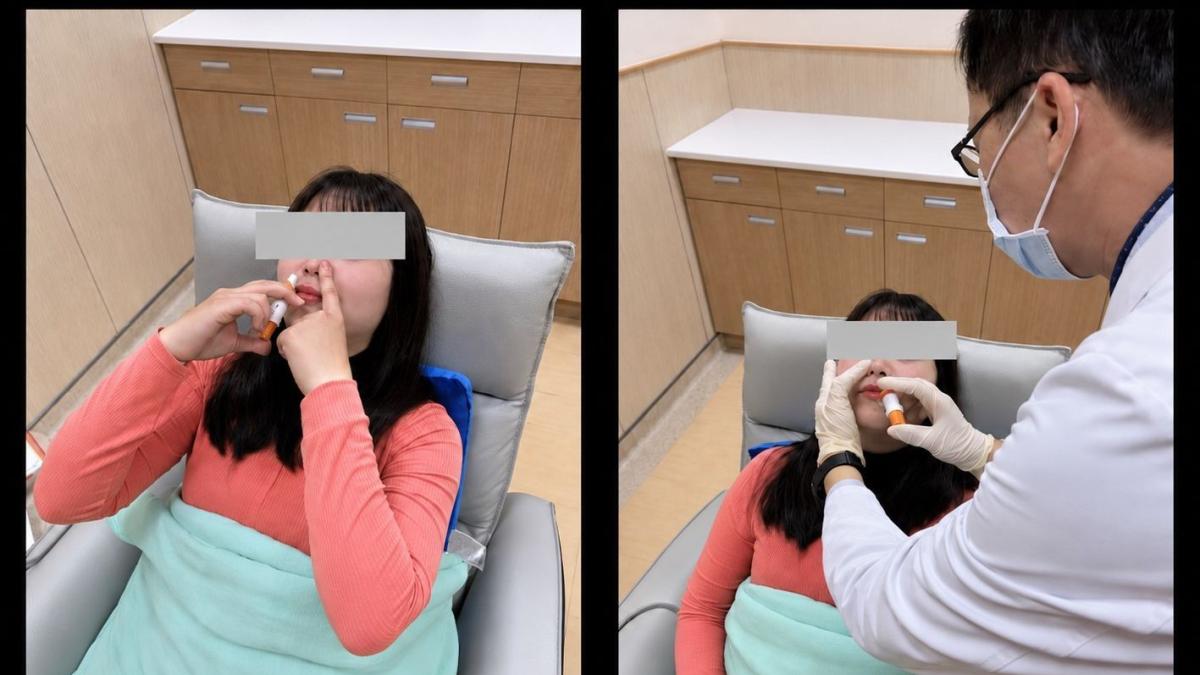
A groundbreaking treatment approach implemented by Chi Mei Medical Center represents a major advancement in psychiatric care. For patients diagnosed with treatment-resistant depression who showed no response to multiple antidepressants, a combined therapy using 'esketamine nasal spray' and 'accelerated intermittent theta-burst stimulation (iTBS)' was administered.
This treatment begins with the administration of esketamine nasal spray, which provides rapid-acting antidepressant effects. Esketamine, known as an NMDA receptor antagonist, modulates neural transmission through mechanisms distinct from conventional SSRI antidepressants. In some cases, improvement in depressive symptoms can be observed within hours.
To sustain and enhance this effect, accelerated iTBS—a non-invasive brain stimulation therapy—is used in conjunction. iTBS targets the left dorsolateral prefrontal cortex (DLPFC), delivering high-frequency magnetic pulses in concentrated bursts to promote neuroplasticity. While standard protocols involve daily sessions over two to three weeks, this accelerated protocol administers multiple sessions per day over a shorter period, aiming for rapid symptom relief.
Clinical data indicate that this integrative approach has led to a rapid reduction in suicidal ideation among many patients, facilitating their return to daily life. Particularly for high-risk patients requiring emergency psychiatric intervention, this method is gaining attention as a swift and safe therapeutic option.
The attending physicians at Chi Mei Medical Center stated, 'This is a significant achievement demonstrating the effectiveness of multimodal approaches for treatment-resistant cases where monotherapy has limitations,' suggesting potential implications for future guideline revisions and expanded insurance coverage.
In recent years, suicide prevention has become an urgent public health priority in Taiwan, with increasing demands for enhanced mental health support, especially among younger populations. The dissemination of such advanced therapies is expected not only to improve regional healthcare quality but also to contribute to societal well-being.
Future plans include further clinical studies to clarify patient eligibility criteria and evaluate long-term efficacy. Research into potential applications for other psychiatric disorders has also begun.
FACT BOX
- Source: PR Times
- Category: News