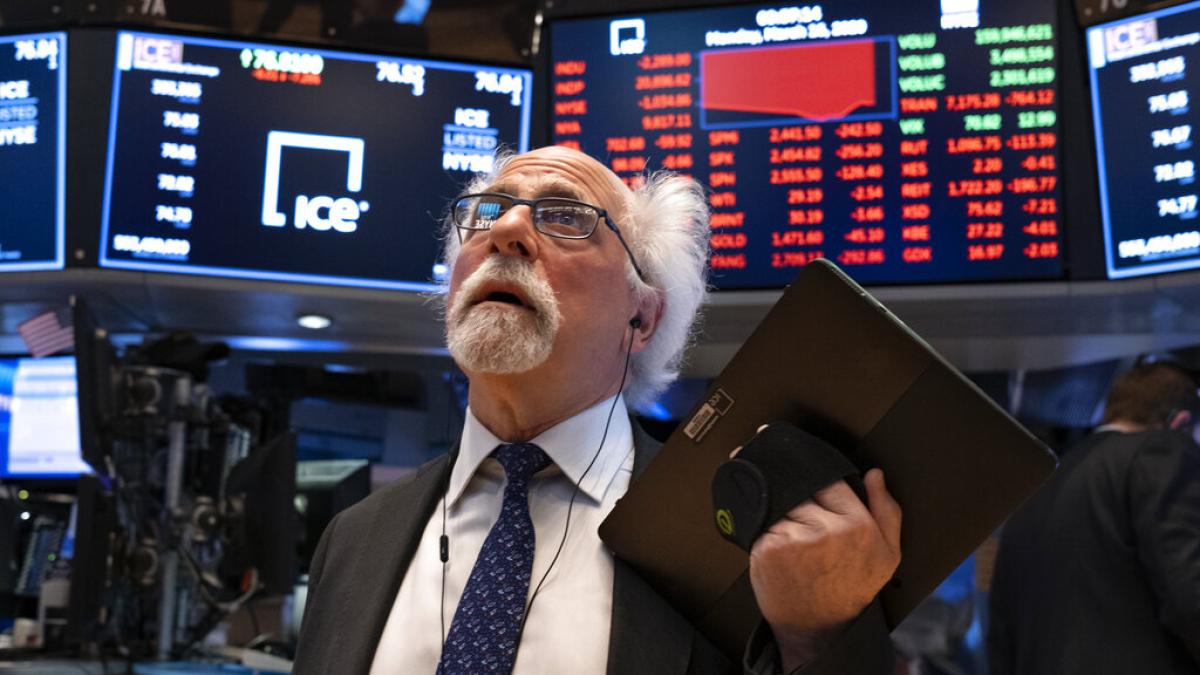
In the past, large-scale bubbles typically took years to form, building from capital inflows and investor euphoria to eventual price collapse. Today, financial market cycles have accelerated dramatically—fueled by social media, leveraged trading tools, and abundant liquidity—allowing market frenzies to complete full cycles in just months. The recent volatility in the memory chip market exemplifies this trend.
This semiconductor investment surge, driven by expectations of AI demand, rapidly expanded over just four months before sharply cooling. Massive capital inflows pushed up valuations and market caps, but as the market began reassessing demand and valuations, asset prices quickly corrected.
On the surface, this bubble burst erased trillions in wealth almost overnight. Yet, the impact on broader equity markets has been surprisingly limited. The S&P 500 is only about 1.6% below its all-time high, and the S&P 500 Equal Weight Index—which reflects average market performance without being skewed by mega-cap stocks—has recently hit new highs.
This suggests capital hasn't fled the market but has instead rotated across sectors. While AI-related stocks face pressure, gains in other areas have offset the tech-led correction.
The Recurring Script of the Past 15 Years: Capital, Speculation, and Technological Dreams
James Mackintosh, senior markets columnist at The Wall Street Journal, notes that for those studying bubble history, the repeated emergence of 'mini bubbles' in recent years is no surprise.
After the 2008 financial crisis, the world entered a prolonged low-interest-rate environment. Central banks injected massive liquidity through monetary easing, pushing investors to seek higher returns. Stories of technological breakthroughs and industrial revolutions became key narratives to attract capital.
The ingredients for a bubble haven't changed much over centuries. From canal construction and railway investments to the 19th-century British bicycle mania, nearly every market bubble has shared three core elements: abundant capital inflows, investors' desire for quick wealth, and belief in transformative new technologies.
What's different now is that these factors have been amplified post-crisis. In the 2010s, central banks' low-rate policies were the primary fuel. During the 2020 pandemic, massive fiscal stimulus added even more liquidity. More recently, margin trading, leveraged ETFs, and other financial instruments have further accelerated asset price inflation.
At the same time, the investment landscape has transformed: zero-commission trading, democratized platforms, and social media-driven information flows have made stock trading more gamified and entertaining, encouraging investors to chase high-risk, high-volatility assets.
From Cryptocurrencies to SPACs: Each Bubble Has Its Own Narrative
Over the past decade, markets have seen multiple localized bubbles. Around 2017, cryptocurrencies became the new obsession. From 2020 to 2021, green energy stocks surged on global decarbonization themes. At the same time, SPACs (Special Purpose Acquisition Companies) triggered a wave of speculative listings.
These episodes share a common trait: investors believed a new technology or business model would reshape the future, justifying early, aggressive capital deployment. But when expectations outpaced actual business results, bubbles formed.
Some bubbles weren't entirely valueless. Green energy investments, for instance, may have seen many stocks collapse, but supporters argue they advanced the energy transition and delivered long-term societal benefits. Others, like many cryptocurrency projects and failed SPACs, resemble pure capital waste.
The core problem is that during market manias, capital struggles to distinguish between genuinely transformative innovation and pure speculation driven by sentiment.
Why Haven't Recent Bubbles Triggered Financial Crises?
Despite repeated bubbles, most haven't escalated into systemic crises like 2008. The key reason: these bubbles weren't primarily financed by bank lending.
When asset prices collapse, investors suffer losses—but since financial institutions haven't accumulated massive exposure, credit markets don't freeze. Global macro strategist Russell Napier notes that banking systems remain healthy, preserving their ability to extend credit and support future investment cycles.
But this creates a concerning feedback loop: as long as the financial system stays stable, capital will keep chasing the next hot theme, fueling new bubbles.
The $7 Trillion AI Investment Surge: The Next Bubble?
Markets now face a new test. AI has become the hottest investment theme in global capital markets. Tech giants are aggressively investing in data centers, chips, and cloud infrastructure to gain an edge in next-generation tech.
Yet, questions are mounting: can such massive spending translate into real productivity gains?
Estimates suggest that over the next four years, global investment in AI data centers and related infrastructure could reach $7 trillion. If companies fail to generate returns matching this capital outlay, it could lead to massive capital misallocation—and even drag down overall economic growth.
More alarmingly, AI investments are increasingly debt-financed.
Past mini-bubbles didn't threaten the financial system because losses were confined to investors. But if the AI boom proves to be overhyped and companies have borrowed heavily to fund expansion, risks could spill from equities into credit markets.
Then, an AI bubble wouldn't just be a problem for tech investors—it could become a systemic risk no financial player can ignore.
More独家 insights from Wind Media:
- Market Bulls vs. Bears Clash! Tech Earnings and Fed Decisions Confuse Investors—Another Challenge This Week - US and Japan Joint Market Support Shakes Forex! Can the Yen Escape Weakness After Its Surge? The Real Test Begins - The Bond Honeymoon Is Over? Markets Send Warning Signals to Powell—The Fed Faces a Crisis of Confidence
FACT BOX
- Source: PR Times
- Category: News