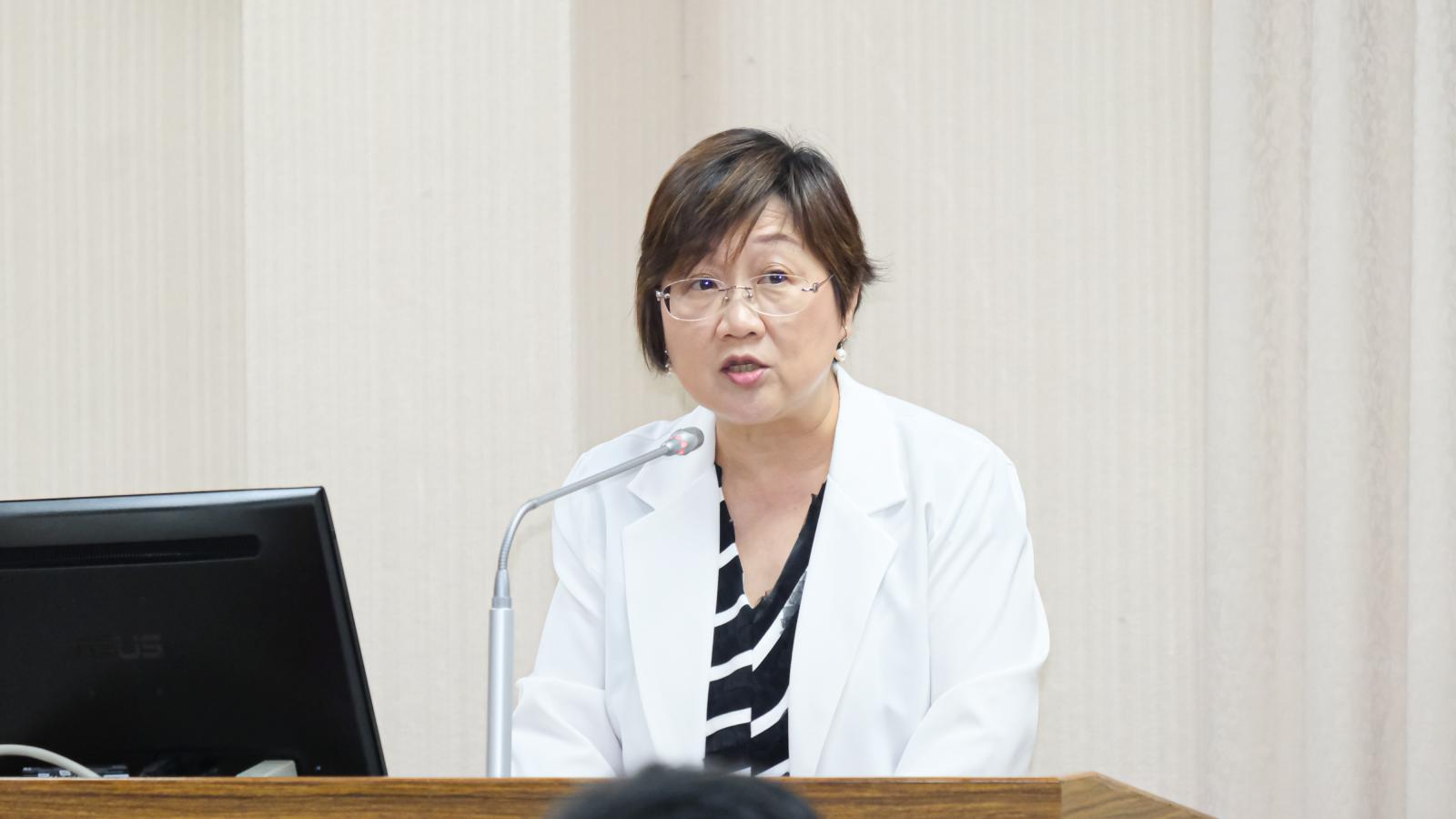
Overseas Compatriot Affairs Council (OCAC) Minister Hsu Chia-ching was recently criticized by the Taiwan People's Party caucus for spending approximately NT$1.15 million on a 26-day overseas trip visiting seven countries, while only submitting a 5-page public report—drawing accusations of "fake inspection, real tourism." On April 4, Hsu appeared on the program POP Collision News to defend herself, stating that when Chang Hsiao-yen (Chiang Hsiao-yen) served as OCAC Minister, he refused to stay in any hotel below five-star standard and routinely brought his wife on official trips. Hsu emphasized that reports come in both abridged and detailed versions, a practice approved in 2015 during former President Ma Ying-jeou's administration by then-minister Chen Shih-kuei.
In response to criticism over the brevity of the report, Hsu explained that she did not rest during the 26-day trip and visited a total of 10 locations. She reviewed the past 30 years of OCAC ministers, noting that the first minister, Chang Hsiao-yen, served for four years and, frankly, "back then, ministers didn’t write reports like this at all!" During Chang’s tenure, there were no formal reports—only overseas telegrams filed by diplomatic staff noting where the minister had gone.
As for why only a 5-page summary is publicly available online, Hsu clarified that this was in accordance with a 2015 directive by then-minister Chen Shih-kuei, following a records request by legislator Yang Yao. Chen authorized that OCAC reports would be classified as restricted access due to confidentiality clauses. The council had historically used its own travel status forms instead of the Research, Development, and Evaluation Commission’s standardized overseas report format. Going forward, an abridged version would be uploaded online, while the full detailed report could be provided upon request by legislators.
Hsu also shared anecdotes from senior overseas compatriots, including a story from 30 years ago in New York. A group of overseas Chinese waited at the entrance of a hotel to welcome Minister Chang, only to see him turn around and leave without entering. They later learned it was because the hotel was not five-star rated, so he refused to stay. In contrast, Hsu stressed that she traveled alone to save costs. During Chang’s era, delegations typically included six or seven staff members, plus his wife.
Additional exclusive reports from Storm Media include: Hsu’s inclusion of dessert consumption as a classified activity drew criticism from commentator Chen Feng-hsin, who lamented, "The DPP has grown so arrogant they assume they shouldn’t be supervised." The Taiwan People's Party also revealed the full itinerary, questioning how movie-watching and dessert-eating could be considered confidential. Meanwhile, Shen Cheng-nan compared OCAC’s report with that of the Mainland Affairs Council’s Vietnam trip, noting Hsu’s trip appeared to be a solo European and American tour with little substantive work.
FACT BOX
- Source: PR Times
- Category: News