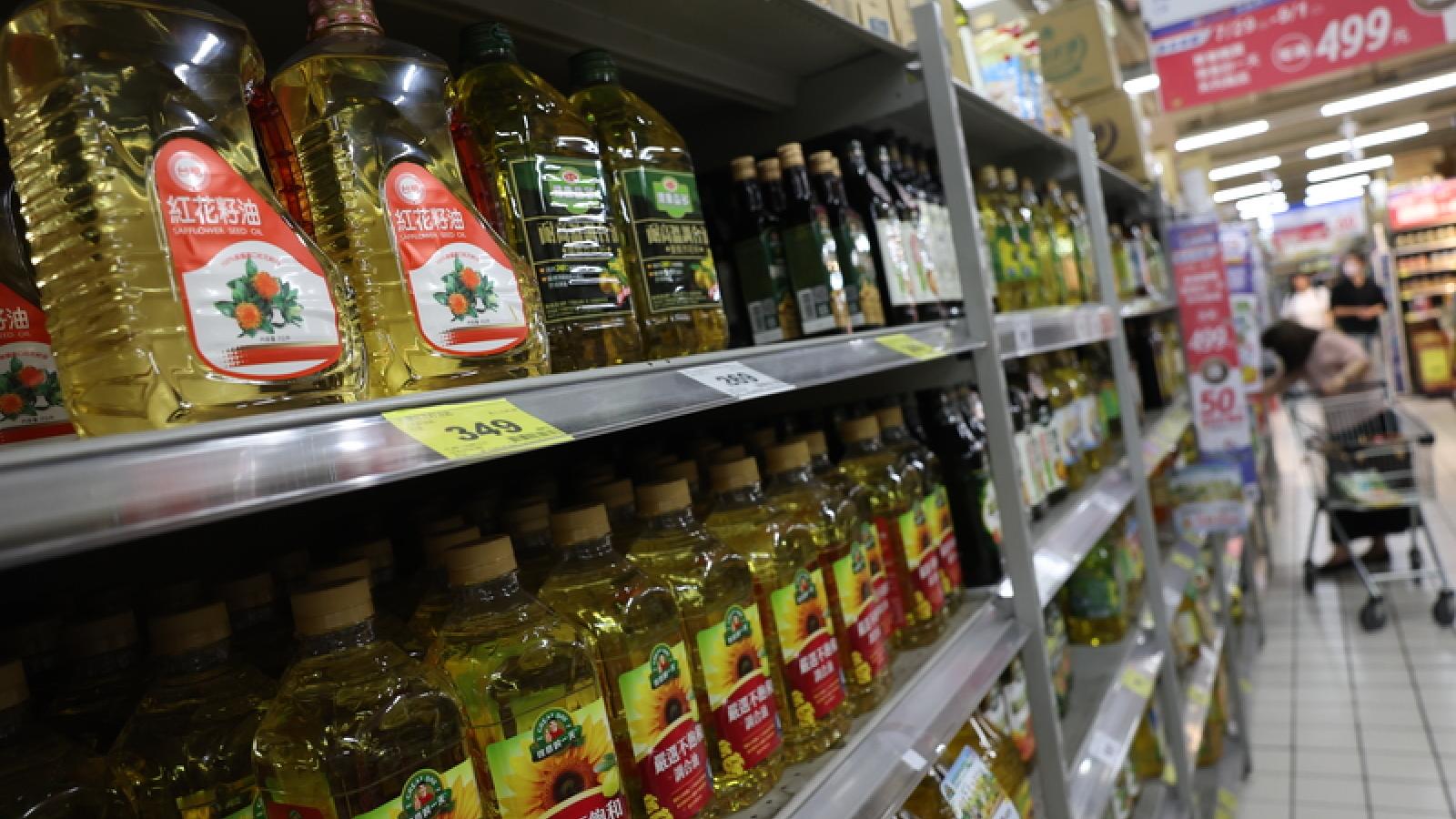
With the 2026 county and city mayoral elections approaching, the long-burning major food safety incident—the Chung Lien Oils 'toxic oil case'—shows no signs of abating. The latest controversy now centers on Taisugar, as court documents from Taichung District Court reveal the company detected benzopyrene超标 in raw oil supplied by Chung Lien as early as May but failed to report it to regulatory authorities.
In response, writer Pinglang Daoyu posted on Facebook today (4) under the title 'The Toxic Oil Blame Game,' criticizing the Ministry of Economic Affairs for claiming Taisugar had no legal reporting obligation because the contaminated oil was semi-processed raw material, not a finished product covered under the Food Safety Act. This justification has sparked public fury, with critics accusing the government and Taisugar of dodging responsibility. Pinglang argues that this 'no legal duty' logic could equally apply to Taichung City Government.
Why has the toxic oil scandal persisted? Why is Taisugar under scrutiny?
The case has now expanded into judicial investigations over possible delayed reporting and concealment of test results. After bitter tea oil was also found to contain超标 benzopyrene, recent revelations show Taisugar detected超标 levels in Chung Lien’s raw oil in May but only notified Chung Lien to return the batch—without reporting to authorities. This has made 'who knew first' and 'was reporting legally required' the new focal points.
Taisugar insists the tested product was unrefined 'crude soybean oil' raw material, not edible finished oil, and therefore not a legally reportable item under the Food Safety Act. After receiving the SGS report, the company rejected the shipment per contract terms. The batch remained in Chung Lien’s storage tanks, never entering Taisugar’s facilities or production lines, and did not enter any Taisugar consumer products.
Does Taisugar truly have no reporting obligation? Who is responsible when oil safety fails?
In response to criticism over Taisugar’s failure to report despite knowing the results, Minister of Economic Affairs Kung Ming-hsin stated on the 3rd that if local governments had conducted more inspections earlier, unscrupulous manufacturers would have been deterred, potentially preventing the incident. He emphasized that Taisugar is merely a buyer, not a regulatory inspector or legally mandated reporter—the responsibility lies with Chung Lien to report to local authorities.
Pinglang Daoyu counters that while the Food Safety Act assigns inspection duties to local governments, benzopyrene is not a legally required test item. Thus, lack of inspections—even long-term—does not violate the law. If the Green camp continues to accuse Taichung City Government of negligence, then Taichung could similarly invoke 'no legal duty to conduct full inspections' and reject calls for exhaustive probes.
He criticizes the double standard: if officials claim local diligence could have prevented toxic oil from reaching the market, then Taisugar’s early reporting could have reduced public exposure. Now, both central and local authorities hide behind legal technicalities, proudly declaring 'no obligation,' while demanding others do more—a classic case of strictness toward others, leniency toward oneself.
He sarcastically adds: if businesses can hide carcinogenic oil without full inspections or public alerts, the public need not worry—after all, as officials say, 'no one forced you to eat it.' The High Prosecutors Office clarifies that administrative agencies must not stretch legal interpretations infinitely; legal liability must be determined by courts, not officials’ statements.
He concludes: if entities refuse to admit fault and hide behind legal clauses, they cannot escape legal accountability. Beyond penalties and criminal convictions, public fury may turn votes into tools of revenge. Only then will they realize citizens have no obligation of political loyalty.
FACT BOX
- Source: PR Times
- Category: News