Chen Pei-chi, wife of former Taiwan People's Party chair Ko Wen-je, recently traveled to mainland China with her son and shared on Facebook that she used her 35 years of pediatric experience to provide emergency aid to a child suffering from abdominal pain during a high-speed rail journey—prompting immediate online backlash. Allies of the Green Camp questioned the improbability of the rescue, suggesting it was a politically orchestrated script. Why is Lai Qingde's emergency aid hailed as 'compassion,' while Chen Pei-chi's act is labeled as (or accused of being) 'united front propaganda'? Is this genuine kindness, or a staged performance?
During the summer holiday, Chen visited Shanghai, Hangzhou, and Beijing for nearly ten days. On July 29, she wrote on Facebook that the place where she spoke the most with locals was actually the high-speed train from Hangzhou to Beijing. Around halfway through the journey, she heard an announcement that someone was unwell. She immediately retrieved medicine and an oximeter from her luggage and rushed to assist, alleviating the child’s symptoms. She expressed personal joy and a sense of accomplishment from the experience.
Chen mentioned this rescue briefly in a longer Facebook post, which was quickly picked up and positively reported by several Chinese state media outlets, including China News Service. However, Green Camp allies criticized the incident as 'too coincidental,' sarcastically calling it a poorly crafted political script. They raised three main concerns:
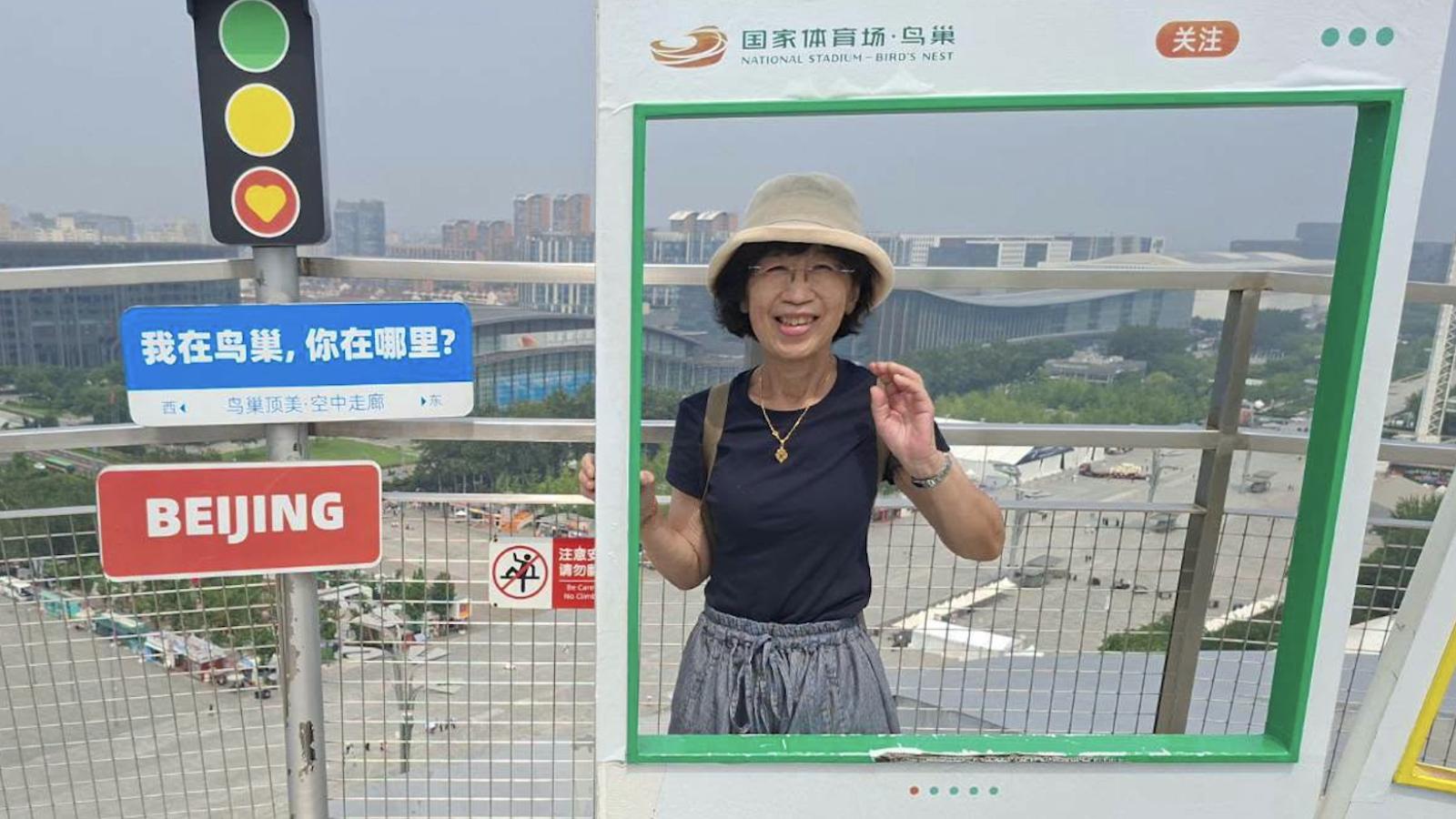
First, 'Authenticity': Was the rescue a natural occurrence, or was it staged for publicity? Chen posted about the event after arriving in Beijing's Bird's Nest, recounting the incident retrospectively. While there are suspicions, no direct evidence of fabrication has emerged.
Is medical aid subject to geographical discrimination?
In fact, similar incidents are not uncommon in Taiwan's political arena. President Lai Qingde, a former physician, has repeatedly encountered medical emergencies during public appearances—far more frequently than other politicians. Documented cases number at least 11, including incidents on airplanes and in overseas diplomatic nations. In February, while distributing red envelopes in Pingtung, Lai assisted a woman who suddenly fainted. Media reports indicate Lai has publicly aided or cared for at least 11 people suffering sudden health issues since entering politics. Even Ko Wen-je joked, 'He’s not an emergency specialist—how does he keep running into these situations?'
When a Lions Club member fainted during a presidential palace visit, President Lai transformed into 'Doctor Lai' to provide care. (Screengrab from Chiu I-ying’s Facebook video)
Taiwan’s double standard is clear: A physician encountering 11 emergencies in public is 'compassionate,' while a retired pediatrician helping one patient during travel is accused of a 'crude script.' What’s the difference? Isn’t it simply the identity of the patient?
Chen recalled previously helping a Vietnamese woman suffering an asthma attack on an EVA Air flight, which she also posted about—yet no one questioned its authenticity. But now, helping a mainland child on a Chinese high-speed train, the Green Camp suspects a script. Has medical professionalism become geographically biased? Isn’t this colored by prejudice and ethnic discrimination?
Who bears responsibility for the safety of Taiwanese in China?
Second, 'United Front Ties': Did Beijing fund Chen’s trip? Were there hosted arrangements? Chen later released detailed expenses for her nine-day, eight-night trip, confirming it was fully self-funded. Accommodation for eight nights totaled approximately NT$11,000, and high-speed rail tickets from Shanghai to Hangzhou and Hangzhou to Beijing for two people cost around NT$9,700. Local transportation primarily used buses and subways. Traveling to mainland China was significantly cheaper than trips to Europe, the U.S., or Southeast Asia. Moreover, Chen’s act of saving a life during her trip showcased the competence and compassion of Taiwan-trained medical professionals. Is this 'being united fronted' or 'resisting united front propaganda'? She also took a jab at Overseas Compatriot Affairs Commission Chairperson Hsu Chia-ching, recently embroiled in controversy over lavish government-funded overseas trips.
Third, 'Representativeness': Chen mocked the DPP government’s 'orange travel alert' by stating, 'I wasn’t disappeared, interrogated, or missing any organs.' Green Camp rebuttals argued that one individual’s safe trip doesn’t negate other cases of Taiwanese being questioned, detained, or going missing in China. According to the Mainland Affairs Council (MAC), from 2024 to mid-July 2026, a total of 402 Taiwanese have gone missing, been detained, or had their freedom restricted in China, indicating a significant rise in travel risks.
Ironically, the MAC and SEF, tasked with cross-strait affairs, have failed to act, instead shifting responsibility to individuals. The government has a duty to warn and assist—not just issue an orange alert and demand self-verification from citizens, then send all consequences back to the Taiwanese people. During the 402 incidents, what concrete actions did the MAC and SEF take?
The TPP caucus criticized the MAC and OCAC for publishing superficial overseas trip reports. OCAC Chairperson Hsu Chia-ching claimed online reports are redacted to prevent sensitive information from falling into CCP hands. (Central News Agency)
Is 'anti-China' a one-size-fits-all excuse?
Frankly, instead of scrutinizing Chen Pei-chi’s trip to the mainland, greater oversight should be placed on Hsu Chia-ching’s overseas trip report. Her report, written in the third person, reads like a travel agency advertisement—filled with dinner parties, movie viewings, and eating French pastries, lacking substantive exchange outcomes. The 26-day trip cost NT$1.15 million in public funds. Hsu refused to disclose detailed expenses, citing 'sensitivity' to prevent mainland access to personal data—turning 'anti-China' into a blanket excuse for wasting public money.
In response to criticism, Hsu retorted, 'Of course personal and classified information in reports can’t be disclosed—do you want me to strip naked for the CCP?' Ironically, Hsu had already allowed media coverage of her 'eating French pastries' moment—photos and even the café’s location are searchable on Google. Should Chairperson Hsu sue that media outlet for leaking state secrets?
Why is Chen Pei-chi’s high-speed rail rescue labeled a 'script,' while Lai Qingde is allowed to show 'compassion'? Why is she accused of being funded by Beijing and aiding united front propaganda? Taiwanese goodwill is being politically tainted. Instead of investigating Chen’s train ticket, why not investigate Hsu’s French pastry bill? When will the 'sensitive' NT$1.15 million in public funds be made transparent?
FACT BOX
- Source: PR Times
- Category: News