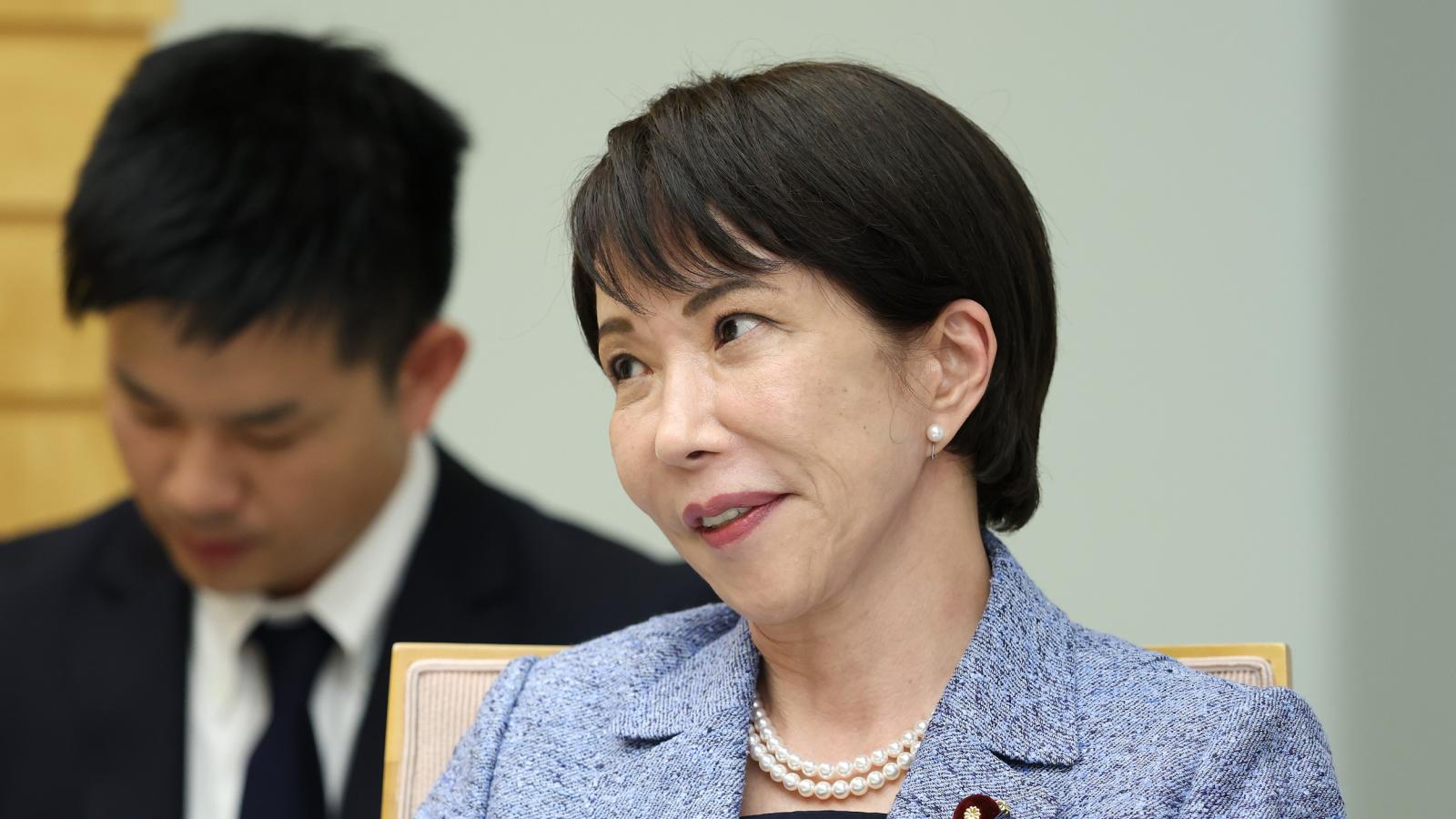
A magnitude 7.1 earthquake struck Kumamoto Prefecture, Japan, on the afternoon of the 28th, causing severe damage. On the 30th, Japanese Prime Minister Koshi Hisanao issued bilingual Japanese-English statements expressing gratitude to the international community for their support and condolences. However, President Lai Qingde of Taiwan, who was among the first to offer condolences and financial aid, was initially omitted from the list of leaders acknowledged. The next day, Koshi issued a revised statement, adding Taiwan after receiving widespread attention, thanking 'nations and regions, international organizations' for their warm messages and support proposals.
Taiwan responded swiftly to the Kumamoto earthquake. President Lai Qingde immediately posted a condolence message in Japanese on the social media platform X, expressing sincere sympathy on behalf of the Taiwanese people. He emphasized that Taiwan and Japan are 'true friends in times of hardship,' stated that Taiwan is closely monitoring the situation, and is ready to provide necessary assistance at any time. He also extended blessings for the safety and recovery of those affected.
However, in Koshi Hisanao’s initial list of thanked leaders, President Lai was conspicuously absent. Only after public backlash did Koshi issue a follow-up statement, including Taiwan in a revised list. The updated thank-you list was ordered as follows: Albania, Australia, Azerbaijan, Belgium, Brazil, Bulgaria, Cambodia, Canada, China, Croatia, Czech Republic, Djibouti, Egypt, El Salvador, Fiji, Finland, France, Georgia, Germany, Greece, India, Iran, Israel, Italy, Jordan, Kosovo, Kuwait, Latvia, Lithuania, Maldives, Malta, Mexico, Mongolia, Nepal, Norway, Pakistan, Paraguay, Peru, Philippines, Portugal, Qatar, South Korea, Romania, Serbia, Slovakia, Sweden, Switzerland, Turkey, Ukraine, United Arab Emirates, United Kingdom, United States, Venezuela, Vietnam, Palestine, Taiwan, ASEAN Secretariat, SICA, European Union (EU), International Labour Organization (ILO), United Nations (UN), United Nations Development Programme (UNDP), United Nations University (UNU), and other international organizations.
In response, former legislator Guo Zhengliang, appearing on his program 'Liang Hua Tian Xia,' expressed outrage. He stated that upon reviewing Koshi Hisanao’s thank-you list, he was shocked to find Taiwan ranked 56th, behind Palestine. He argued that this clearly indicates Japan does not regard Taiwan as a country but as a region, effectively demoting its status. Guo criticized that this is how President Lai, who has expressed admiration for Koshi, is being treated—ranked below Palestine from positions 53 to 59—and called it diplomatically humiliating, questioning what kind of foreign policy Japan is pursuing.
The omission of Taiwan in the initial list, despite its prompt response, has sparked heated discussions among netizens in both Taiwan and Japan. Guo emphasized that Koshi realized the backlash and reissued the list, but the placement of Taiwan after Palestine sends a clear political signal. He pointed out that Taiwan’s position behind Palestine undermines its international dignity and reflects a lack of diplomatic respect.
This incident highlights the delicate nature of Japan’s diplomatic stance toward Taiwan, caught between maintaining friendly unofficial ties and avoiding provocation of China. While Japan values Taiwan’s support, its official communications continue to reflect a cautious approach, often categorizing Taiwan under 'regions' rather than 'countries' to comply with its 'One China' policy framework. However, such actions are increasingly perceived in Taiwan as symbolic downgrades, fueling concerns about the depth and sincerity of bilateral goodwill.
The controversy has reignited debates over Taiwan’s international space and recognition. Many in Taiwan feel that despite their consistent humanitarian outreach and shared values with Japan, they are still treated as politically subordinate. The ranking order—placing Taiwan after Palestine and several smaller nations—has been interpreted as a subtle but significant act of diplomatic marginalization.
Moving forward, this incident may strain the emotional bonds between the Taiwanese public and Japan, despite strong people-to-people ties. It also underscores the limitations of unofficial diplomacy and the challenges Taiwan faces in gaining equal recognition on the global stage. As regional tensions evolve, how Japan navigates its relationship with Taiwan—balancing principle, pragmatism, and geopolitical pressure—will remain a closely watched issue.
FACT BOX
- Source: PR Times
- Category: News