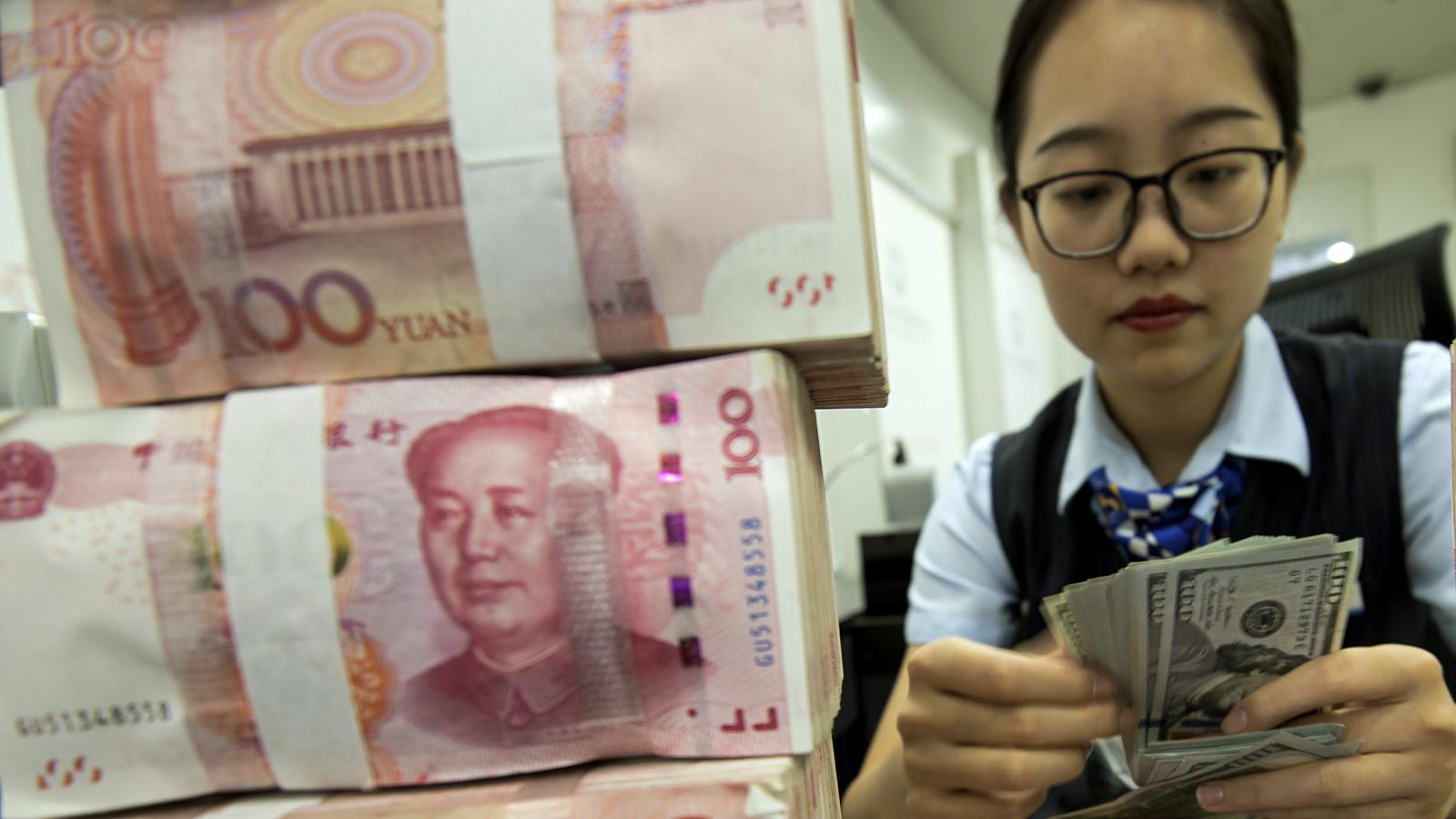
To fill a widening fiscal deficit, the Chinese government is preparing to launch a 'global tax crackdown' worth hundreds of billions of dollars. Beijing is significantly upgrading its scrutiny of overseas capital gains and investment returns held by its wealthiest citizens, with some cases追溯 as far back as 2000, while also tightening controls on capital outflows.
Multiple foreign officials, Chinese banking sources, and family office executives have confirmed to the Financial Times that Chinese financial regulators have announced plans to comprehensively review the overseas investment records of the wealthy to verify whether they have 'accurately declared' their assets to tax authorities. This tax reform specifically targets capital gains from overseas real estate, stocks, precious metals, and cryptocurrencies (Cryptocurrency), with authorities conducting detailed audits and calculations.
A private banking executive in southern China revealed that in recent months, major Chinese banks have begun actively cooperating with tax authorities by freezing the accounts of wealthy depositors until they pay taxes and fines on overseas assets and trust capital gains. 'The most common scenario is that these named individuals immediately pay in cash to quickly unfreeze their accounts,' the source said.
The追溯 period varies by case. A family office head in Shenzhen noted that one client was asked to pay back taxes on overseas capital gains from 2017 to 2022, though officials did not explain why those specific years were selected.
Victor Shih, Professor of Chinese Political Economy at the University of California, San Diego (UCSD), analyzed that the clear motivation behind this move is fiscal pressure. With the property market collapsing, China's state land sale revenue plummeted from 8.7 trillion RMB (approximately NT$41.6 trillion) in 2021 to 4.15 trillion RMB (approximately NT$19.9 trillion) in 2025. Overall budget revenue in 2025 declined slightly by 1.7% to 21.6 trillion RMB, forcing authorities to target the wealthy.
In addition to auditing past tax liabilities, China's Ministry of Finance and State Taxation Administration jointly announced a bombshell in July: closing loopholes in offshore trust (Offshore Trusts) asset transfers. The new rules impose a 20% heavy tax on income generated from offshore trusts, eliminating the previous tax avoidance advantages.
A Singapore-based private banker assisting wealthy Chinese clients described the reaction as 'extreme shock.' 'Many used offshore trusts to hold listed stocks (such as IPOs in Hong Kong or the U.S.) for tax avoidance—this advantage has now vanished.' Experts predict many trust holders will face a one-time massive tax burden, potentially forcing some wealthy individuals to sell overseas assets to raise funds.
Ye Yongqing, partner at Anli Law Firm in Shanghai, pointed out that China is gradually aligning with the U.S. 'worldwide taxation' system, thereby shrinking the space for domestic millionaires to shift funds overseas or build offshore tax avoidance tools.
Data suggests these measures are already showing results. Thanks to special audits on overseas gains such as Hong Kong stock trading, China's 2025 individual income tax revenue grew 11.5%, far exceeding the overall tax revenue growth of just 0.8%.
An immigration agency head told foreign media that Beijing's first target is wealthy individuals trading U.S. stocks via Hong Kong or offshore channels. The next phase will comprehensively investigate financial deposits in Hong Kong and overseas banks, followed by overseas real estate.
Moreover, the ambiguous definition of 'tax resident' is heightening panic among the wealthy. Unless they formally renounce Chinese citizenship and reside outside China for extended periods, individuals may still be deemed tax residents—even if they spend fewer than 183 days in China annually—and be required to pay back taxes.
David Lesperance, a senior Asia-based cross-border legal expert, revealed that Chinese tax authorities are using AI technology to rapidly conduct forensic analysis of historical investment records, drastically reducing audit costs and time. Facing this sweeping tax crackdown, at least six ultra-high-net-worth Chinese clients on his roster have decided to accelerate their emigration and asset transfer plans from China by 2026.
FACT BOX
- Source: PR Times
- Category: News