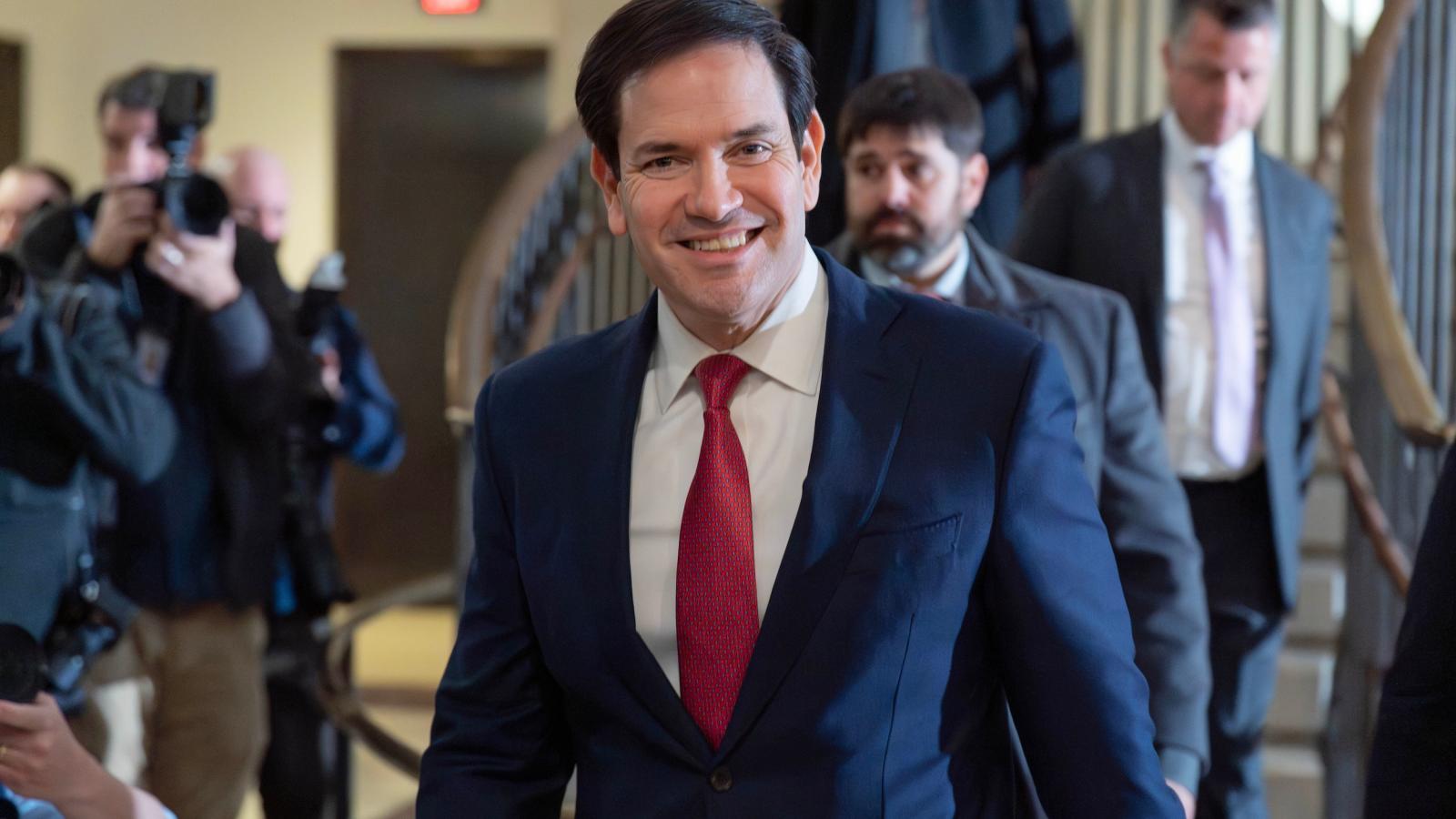
U.S. Secretary of State Marco Rubio confirmed on August 4, Eastern Time, that negotiations to facilitate the reopening of the Strait of Hormuz have made significant progress. This is the clearest signal yet, amid rising tensions in the Middle East, that diplomatic efforts may succeed in unblocking this critically important global maritime shipping route.
Rubio stated that talks led by Oman and Iran are ongoing with U.S. involvement, though he emphasized that no final agreement has yet been reached. According to CBS News, Rubio said publicly on August 4: 'Progress has indeed been made, but the final outcome has not yet been finalized. We hope to have a clear conclusion in a very short period of time.'
Bessent: Reopening the Strait Could Happen 'Today or Tomorrow'
It is understood that current negotiations are focused on ensuring the safe passage of commercial vessels through the Strait of Hormuz in the near term, while broader issues such as Iran's nuclear weapons program and a comprehensive ceasefire are being discussed in parallel.
Prior to this, President Trump announced on August 3 the postponement of a major military strike against Iran. Trump stated at the time that the delay was to give the Tehran government a final chance to negotiate before carrying out a 'decapitation' operation, saying: 'I want to give them one last chance before executing the decapitation. Let's see how things develop.'
In addition to the Secretary of State, Treasury Secretary Scott Bessent expressed confidence in diplomatic negotiations earlier on August 4. Speaking to U.S. media CNBC, Bessent indicated that diplomatic mediation is gaining momentum and that an agreement to reopen the Strait of Hormuz could be reached 'today or tomorrow.' He emphasized that substantial breakthroughs have been achieved, and restoring commercial navigation through this strategic waterway will help bring the overall conflict back to a relatively controllable state while long-term negotiations continue.
Markets Respond Positively to Diplomatic Signals
Encouraged by the positive signals from diplomatic talks, global financial markets reacted swiftly with a positive response. According to CBS News, U.S. stocks closed sharply higher on August 4, while oil prices declined significantly. Investors generally expect that a successful reopening of the Strait of Hormuz will effectively reduce the risk of further disruptions to global energy supplies.
Negotiations Remain Highly Sensitive and Uncertain
However, the negotiation process remains highly sensitive and uncertain. Reports indicate that talks are being mediated by Oman, with the focus on ensuring the safe passage of commercial vessels. Meanwhile, long-term negotiations on Iran's nuclear program are proceeding in parallel.
Iran has confirmed it is communicating with Oman on maritime safety but denies Trump's claim that broader direct talks between the U.S. and Iran are underway. Tehran continues to assert that it must maintain its influence over navigation in the Strait of Hormuz during the negotiations.
While diplomatic mediation advances, military confrontation has not ceased. On August 4, U.S. Central Command confirmed that since last month's reaffirmation of its maritime blockade policy, U.S. forces have diverted 45 commercial vessels attempting to enter or leave Iranian ports. During this period, U.S. forces boarded and inspected two vessels and caused two others to lose propulsion.
Houthis Claim Drone Attack on Saudi Airport Target
The Strait of Hormuz carries about one-fifth of the world's seaborne crude oil shipments, making it the most critical energy transportation chokepoint globally. The Trump administration has prioritized reopening this waterway to alleviate supply and demand pressures in the global energy market, while continuing to seek a long-term agreement to prevent Iran from acquiring nuclear weapons.
Fighting within the region further complicates the situation. Houthi militants, backed by Iran, claimed on August 4 to have used drones to attack an airport target in southern Saudi Arabia. However, as of the afternoon of August 4, Saudi officials had not issued an official response to the attack claim.
FACT BOX
- Source: PR Times
- Category: News