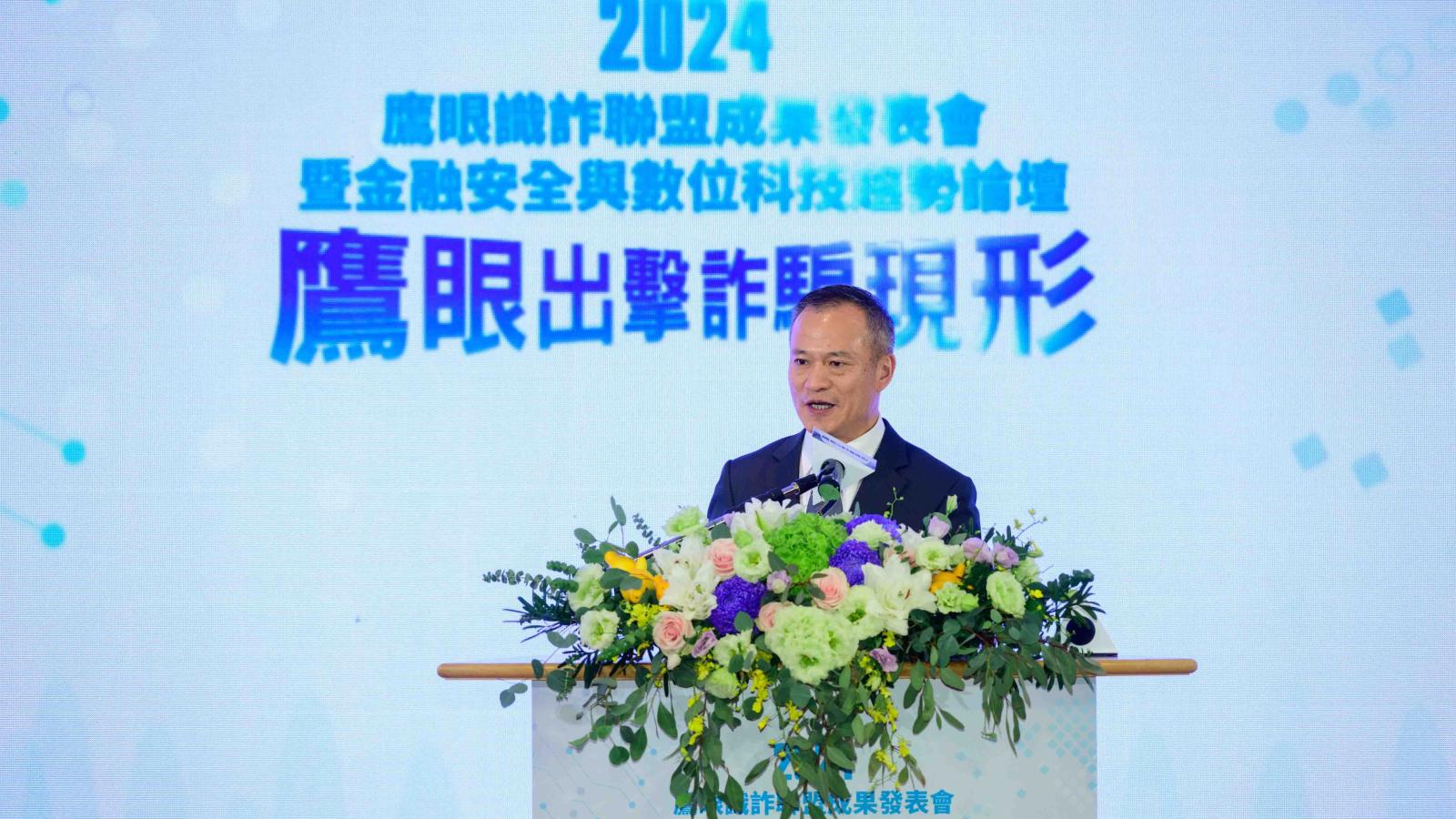
Jian Zhan-Ying, the current chairman of the National Agricultural Bank—often regarded as a leading institution in Taiwan's grassroots financial sector—formally submitted his resignation letter in the final week of June this year. After being persuaded and retained by officials from the Presidential Office, just one month later, rumors spread in the financial sector that Li Cong-Yong, Director of the Agricultural Finance Division under the Ministry of Agriculture (the supervisory authority for the National Agricultural Bank and 311 agricultural and fisheries credit cooperatives nationwide), is feeling fatigued and wishes to return to the general financial system. These developments have sparked public curiosity: What is happening to grassroots finance?
The National Agricultural Bank primarily sources its funds through time deposits transferred from agricultural and fisheries credit cooperatives, with interest rates exceeding 1.74 times those of demand deposits. Since these cooperatives are also shareholders of the Agricultural Bank, the bank hesitates to introduce large-denomination deposit interest rates discounted by around 55%—a common practice among commercial banks—fearing shareholder backlash. This results in substantial funding costs and profit pressure, triggering alarms over the bank’s capital adequacy ratio and constraining its lending and investment activities.
Take the Common Equity Tier 1 (CET1) ratio—the most fundamental and core of the three capital adequacy indicators. The latest disclosed figure for the National Agricultural Bank as of December 31, 2025, stands at 7.25%, dangerously close to the regulatory minimum of 7%. Starting in late 2024, the Agricultural Bank began planning a capital increase. However, with 311 shareholder cooperatives skeptical of the bank’s profitability and unwilling to contribute, progress stalled. Fortunately, with support from supervisory bodies like the Agricultural Finance Division, a 2 billion NTD capital injection from the Council of Agriculture was completed on July 13, 2025. As for the 3–4 billion NTD that private shareholders—mainly the 311 cooperatives, who previously held 62.41% of shares—should contribute proportionally, the Agricultural Bank will launch a series of outreach campaigns to persuade them. The outcome remains uncertain.
Li Cong-Yong, the 52-year-old Director of the Agricultural Finance Division (born 1974, native of Kinmen County), played a key role in securing the 2 billion NTD government-backed capital increase. Since the establishment of the Council of Agriculture’s Agricultural Finance Bureau on January 30, 2004, and its reorganization into the Agricultural Finance Division on August 1, 2023, Li has served as the longest-tenured and youngest director. He is also the first official to transfer from the Ministry of Finance system to the agricultural sector, making his potential departure noteworthy.
A close associate revealed that after over two decades in the grassroots financial system and 6.5 years as division director, Li feels fatigued and is open to returning to the broader financial sector.
Li graduated from Chung Yuan Christian University’s Department of Business Administration and National Chengchi University’s Institute of Public Administration. Friends note that growing up in the remote Kinmen region instilled in him a strong work ethic and sincerity. He began his career by passing the general civil service exam and joining the Land Bank of Taiwan as a clerk handling deposits and remittances. After about 1.5 years, he passed the higher civil service exam and joined the Central Trust of China (now merged into the Bank of Taiwan), where he worked on credit investigations and gold trading for another 1.5 years.
When the Ministry of Finance’s Financial Bureau (predecessor to the Financial Supervisory Commission’s Banking Bureau) opened recruitment for candidates with practical financial experience, Li was undeterred by starting from the bottom. He joined as a clerk and gradually rose to specialist. His unit, the Third Division, oversaw grassroots financial institutions. In 2004, when the Council of Agriculture established the Agricultural Finance Bureau, Li was invited by senior officials to join the agricultural sector as an auditor. 'He was there on the very first day the bureau opened,' a colleague recalled. He steadily advanced—section chief, specialist commissioner, deputy division chief, division chief, secretary-general, deputy director, and director—before transitioning to director of the restructured Agricultural Finance Division in 2023.
Industry insiders praise Li’s affable personality and strong relationships across the grassroots financial ecosystem, including credit cooperatives, the Agricultural Bank, the Agricultural Credit Guarantee Fund, and the Agricultural Training Association. He believed the Agricultural Finance Division should embody the spirit of 'offering an umbrella in the rain and warmth in winter.' During his tenure, he launched interest-free loans for young farmers and swiftly introduced low- or zero-interest loans after natural disasters to support farmers and fishers.
Li also played a pivotal role in establishing Taiwan’s agricultural insurance system, including the passage of the Agricultural Insurance Act and the creation of the Agricultural Insurance Fund. As a result, he is well-connected with executives from major domestic property insurers.
With fraud on the rise, while the FSC’s Banking Bureau remains on high alert, the Agricultural Finance Division has also taken proactive steps. Former colleagues say Li insisted that financial education campaigns in rural areas include anti-fraud components. Taking fraud prevention seriously has led to more effective interventions. Given that grassroots institutions often have close relationships with clients, Li instructed credit cooperatives to engage customers in casual conversation—offering tea—if they attempted unusual transactions. This delays withdrawals and allows staff to contact family members or alert police.
Over his 6.5-year tenure, excluding the Agricultural Bank’s challenges, Li delivered strong results. The combined pre-tax profit of 311 agricultural and fisheries credit cooperatives rose from 4.6 billion NTD in 2020—the year he took office—to 8.295 billion NTD last year. In the first half of 2025 alone, profits exceeded 10 billion NTD, reaching 10.251 billion NTD—the first time in history such a milestone was achieved in half a year. Non-performing loan ratios remained low at 0.42%.
Why is this young director, who achieved unprecedented success at the peak of the sector’s performance, considering stepping down? The truth lies beneath the surface. As one associate put it: 'He’s been doing this for a long time. With 10–20 more years in his career, he wants to try a new path.' Another added: 'Leaving at the height of success also carries symbolic value for succession.'
FACT BOX
- Source: PR Times
- Category: 人事