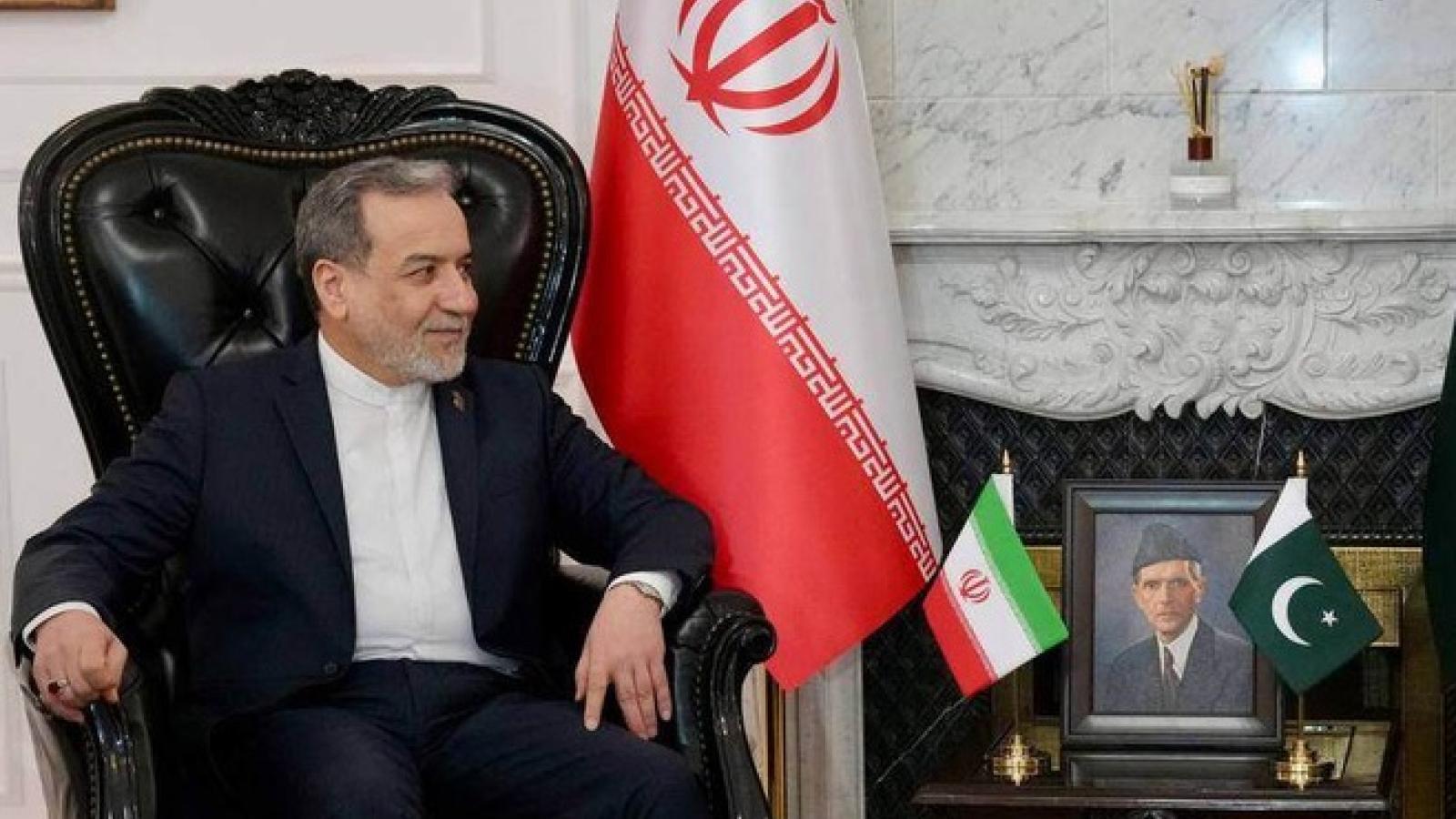
Iran has issued a clear warning to its Persian Gulf neighbors via senior diplomatic channels, stating that if the United States launches a new wave of military strikes, Tehran will retaliate against Washington’s closest allies in the region, further escalating the risks associated with any military action. This message was conveyed through formal diplomatic routes following U.S. President Trump’s recent threat to target Iran’s energy networks and infrastructure.
According to The Times of Israel on August 6, citing two senior Iranian officials, two Gulf sources, and one senior regional diplomat familiar with the discussions, this warning has been formally communicated. Trump had initially planned what he described as the “largest military operation since World War II,” but later canceled it in hopes of reaching an agreement on Iran’s nuclear program and reopening the Strait of Hormuz.
Iranian officials have warned that any damage inflicted on Iran will be met with double retaliation. The Strait of Hormuz is a critical waterway through which approximately one-fifth of the world’s oil shipments pass, but commercial shipping has largely halted recently due to Iran’s attacks on merchant vessels.
Five sources told The Times of Israel that Iranian Foreign Minister Abbas Araqchi held separate phone calls with the foreign ministers of Saudi Arabia, Turkey, and Qatar, as well as Pakistan’s army chief of staff.
The senior diplomat said Araqchi urged regional allies of Washington to use their influence over Trump to prevent another attack, warning that any strike against Iran would trigger retaliatory actions targeting U.S. assets and energy facilities across the Gulf. The diplomat noted that Araqchi delivered the same consistent message in each conversation: “We are prepared for retaliation, but seeking a diplomatic solution is the best way to avoid full-scale regional escalation and destruction.”
A Gulf source told The Times of Israel: “Iran’s warning is unambiguous: if the U.S. targets Iranian infrastructure, they will retaliate by striking energy facilities and other regional targets across the Gulf.” An Iranian official further clarified that Tehran’s warning makes it clear that any new U.S. strike will be answered with attacks on energy facilities, refineries, power grids, water infrastructure, transportation networks, and oil fields throughout the Gulf region.
The official added: “The enemy continues to threaten Iranian infrastructure. If Iran suffers damage, it will respond with even greater damage.” He also stated: “They still remember Saudi Arabia’s Aramco.” This refers to the September 2019 drone and missile attacks on the Abqaiq and Khurais facilities, which temporarily halted more than half of Saudi Arabia’s crude oil production, exposing the vulnerability of Gulf energy infrastructure.
This diplomatic effort indicates that Iran is attempting to use the threat of broader regional conflict as leverage to deter further U.S. military action, while placing Gulf nations—hosting U.S. military bases yet dependent on energy exports—in a difficult position between Washington and Tehran.
Meanwhile, Tasnim News Agency, affiliated with Iran’s Islamic Revolutionary Guard Corps, reported on August 5 that U.S. intervention and Trump’s threats are the main reasons behind the delayed agreement between Iran and Oman regarding the Strait of Hormuz. A source told the IRGC-linked media: “As long as U.S. intervention and military threats against Iran continue, the agreement will remain delayed.” The source emphasized that Iran will not sign any agreement under military pressure.
Iran-Oman Talks: Establishing a New 'Middle Corridor' in the Strait of Hormuz
Iran’s Foreign Ministry spokesperson Esmail Baghaei stated that negotiations with Oman focus on establishing safe shipping routes while safeguarding both countries’ sovereignty rights and security interests. Sources familiar with the talks told Tasnim that the proposed arrangement would allow Iran to monitor inbound maritime traffic passing through Iranian-controlled waterways, while maintaining visibility over outbound traffic. Iran would also retain the right to intervene when necessary to protect security and navigation.
According to the framework reported, vessels leaving the Persian Gulf would transit through jointly managed waterways with Oman, with final departure clearance issued by Omani authorities after notifying Tehran. Other reports indicate that the negotiations also include plans to establish a new 'middle corridor' in the Strait of Hormuz to replace the current northern and southern shipping lanes. This mechanism would also incorporate fees for safety and environmental services and is linked to the lifting of U.S. restrictions on Iranian ports.
FACT BOX
- Source: PR Times
- Category: News