The rapid advancement of AI and high-performance computing (HPC) is not only driving chip demand but also amplifying electricity consumption and carbon reduction pressures across the semiconductor industry. TECO Electric (1504) today announced the completion of a Corporate Power Purchase Agreement (CPPA) with a key semiconductor company, with a projected transfer capacity exceeding 30MW and a total contracted supply surpassing 300 million kWh of green power, set to commence power delivery by the end of 2026. This large-scale, long-term green power agreement signifies TECO’s strategic move beyond electromechanical equipment and engineering construction into the green power trading market, which promises sustained electricity sales revenue.
TECO stated that the agreement adopts a long-term power supply framework, gradually entering a stable transfer phase after power delivery begins, potentially boosting the company’s medium- to long-term revenues and establishing a predictable cash flow source from electricity sales. Unlike one-time income from equipment sales or engineering projects, corporate PPAs offer TECO the opportunity to build a more sustainable revenue model for its energy business.
However, TECO did not disclose the name of the collaborating semiconductor manufacturer, contract duration, electricity pricing, or total financial value, only noting that the partner is a key member of the international supply chain with high standards for renewable energy usage ratios, energy source transparency, and management clarity.
AI Computing Expansion Drives Rising Electricity Demand and Decarbonization Pressure
The rapid expansion of generative AI and HPC applications is increasing demand for advanced chips, memory, and related semiconductor production capacity, causing electricity consumption in high-tech manufacturing to rise accordingly. At the same time, international brand customers and supply chains continue to raise their expectations for renewable energy adoption and carbon reduction, requiring semiconductor fabs—not only to secure production capacity—but also to obtain long-term, stable, and traceable green power sources.
Under this trend, large tech companies’ green power procurement is no longer just about fulfilling sustainability commitments; it is increasingly becoming a factor in maintaining competitiveness within the global supply chain. Especially given the high demands for power stability in semiconductor manufacturing processes, enterprises must consider not only total supply volume but also power source diversification, supply reliability, and energy management transparency when procuring green power.
This green power long-term agreement secured by TECO involves a transfer capacity exceeding 30MW and a total supply of over 300 million kWh during the contract period. TECO noted that this deal holds symbolic significance, reflecting both the growing demand for large-scale green power in the semiconductor sector and the fact that the company’s recently promoted energy integration services have now entered the actual electricity sales stage.
Multiple Power Plants Combined for Transfer, Enhancing Dispatch Flexibility
To reduce supply fluctuations that could arise from reliance on a single green power source, TECO will conduct transfers through a combination of multiple power plants and optimized end-user configurations, thereby diversifying generation sources and improving overall power supply stability and dispatch flexibility.
TECO stated: 'By combining multiple power plants and configuring end-user loads for transfer, we not only enhance supply stability but also strengthen overall dispatch flexibility, helping meet large consumers’ needs for diversified green power sources and reliable supply.'
According to plans, power delivery is expected to begin by the end of 2026, with gradual expansion and stabilization of transfers thereafter. As the contract follows a long-term power supply structure, once electricity sales reach a stable phase, it is expected to improve the predictability of TECO’s energy business revenues and serve as a steady cash flow supporting long-term operations.
In addition to this semiconductor client, TECO revealed it is currently negotiating green power procurement collaborations with several other semiconductor and high-tech manufacturers, with potential demand continuing to accumulate. If the multi-plant combination and transfer model demonstrated in this case can be replicated for other large consumers, it will help expand TECO’s electricity sales scale.
From Electromechanical Equipment to Power Sales: Next Step is Virtual Power Plant (VPP)
In recent years, TECO has actively expanded its business scope from traditional electromechanical equipment and engineering construction to solar power, energy storage, and smart energy management systems, offering services such as power plant asset management, green power procurement, electricity usage optimization, and energy dispatch.
On the supply side, TECO will continue expanding tradable green power volumes by building its own plants and integrating external power resources; on the demand side, it targets semiconductor firms, high-tech manufacturers, and other large power consumers, aiming to establish a stable electricity sales scale through long-term corporate PPAs.
TECO stated it will further develop virtual power plants (VPPs) and diversified power trading models, integrating distributed generation, energy storage, and demand-side resources to gradually build a one-stop energy platform encompassing equipment supply, engineering, asset management, energy dispatch, and power sales services. Securing this large-scale, long-term green power agreement with a semiconductor plant marks a crucial step for TECO in transitioning from an energy equipment and engineering service provider to a power trading and energy integration platform.
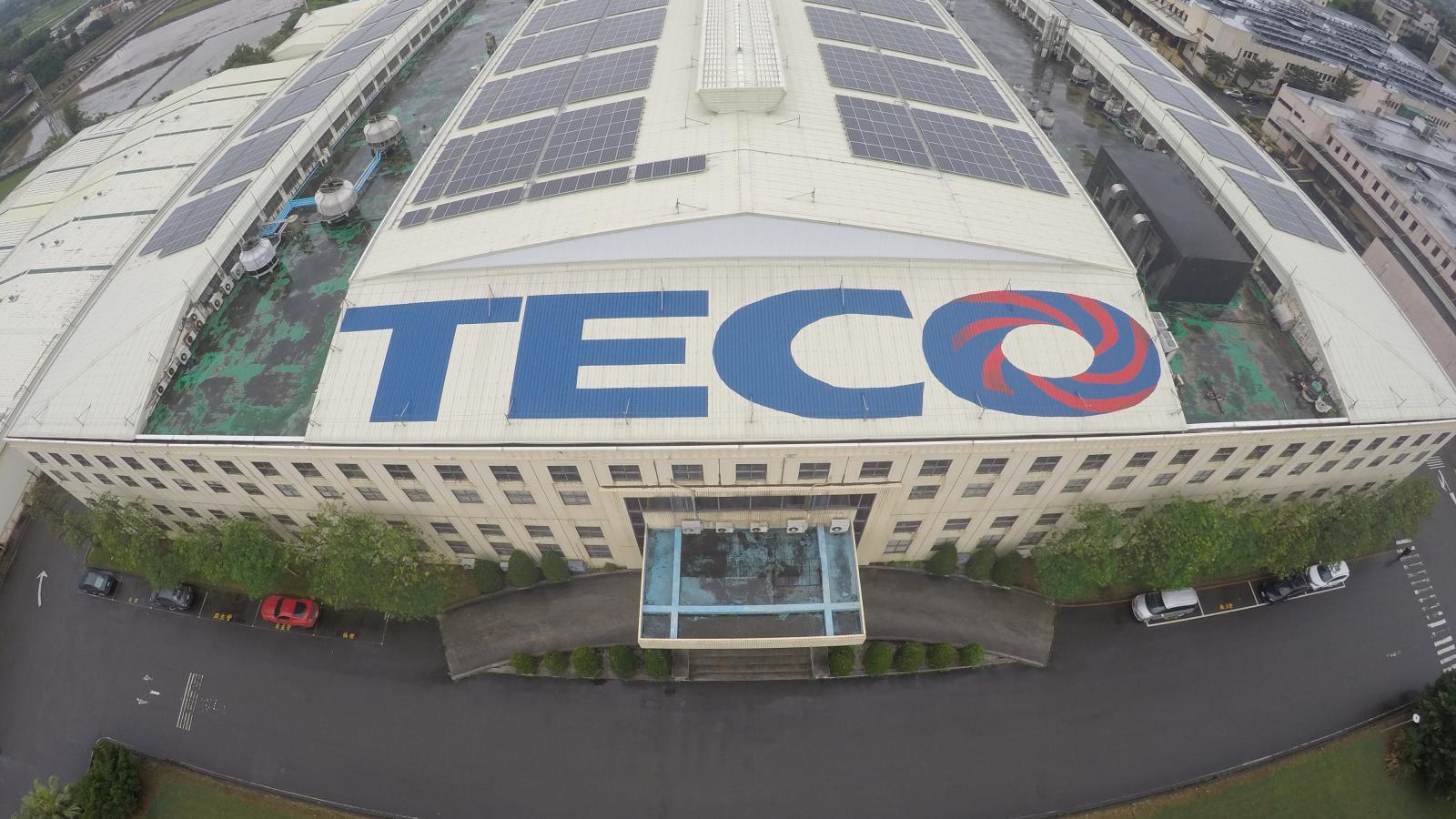
Solar power generation at TECO’s Guanyin plant. (Provided by TECO)
FACT BOX
- Source: PR Times
- Category: Partnership