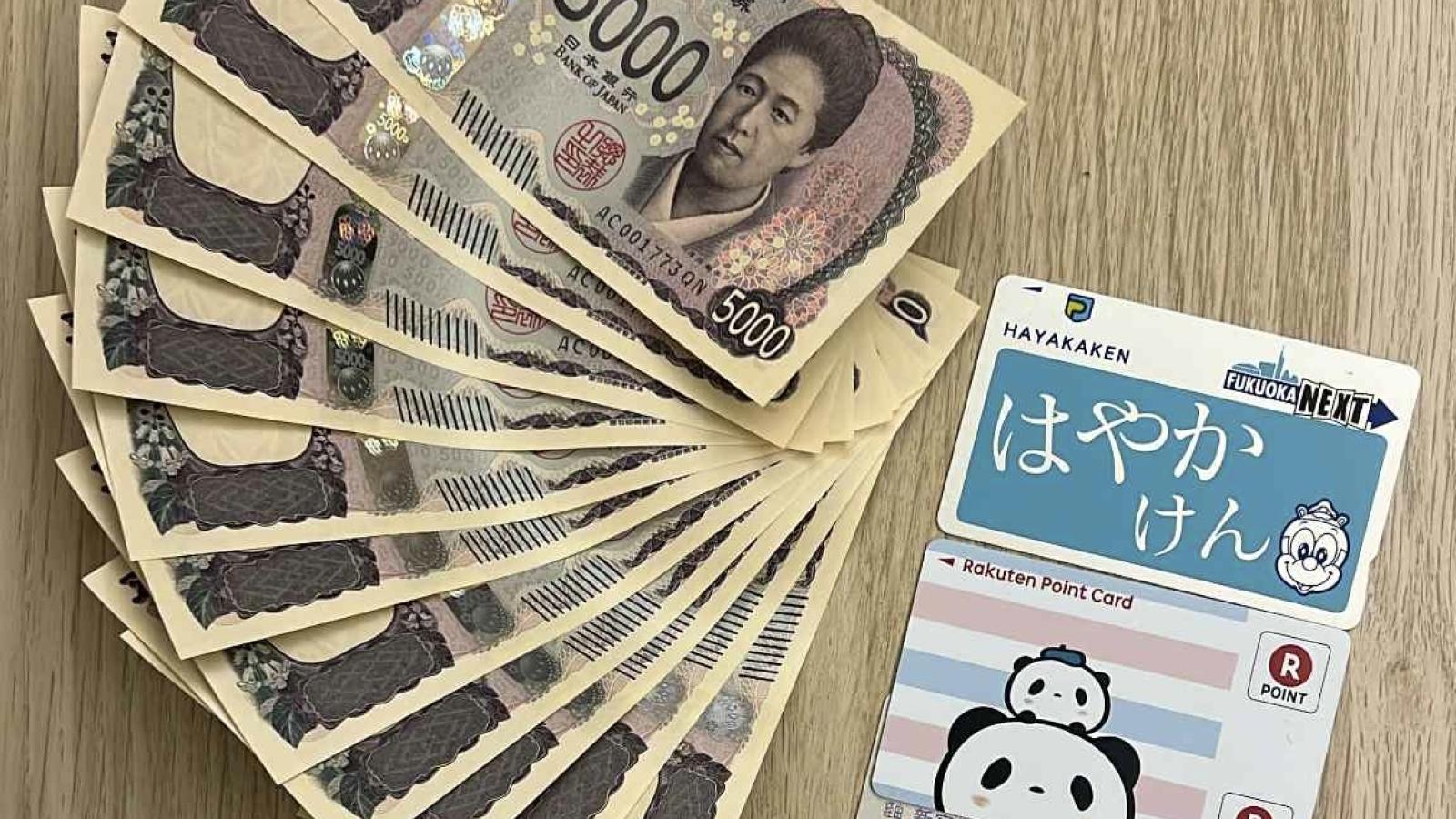
Recent movements in the Japanese yen have once again drawn intense global financial attention. In late July, the USD/JPY exchange rate briefly breached the 163–164 range, marking its weakest level since 1986. Subsequently, following coordinated intervention by the US and Japan, coupled with diminishing expectations of year-end rate hikes by the US Federal Open Market Committee (FOMC), the yen surged sharply from 164 to around 157. On August 3, after official confirmation of the joint action by both governments, early trading continued pushing toward the 155 level, raising market speculation over whether this move could truly reverse the yen’s prolonged depreciation and set it on a medium- to long-term appreciation path.
The persistent US-Japan interest rate differential continues to fuel carry trades. The Bank of Japan (BoJ) first cut its policy rate to near zero in 1999 and entered an era of quantitative easing in 2001. It has maintained zero or negative interest rates for over two decades, only beginning a gradual exit in 2024. On June 16, 2026, the BoJ raised its policy rate from 0.75% to 1.0%, aiming to support the yen through monetary tightening. Nevertheless, carry trades remain attractive: investors borrow low-yielding yen, convert them into higher-yielding currencies like the US dollar, and invest abroad—further weakening the yen.
The US Federal Reserve began aggressive rate hikes in 2022 and initiated cuts in September 2024, albeit intermittently, maintaining rates in a 3.50%–3.75% range. Despite Japan’s June rate hike lifting its policy rate to 1%, the interest rate gap remains above 2 percentage points. With major global equity markets at elevated levels, trading has become more challenging. Yet, international speculative funds from Wall Street and London view this persistent yield spread as a profitable opportunity. Using high leverage, they amplify market volatility by selling yen and buying dollars for profit. Domestic Japanese capital is being drained into higher-interest markets like the US. As a result, despite brief rebounds, USD/JPY quickly approached 160 again, demonstrating that isolated rate hikes cannot overcome long-term depreciation trends.
Japan’s ultra-low interest rates stem from deep structural constraints. The late-July USD/JPY level near 164 reflects not just technical fluctuations from carry trades but also Japan’s underlying economic fragility. The core driver of yen depreciation is the US-Japan interest rate gap, rooted in Japan’s chronic fiscal deficits and aging population pressures. Government debt exceeds 260% of GDP, driven by rising healthcare and pension expenditures, forcing reliance on borrowing to sustain social safety nets. Meanwhile, stagnant economic growth limits tax revenues, while public works and subsidies have become political norms, exacerbating deficit accumulation. The BoJ’s prolonged ultra-loose policy reduces financing costs but removes urgency for fiscal consolidation, creating a vicious cycle of debt dependency.
This massive debt burden makes Japan extremely cautious about raising rates, as higher interest would directly increase government borrowing costs. Additionally, Japan’s heavy reliance on energy imports means yen depreciation raises oil and natural gas prices, intensifying inflationary pressure. While official inflation data shows rates between 2% and 3%, households and businesses already feel the strain of rising import costs. Thus, yen weakness is not merely a currency issue but a concentrated reflection of Japan’s structural contradictions: constrained monetary policy due to debt, vulnerability to external shocks via energy dependence, and stalled fiscal reform undermining market confidence.
Against this backdrop, the US and Japan conducted a rare joint intervention on July 31—the first such cross-border coordination in over a decade. Why did they act together? Their strategic interests align closely. For the US, Japan is the largest foreign holder of US Treasury securities, owning over $1.1 trillion. If yen depreciation persists, Japanese institutions might be forced to sell Treasuries to obtain dollar liquidity, driving up yields, increasing US funding costs, and potentially triggering bond market panic. For Japan, soaring import costs for energy and food are placing immense pressure on firms and households, necessitating exchange rate stability to prevent social unrest and economic deterioration.
The technical mechanism used in this intervention is also noteworthy. The US leveraged the Federal Reserve’s Foreign and International Monetary Authorities (FIMA) Repo Facility, allowing Japan to pledge US Treasuries as collateral to access dollar liquidity without direct sales. This was not just a financial maneuver but a strategic demonstration of alliance solidarity: the US provided an institutional tool enabling Japan to secure dollars without destabilizing the Treasury market. Post-intervention, the yen rebounded to the 155–157 range, showing “short-term effectiveness.” Speculators temporarily retreated, and exchange rate volatility was contained. This action served both as financial self-preservation and a symbol of geopolitical cooperation, highlighting the US-Japan alliance’s coordination capacity in financial domains.
However, the spillover effects of the intervention cannot be ignored. The yen’s sharp swings triggered widespread deleveraging of carry trades, forcing investors to unwind positions and withdraw capital from US equities, Treasuries, and even cryptocurrency markets—causing global liquidity shocks. Such “deleveraging effects” often trigger chain reactions in financial markets, potentially leading to synchronized asset price declines in the short term.
Regional currency linkages were also evident. Before the intervention, the South Korean won weakened to 1,450, and the Chinese yuan neared 7.3, indicating broad pressure across Asian currencies. This shows that yen volatility affects regional capital flows beyond Japan. While the US-Japan intervention temporarily stabilized the yen, it exposed structural vulnerabilities in Asian financial markets. East Asian currencies heavily depend on dollar liquidity; foreign capital outflows pose contagion risks, and lack of multinational policy coordination leaves regional currencies highly susceptible to a strong dollar. Even if speculators retreat due to policy deterrence, structural risks persist. Japan’s unresolved debt and energy dependency mean that renewed yen pressure could reignite carry trades and trigger inevitable financial instability.
Thus, while the intervention’s effect was “short-term significant,” its “long-term impact is limited.” FX operations can temporarily suppress speculation but cannot cure Japan’s structural ailments. Without further rate hikes by the BoJ or fiscal reforms by the government, the fundamental contradictions behind yen weakness will endure.
Looking ahead, the yen’s trajectory and challenges to US-Japan coordination remain severe. If the BoJ maintains rates at 1%, the over 2.5-percentage-point gap with the US will keep the yen from sustaining strength. Whether US-Japan cooperation can evolve into a “global financial firewall” model is another key question. Since the 1985 Plaza Accord, major currency interventions have followed three phases: 1) immediate market entry to establish credibility; 2) intensive operations during dollar rebounds; 3) sustained yen appreciation after Japan raises short-term rates, reducing the need for direct US intervention. Currently, the US-Japan joint effort is only entering Phase One. With US Treasury Secretary Bessent advocating expansion of the FIMA facility, preparations for repeated interventions appear underway. Moreover, last week’s unchanged BoJ rate decision came with strong hints of a year-end hike—laying groundwork for medium-term yen appreciation.
While this intervention showcased the potential for cross-border monetary coordination and successfully curbed short-term volatility and deterred speculators, avoiding a Treasury market panic, true market confidence stems from stable institutions and policies—not one-off actions. Without resolving Japan’s structural issues, long-term effectiveness will remain limited. Therefore, this intervention serves as both financial pain relief and a policy warning: Japan must confront its fiscal and energy dependencies, and the US must recognize its bond market fragility. Only through structural reforms and international coordination can the global financial risks posed by yen weakness be truly mitigated.
*The author is an honorary professor at National Taiwan University’s Department of Economics.
FACT BOX
- Source: PR Times
- Category: News